2026 Best Steel Products Why Is Recycling Good for Steel?

Time:2026-11-06 Author:Charlotte
0%

Why is recycling good for steel products? The answer begins with a practical advantage: steel can be recycled repeatedly while retaining many of its useful properties. Scrap from a dismantled warehouse, an old bridge, or a dented appliance can become part of new steel products. Edwin Basson, Director General of the World Steel Association, has described steel as “the most recycled material in the world.”

That matters. Using recovered steel can reduce demand for newly mined raw materials and lower energy use compared with production routes based heavily on virgin inputs. The actual savings depend on the steelmaking process, the electricity source, and the quality of the scrap. A clean pile of sorted steel is easier to reuse than mixed scrap contaminated with coatings or other materials.

For buyers comparing the best steel products in 2026, recyclability is a useful factor, but it is not the whole story. Product life, repair needs, manufacturing details, and local recycling access also affect its real-world impact. Recycling is not magic. A steel product still takes resources to make, transport, and process, and not every item is recovered efficiently. That caveat is easy to overlook. Understanding the full cycle helps manufacturers and customers make more informed choices, rather than treating “recyclable” as a complete environmental score.
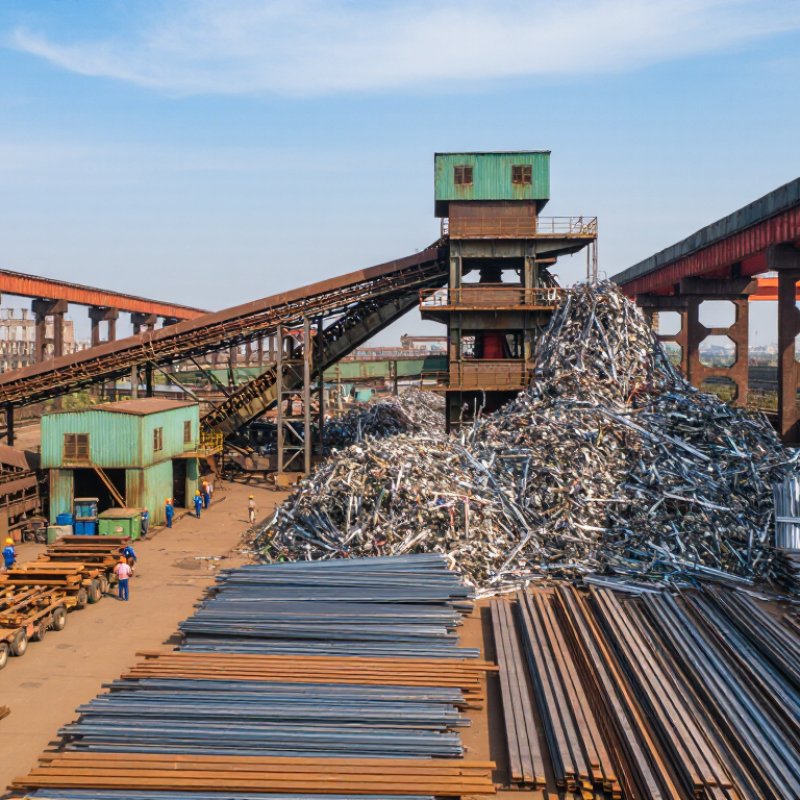
2026 Best Steel Products Why Is Recycling Good for Steel?

What Steel Recycling Means and Why It Matters

Steel recycling means recovering discarded steel, separating it from other materials, and melting it into new products. A crushed food can, a dismantled warehouse beam, and an old machine may all become useful feedstock. Steel can be recycled repeatedly without losing its essential properties, according to the World Steel Association. The process also helps conserve raw materials. Its estimates suggest that recycling one tonne of steel can save around 1.4 tonnes of iron ore and 740 kilograms of coal. That is a meaningful difference.

But scrap is not magic. Mixed alloys, paint, and other contaminants can complicate sorting, while melting still requires energy. The International Energy Agency’s Iron and Steel Technology Roadmap notes that greater use of scrap can reduce steelmaking emissions, but the benefit depends partly on production methods and electricity sources. Electric-arc furnaces, which often use high levels of scrap, are one route; the actual footprint varies by facility. Details matter.

For a demolition crew, recycling begins before the furnace: separating steel beams from concrete and keeping material streams clean. For households, it may be as simple as placing an empty steel can in the correct collection bin. Not every item is recovered, and local systems differ. That gap deserves attention. Better collection and sorting can help turn more discarded steel into dependable material for buildings, vehicles, and everyday goods.

How Steel Is Collected, Sorted, and Reprocessed

Steel recycling begins long before a furnace is switched on. Scrap may come from old building beams, household appliances, food cans, or clean offcuts from workshops. Collection crews keep these materials separate where practical, then send them to a sorting facility. A magnet can quickly lift many steel items from mixed waste. Useful, but not enough. Stainless steel and coated products may need additional checks, because their composition affects how they can be reused.

At the facility, workers and machines remove obvious contaminants, such as plastic, glass, and trapped liquids. Scrap is then cut, crushed, or shredded into manageable pieces. Sensors and manual inspection can help distinguish grades and remove unwanted metals. Small errors matter. A mixed load can change the chemistry of a melt, so processors may sample material before it enters a furnace. The steel is melted, refined to meet a chosen specification, and cast into forms for manufacturing. Careful control helps recycled steel retain the properties needed for its next use.

Recycling can reduce demand for newly mined raw materials, though the exact benefit depends on the scrap quality and production method. It also keeps valuable metal in circulation instead of sending it to disposal. The process is not perfectly simple: coatings, mixed alloys, and incomplete sorting can limit what a batch becomes. Better collection and accurate grading make the next round more reliable.

2026 Best Steel Products: Why Is Recycling Good for Steel? — How Steel Is Collected, Sorted, and Reprocessed
Stage What Happens Common Methods or Equipment Why It Matters
Collection Steel products are recovered from sources such as end-of-life vehicles, appliances, construction projects, packaging, and manufacturing offcuts. Collection bins, demolition recovery, vehicle dismantling, and industrial scrap programs Collecting scrap keeps usable steel out of disposal streams and supplies material for steelmaking.
Initial preparation Large items may be dismantled, cut, or compacted to make transport and processing more manageable. Shears, balers, shredders, and material handlers Preparation reduces the size of bulky scrap and helps improve handling and sorting efficiency.
Sorting Steel is separated from other materials and may be divided into grades according to its composition, size, and condition. Magnetic separators, screens, sensors, and manual inspection Steel is magnetic, which allows magnets to separate much of it from non-ferrous materials such as aluminum and from non-metallic waste.
Cleaning and quality control Contaminants and unwanted attachments are reduced, and scrap is checked for suitability for a particular steelmaking process. Sorting lines, visual checks, and scrap preparation equipment Cleaner, more consistent scrap helps control the composition and quality of the resulting steel.
Melting Prepared scrap is melted in a furnace. Electric arc furnaces commonly use scrap as a major feedstock; basic oxygen furnaces can also use scrap alongside molten iron. Electric arc furnace or basic oxygen furnace Recycling steel reduces the need for virgin iron-bearing materials. The actual energy use and emissions depend on the furnace, electricity supply, and production route.
Refining and alloy adjustment The molten metal is refined and adjusted to meet the required chemistry and performance specifications. Steelmaking chemistry controls and addition of alloying materials when required Careful control allows recycled feedstock to be used in many steel grades while meeting product requirements.
Casting and forming Liquid steel is cast into semi-finished shapes, then rolled or otherwise formed into products such as sheet, bar, plate, and sections. Continuous casting and rolling processes Processing turns recovered material into steel products for construction, transport, machinery, packaging, and other uses.
Reuse and repeated recycling Steel products can be recovered and recycled again when they reach the end of their service life, subject to collection and processing. Established scrap collection and steelmaking systems Steel can be recycled repeatedly without losing its fundamental material properties, although collection, sorting, and process control remain important.

How Recycling Steel Conserves Resources and Energy

Steel recycling conserves raw materials by returning used metal to production instead of relying entirely on newly mined iron ore. A discarded beam, food can, or factory offcut can become useful feedstock after collection, sorting, and preparation. The loop is practical. It is not magic.

Steel made with a high share of scrap generally needs much less energy than steel made from ore in a blast furnace. In an electric arc furnace, electricity melts scrap directly, avoiding several energy-intensive steps used to reduce ore. Exact savings vary with the furnace, power source, scrap quality, and product requirements; not every plant has the same results. Using less virgin ore can also reduce mining pressure and the fuel needed to transport raw materials. A truckload of sorted scrap represents material already extracted and shaped once.

Good recycling depends on careful sorting. Mixed alloys or trapped contaminants can affect the chemistry and strength of a new batch, so mills test incoming scrap and adjust the melt. Coatings, rust, and dirt may need removal or treatment. Recycling still uses energy, and electricity is not automatically low-carbon. That detail is easy to overlook. Better collection systems and cleaner power make resource savings more meaningful, while designers can choose steel parts that are easier to separate at the end of their useful life.

Why Is Recycling Good for Steel?

How recycling steel conserves resources and energy

Recycling one tonne of steel can save approximately 1,400 kg of iron ore, 740 kg of coal, and 120 kg of limestone. Using recycled steel also generally requires less energy than producing steel from virgin raw materials; actual savings vary by production route.

Material savings: approximate figures reported by the World Steel Association.

Environmental Benefits of Using Recycled Steel

Environmental Benefits of Using Recycled Steel

Steel can be recycled repeatedly without losing its essential properties, according to the World Steel Association’s steel recyclability guidance. That matters. Recycled content helps reduce demand for newly mined iron ore, coal, and limestone.

The Steel Recycling Institute estimates that recycling one ton of steel conserves about 2,500 pounds of iron ore, 1,400 pounds of coal, and 120 pounds of limestone.

Picture those materials not being extracted, crushed, and hauled for that ton of production. The savings are tangible, though actual results vary with the steelmaking process and energy supply.

Recycling also keeps useful material circulating instead of sending it to disposal. A recovered steel beam, appliance panel, or food can may become part of another product after sorting and processing.

Still, recycled steel is not impact-free. Collection, transport, and furnace operations use energy, and mixed or poorly sorted scrap can complicate production. This caveat matters.

For buyers comparing steel products, asking about recycled content and production data is more informative than assuming every recycled item has the same footprint. The environmental gain is strongest when scrap is recovered reliably and used in efficient production.

How Recycled Steel Supports Durable Products and Industry

Steel’s durability matters in bridge beams, warehouse frames, farm equipment, and everyday tools. Recycled steel can be made into new products while retaining the material’s useful strength. This helps manufacturers use recovered metal and reduce demand for newly extracted raw materials. A steel beam may serve for decades, then enter a scrap stream instead of being discarded. Recycling does not make every product impact-free, though. Collection, sorting, and processing still require energy.

Tips: Keep steel scrap separate from other materials when practical. Clean, clearly sorted scrap is easier to process. Ask suppliers about recycled content and material specifications, especially when strength or wear resistance matters. Small details count.

Recycling also supports industrial supply by returning usable material to production. That can help conserve resources and make better use of existing steel. Still, recycled feedstock can vary in composition, so mills must test and manage it carefully. This step is less visible than a finished product, but it matters. Recycling is valuable, not magical; durable design and responsible processing remain essential.

FAQS

What does steel recycling involve?

It means collecting discarded steel, separating it from other materials, and melting it into new products. A food can or warehouse beam can become useful feedstock.

Can steel be recycled more than once?

Yes. Steel can be recycled repeatedly without losing its essential properties. The loop is practical, not perfect.

How much raw material can recycling save?

Recycling one tonne of steel can save about 1.4 tonnes of iron ore and 740 kilograms of coal. Actual results can vary.

Does recycled steel use less energy?

Steel made with lots of scrap generally needs less energy than steel made from ore. Furnace type, electricity source, and scrap quality matter.

What is an electric-arc furnace?

It uses electricity to melt scrap directly. This can avoid several energy-intensive steps used to turn iron ore into steel.

Why does scrap need careful sorting?

Mixed alloys, paint, dirt, and other contaminants can affect a new batch’s chemistry and strength. Mills may test and adjust the melt. Details matter.

What can households do to recycle steel?

Place empty steel cans in the correct collection bin. Local systems differ, and not every item is recovered.

Does recycling steel eliminate its environmental impact?

No. Melting still uses energy, and electricity is not always low-carbon. Recycling helps, but it is not the whole story.

Conclusion

Steel recycling transforms used products, manufacturing scraps, and other steel items into material that can be made into new products. The process typically involves collecting steel, separating it from other materials, sorting it by type, and preparing it for reprocessing. Because steel can be recycled repeatedly while retaining many of its useful properties, it helps conserve raw materials and reduce the energy needed compared with producing steel entirely from newly extracted resources.

Why is recycling good for steel products? It can reduce waste, support more efficient use of resources, and help lower the environmental impact of steel production. Recycled steel also contributes to durable products used across many industries, from construction to equipment manufacturing. By keeping useful material in circulation, recycling supports reliable products and a more resource-conscious approach to industry.

Charlotte

Charlotte

Charlotte is a seasoned marketing professional with a deep understanding of the company's portfolio and a passion for elevating its presence in the market. With a keen eye for detail and a commitment to excellence, she ensures that our professional blog is regularly updated with insightful articles......