How to Choose Durable Steel Products for Global Buyers?

Time:2026-09-14 Author:Sienna
0%

Choosing durable steel products for global buyers requires more than comparing prices and catalog photographs. Steel may look identical on a screen, yet perform very differently after welding, transport, or years of exposure. What makes steel products durable is a combination of chemical composition, mechanical strength, manufacturing control, surface protection, and suitable application design.

Experienced buyers examine mill test certificates, heat numbers, inspection reports, and traceability records. They also verify yield strength, tensile strength, elongation, impact performance, and dimensional tolerance. For outdoor projects, coating thickness and corrosion resistance deserve equal attention. A galvanized beam with uneven coverage may fail earlier near cut edges, bolt holes, or coastal joints. Small details matter.

Supplier capability matters too. Reliable manufacturers explain their testing methods and provide consistent documentation. Independent inspections can confirm product dimensions, surface condition, packing quality, and loading practices. Samples should be evaluated under realistic conditions, not only in a showroom. Ask how the steel performs after welding, repeated stress, moisture, and temperature changes. Real projects often reveal weaknesses that laboratory data does not fully show.

No checklist is perfect. Buyers can still overlook storage conditions or incompatible fasteners. That is why technical review should involve engineers, inspectors, and experienced procurement teams. Regional standards also vary, so certificates must match the destination market and project specification. A durable purchase is not simply the strongest steel available. It is the right steel, produced consistently, documented clearly, and supported by a supplier willing to answer difficult questions. That standard may seem demanding. It is usually cheaper than replacing failed material.
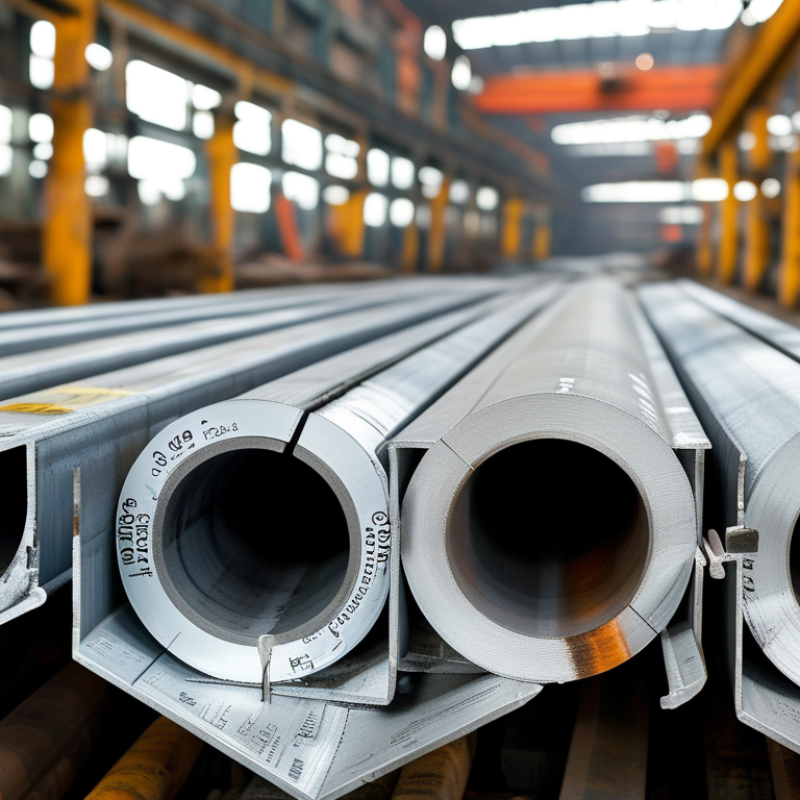
How to Choose Durable Steel Products for Global Buyers?

Define Load Requirements Using Yield Strength, Tensile Strength, and Toughness Data

How to Choose Durable Steel Products for Global Buyers?

Define Load Requirements Using Yield Strength, Tensile Strength, and Toughness Data

Durability begins with the real load, not the product label. Record static weight, impact forces, vibration, temperature, and loading frequency. A 100 kN force on a 400 mm² section creates 250 MPa of stress. Compare this value with the steel’s yield strength, then apply the safety factor required by the project standard. Yield strength shows when permanent deformation may begin. Tensile strength indicates the maximum stress before necking and fracture. Neither value alone proves reliable service performance.

Toughness matters when loads arrive suddenly or temperatures fall. It measures how much energy steel can absorb before fracturing, often through a Charpy impact test. A component that performs well in a warm warehouse may behave differently in winter transport or offshore conditions. Check the test temperature, specimen direction, thickness, and applicable standard. Small details matter. Ask for traceable mill test reports, heat numbers, and independent inspection when the risk justifies the cost.

Do not confuse higher strength with better durability. High-strength steel can reduce weight, but welding, forming, and crack sensitivity may require stricter controls. I have seen buyers select a higher tensile grade while overlooking low-temperature toughness. The spreadsheet looked convincing. The decision was incomplete. Recalculate loads for real supports, holes, welds, and corrosion allowance. If service conditions remain uncertain, request conservative assumptions and document every gap before approval.

Match Steel Grades with ASTM, EN, and ISO Standards for Global Compliance

How to Choose Durable Steel Products for Global Buyers?

Durable steel selection begins with the required service condition, not a familiar grade number. Consider load, temperature, corrosion, welding, and expected maintenance. A structural plate may meet ASTM requirements but fail an EN-based project specification. The names can look similar. The chemistry may still differ.

Match each grade through verified standards and current technical documents. ASTM standards often define chemistry, strength, testing, and product form. EN standards may add impact classes, delivery conditions, and detailed tolerances. ISO standards support consistent testing, quality systems, and international communication. They do not automatically make two grades equivalent. Always compare yield strength, tensile strength, elongation, impact energy, carbon equivalent, and thickness range.

Request a material test certificate with heat number, standard edition, test results, and product dimensions. Check that the certificate matches the markings on every bundle or plate. Independent inspection can verify sampling, ultrasonic testing, hardness, and surface condition. This step matters when cargo crosses several borders. A reliable supplier should explain deviations clearly, not hide them behind a broad “equivalent” claim.

I have seen buyers focus on price and overlook delivery condition. That choice can create welding problems later. No cross-reference table is perfect. Ask an engineer to approve substitutions, especially for pressure, lifting, or seismic applications. Keep the purchase order precise, including standard, grade, thickness, tolerance, inspection level, and required documents. Small wording gaps can become expensive disputes.

Assess Corrosion Risk Through ISO 9223 Exposure Categories and Coating Data

Durable steel selection begins with the atmosphere, not the catalog. ISO 9223 classifies atmospheric corrosivity from C1, very low, to CX, extreme. These categories reflect moisture, pollution, and time of wetness. Coastal air bites. An indoor warehouse may still reach C3 when condensation remains frequent. Global buyers should request the site category, design life, and exposure assumptions in writing. Do not treat a climate label as a guarantee.

Coating data must match the exposure. Ask for coating type, dry-film thickness, surface preparation, edge treatment, and adhesion results. Useful records identify test standards, specimen thickness, curing conditions, and batch traceability. Salt-spray hours can support comparison, but they do not reproduce every outdoor environment. That detail is often missed. ISO 9223 category and coating thickness should be read together, not separately. Thin coverage on cut edges can undermine an otherwise strong system. Look for scribe creep, blistering, rust ratings, and inspection frequency.

During supplier reviews, compare measured values with the declared environment. A coating that passes a laboratory test may fail after poor handling or damaged transport. Small scratches matter. Photographing edges, welds, holes, and fasteners creates useful evidence before shipment. Some specifications sound precise, yet omit repair procedures. That omission deserves a question. Require touch-up materials and a documented acceptance threshold before approval. Recheck exposed samples when the project climate differs from the original test conditions.

How to Choose Durable Steel Products for Global Buyers? - Assess Corrosion Risk Through ISO 9223 Exposure Categories and Coating Data
ISO 9223 Category Corrosivity Level Typical Atmospheric Exposure First-Year Carbon Steel Corrosion Rate
(g/m²·year)
First-Year Zinc Corrosion Rate
(g/m²·year)
Typical Buyer Risk Indicators Suggested Coating Strategy Indicative Coating Data for Initial Screening
C1 Very Low Clean, dry indoor environments such as heated offices, retail areas and low-humidity storage rooms. ≤ 10 ≤ 0.7 Low humidity, no persistent condensation and no significant chemical or salt contamination. Cleaned carbon steel with a basic indoor protective paint system or a light anti-corrosion treatment. Typical total dry film thickness (DFT): approximately 60–100 μm for indoor service. Coating continuity and surface cleanliness remain important.
C2 Low Rural outdoor areas, unheated buildings, warehouses and spaces with occasional condensation. > 10 to 200 > 0.7 to 5 Seasonal wetting, intermittent condensation, dust deposits and limited atmospheric pollution. Organic paint system suitable for low-corrosivity outdoor exposure, or hot-dip galvanizing for frequently handled components. Paint DFT often screened around 80–120 μm. Hot-dip galvanized zinc thickness commonly ranges from about 45–100 μm depending on steel thickness.
C3 Medium Urban atmospheres, moderate industrial areas and coastal locations with low salinity. > 200 to 400 > 5 to 15 Regular wetting, urban pollutants, moderate humidity and possible chloride deposits near the coast. Multi-layer protective paint system or hot-dip galvanized steel with sealed cut edges and appropriate drainage design. Initial paint-system screening: approximately 120–200 μm total DFT. For galvanized steel, verify coating mass or thickness against the applicable product standard.
C4 High Industrial areas, humid urban environments and coastal locations with moderate salinity. > 400 to 650 > 15 to 30 Frequent condensation, industrial pollutants, airborne chlorides and long wetness periods. Robust multi-coat system, preferably with a zinc-rich primer and compatible intermediate and top coats; duplex protection may be preferred for exposed steel. Initial total paint DFT screening: approximately 180–260 μm. Inspect welds, edges, fasteners, drainage points and damaged areas separately.
C5 Very High High-humidity industrial atmospheres, aggressive industrial sites and coastal areas with high salinity. > 650 to 1,500 > 30 to 60 Persistent moisture, high chloride or sulfur pollution, heavy deposits and limited drying time. High-performance duplex system: hot-dip galvanized or metallized zinc base plus a compatible sealed paint system. Specify edge treatment and repair procedures. Initial duplex screening: approximately 240–320 μm combined system thickness, subject to the selected coating specification, environment and design life.
CX Extreme Offshore locations, splash or spray zones, severe industrial atmospheres and tropical or subtropical areas with very high humidity and salinity. > 1,500 to 5,500 > 60 to 180 Continuous or near-continuous wetting, severe chloride exposure, salt spray, high temperatures and difficult maintenance access. Use a project-specific high-performance system validated for the actual exposure. Duplex or thermal-spray zinc/aluminium systems with compatible high-build topcoats are commonly evaluated. Do not select by thickness alone. Require a documented coating specification, surface-preparation grade, stripe-coating requirements, holiday testing where applicable and a defined maintenance plan.
Technical note: ISO 9223 corrosivity categories classify atmospheric exposure using environmental factors and corrosion-rate data; they do not by themselves guarantee a coating service life. Final product selection should also consider surface preparation, edge geometry, weld quality, fastener compatibility, drainage, coating adhesion, local chloride or sulfur pollution, temperature, wetness duration and the required maintenance interval. Indicative coating thickness values are screening ranges rather than universal ISO requirements and should be confirmed against the selected coating system standard and project specification.

Verify Quality Using ASTM A370 Testing and EN 10204 3.1 Certificates

How to Choose Durable Steel Products for Global Buyers?

Durable steel selection starts with verifiable test evidence, not a polished sales sheet. ASTM A370 provides recognized methods for tensile, yield, elongation, bend, and hardness testing. Ask for the actual test values, specimen direction, test temperature, and standard edition used. These details affect how results should be judged. A high tensile value alone does not guarantee reliable service.

Tips: Match the certificate heat number with the marking on the plate, bar, or coil. Check dimensions, grade, delivery condition, and chemical results. Confirm that the EN 10204 3.1 certificate identifies the manufacturer’s authorized inspection representative. This certificate is issued for specific products and test results, but it is not the same as an independent inspection report. Request clarification when wording seems vague.

In practical purchasing work, traceability often reveals more than attractive packaging. Compare the heat number, batch quantity, production date, and laboratory references across documents. ASTM A370 testing should connect clearly to the supplied material. A missing test temperature or unclear sampling location deserves attention. Certificates can look complete and still contain gaps. I have learned that small inconsistencies should not be ignored, even when the steel appears flawless during visual inspection. Independent verification may be sensible for critical structures, repeated orders, or unfamiliar suppliers.

How to Choose Durable Steel Products for Global Buyers?

Verify mechanical performance using ASTM A370 testing and confirm traceability with an EN 10204 3.1 certificate.

Reference values shown are commonly specified for ASTM A36 structural steel: tensile strength of 400–550 MPa and minimum yield strength of 250 MPa. ASTM A370 defines mechanical test methods, while the applicable product standard defines acceptance limits. An EN 10204 3.1 certificate should identify the material heat, product grade, test results, and authorized inspection release.

Compare Lifecycle Value Using EPDs and Steel’s 85%+ Global Recycling Rate

Durable steel purchasing should begin with lifecycle value, not the lowest quoted price. In procurement reviews, buyers should request a product-specific Environmental Product Declaration (EPD). An EPD reports verified environmental impacts across defined lifecycle stages. Check the functional unit, declared service life, and system boundaries. Otherwise, comparisons may look precise but remain misleading.

A useful EPD comparison includes global warming potential, energy use, water consumption, and maintenance requirements. Examine stages from raw material production through manufacturing, transport, use, and end of life. A thicker section may require more material initially. Yet it could resist deformation and reduce replacement work. Corrosion protection matters too, especially near coastlines or industrial facilities. Small coating failures can become expensive after installation.

Steel also benefits from its established recovery system. More than 85% of steel is commonly reported as recycled or recovered globally, although rates differ by region and product category. Recyclability is not the same as recycled content. Ask whether the design allows easy separation, collection, and processing. Include fasteners, coatings, and mixed materials in that review. EPD data can still contain assumptions. Check the verification date and methodology. A spreadsheet is helpful, but it cannot predict every site condition. Better decisions combine verified data, realistic maintenance planning, and a cautious reading of the numbers.

FAQS

What load information should buyers collect before choosing steel?

Record static weight, impact, vibration, temperature, and loading frequency. Include real supports, holes, welds, and corrosion allowance. Labels are not enough.

How can buyers estimate stress in a steel section?

Divide force by cross-sectional area. A 100 kN force over 400 mm² creates 250 MPa of stress. Compare this value with yield strength and the required safety factor.

What do yield strength and tensile strength reveal?

Yield strength indicates when permanent deformation may begin. Tensile strength shows the maximum stress before necking and fracture. Neither value proves complete durability.

Why is toughness important in cold or impact conditions?

Toughness measures energy absorbed before fracture. Check impact-test temperature, specimen direction, thickness, and testing standard. Cold steel can behave differently.

Does higher-strength steel always provide better durability?

No. Higher strength may reduce weight, but welding, forming, and crack sensitivity can require tighter controls. A spreadsheet can look convincing. It can still miss low-temperature weakness.

How should buyers assess atmospheric corrosion risk?

Identify moisture, pollution, condensation, and time of wetness. An indoor warehouse may face moderate corrosion when condensation remains frequent. Coastal air is especially demanding.

Which coating details deserve inspection?

Request coating type, dry-film thickness, surface preparation, edge treatment, adhesion results, and batch traceability. Inspect cut edges, welds, holes, and fasteners. Small scratches matter.

How can lifecycle value improve steel purchasing decisions?

Compare verified environmental data, service life, maintenance, transport, and end-of-life recovery. Recyclable does not mean recycled content. Ask about separation and collection. Some assumptions may remain.

Conclusion

What makes steel products durable depends on more than a high strength rating. Global buyers should first define actual load requirements by reviewing yield strength, tensile strength, elongation, impact toughness, and fatigue performance. The selected grade should then be matched with relevant ASTM, EN, or ISO standards to support consistent specifications and international compliance. Corrosion exposure is equally important: ISO 9223 categories, environmental conditions, service life, and coating performance can help determine whether a product is suitable for indoor, coastal, industrial, or high-humidity applications.

Durability should also be confirmed through documented quality controls. Testing aligned with ASTM A370 and inspection certificates such as EN 10204 3.1 provide traceable evidence of chemical composition, mechanical properties, and production quality. Finally, buyers should compare lifecycle value rather than focusing only on purchase price. Environmental Product Declarations can clarify embodied impacts, while steel’s global recycling rate of more than 85% supports long-term resource efficiency. A careful evaluation of performance, compliance, corrosion protection, verification, and recyclability leads to more reliable purchasing decisions.

Sienna

Sienna

Sienna is a skilled marketing professional with a deep expertise in our company’s core products and services. With a passion for innovation and detail, she plays a pivotal role in crafting insightful blog posts that not only highlight the unique features of our offerings but also provide valuable......