When it comes to steel products, quality can make or break a project. Buyers are often tempted to choose the cheapest options. However, this mindset can lead to poor performance and increased costs down the line. Why is it important to check steel product quality? The answer lies in the very nature of steel itself.
Steel is used in various applications, from construction to manufacturing. A defect in quality can cause structural failures or safety hazards. Buyers must understand the specifications and standards that define quality. A thorough inspection ensures that the products meet these standards. It is vital to verify dimensions, strength, and durability. Without proper checks, buyers risk receiving subpar materials.
The market is filled with suppliers, but not all are equal. Some may cut corners to reduce costs. This creates uncertainty for buyers who may not be able to distinguish quality. Investing time in checking steel quality means investing in safety and longevity. It requires expertise and diligence to ensure acceptable quality. A lack of attention to detail could lead to catastrophic outcomes. Therefore, we must prioritize quality checks as an essential part of the purchasing process.
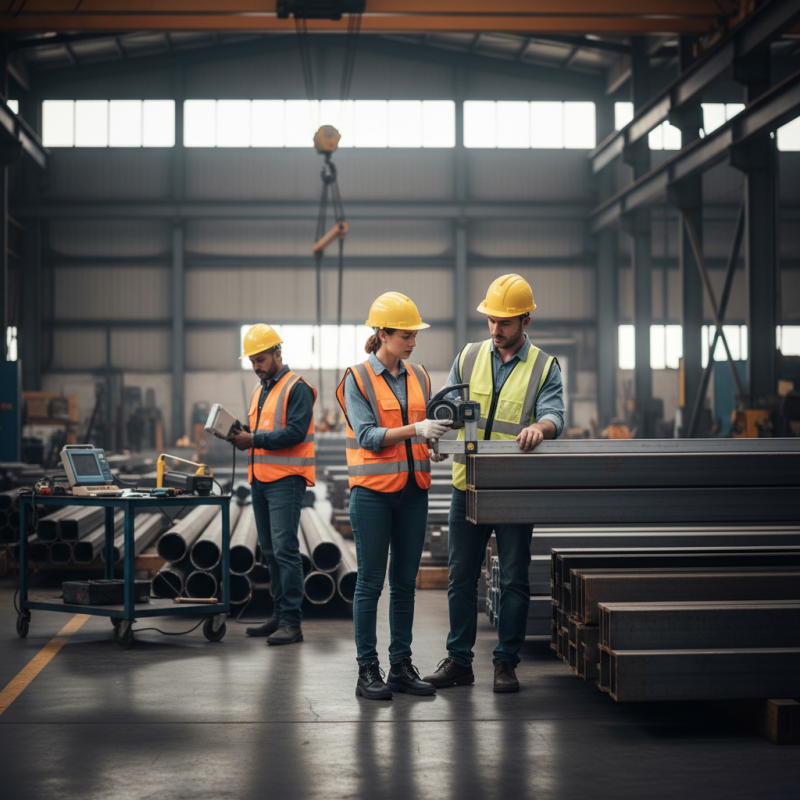
When it comes to steel products, understanding quality standards is essential. Buyers should know that quality affects longevity and safety. Many manufacturers produce steel that may look good but doesn't meet critical specifications. Inadequate quality can lead to product failure and safety hazards. It's alarming how frequently subpar materials end up in construction projects.
Different industries have varying quality benchmarks. Standards often dictate strength, ductility, and resistance to corrosion. Important specifications, like ISO and ASTM, outline necessary properties for different steel grades. However, not all suppliers adhere to these guidelines, which raises concerns. Buyers must remain vigilant. A seemingly minor discrepancy in quality standards can lead to significant issues later, such as structural failures or increased maintenance costs.
Testing and certifications can help buyers gauge quality. Simple physical inspections often miss the subtle flaws that improve performance. Relying solely on visual assessments is risky. A robust understanding of quality standards not only minimizes error but also enhances buyer confidence. Experience shows that informed decisions yield the best outcomes in the long term. Each purchase should reflect a commitment to quality that upholds safety and longevity.
| Quality Standard | Description | Importance | Common Tests |
|---|---|---|---|
| ASTM A36 | Standard specification for carbon structural steel. | Widely used in construction; ensures structural integrity. | Tensile test, chemical analysis. |
| ASTM A992 | Standard specification for structural steel shapes for use in building framing. | Provides high strength and good weldability. | Bending tests, impact tests. |
| ASTM A53 | Standard specification for pipe, steel, black and hot-dipped, zinc-coated, welded and seamless. | Commonly used in construction and manufacturing. | Burst pressure tests, chemical analysis. |
| ISO 9001 | International standard that specifies requirements for a quality management system. | Enhances customer satisfaction and product quality. | Internal audits, management reviews. |
| EN 10025 | European standard for hot-rolled structural steel products. | Essential for meeting European market requirements. | Tensile strength tests, impact tests. |
: Quality standards impact longevity and safety. Poor quality can lead to failures and hazards.
Different industries have unique standards that dictate strength, ductility, and corrosion resistance.
They outline necessary properties for various steel grades. Not all suppliers follow these guidelines.
Certification helps assure compliance with standards and confirms rigorous testing for strength and durability.
No, some certification processes lack authority. Research is essential to identify trustworthy certifications.
Structural failures and increased maintenance costs can arise from using subpar materials.
Engaging with industry experts or forums can provide valuable insights about shifting standards.
They may miss subtle flaws that could affect performance, posing significant risks.
New regulations or standards can emerge suddenly, leading to costly mistakes without proper awareness.
Making educated choices enhances safety and product longevity, reflecting a commitment to quality.
Checking steel product quality is essential for buyers due to its direct impact on the safety, durability, and performance of finished products. Understanding steel quality standards is crucial as it establishes a baseline for evaluating materials. Key factors influencing steel quality include the composition, manufacturing processes, and environmental considerations. Additionally, certification plays a vital role in assuring that steel products meet necessary industry standards, providing buyers with confidence in their purchases.
Common testing methods, such as tensile tests and hardness assessments, are employed to ensure that the steel meets the required specifications. Poor quality steel can lead to severe consequences, including structural failures and financial losses. Therefore, asking "Why is it important to check steel product quality" highlights the need for rigorous quality assurance measures to mitigate risks and enhance overall project reliability.

 Campfire Steel