Rust is a common problem that affects steel products. Understanding how to prevent steel products from rusting is essential for longevity and reliability. Rust not only weakens the material, but it can also lead to costly repairs and replacements. Many people overlook the importance of rust prevention, thinking it is a minor issue. However, neglecting it can create significant problems in various applications.
Practical methods for preventing rusting include proper coating and regular maintenance. A quality protective layer can drastically reduce exposure to moisture and oxygen. Additionally, regular inspections can help identify early signs of rust. Addressing these signs immediately can save time and money. Beyond maintenance, choosing the right materials is crucial. Stainless steel, for example, offers greater resistance to corrosion.
Different environments also impact the likelihood of rust. Coastal areas have higher humidity, increasing rust risk. Understanding your environment helps in selecting appropriate protective measures. As we explore how to prevent steel products from rusting, we will highlight effective strategies and insights. This knowledge not only promotes better use of steel but also fosters sustainable practices in construction and manufacturing.
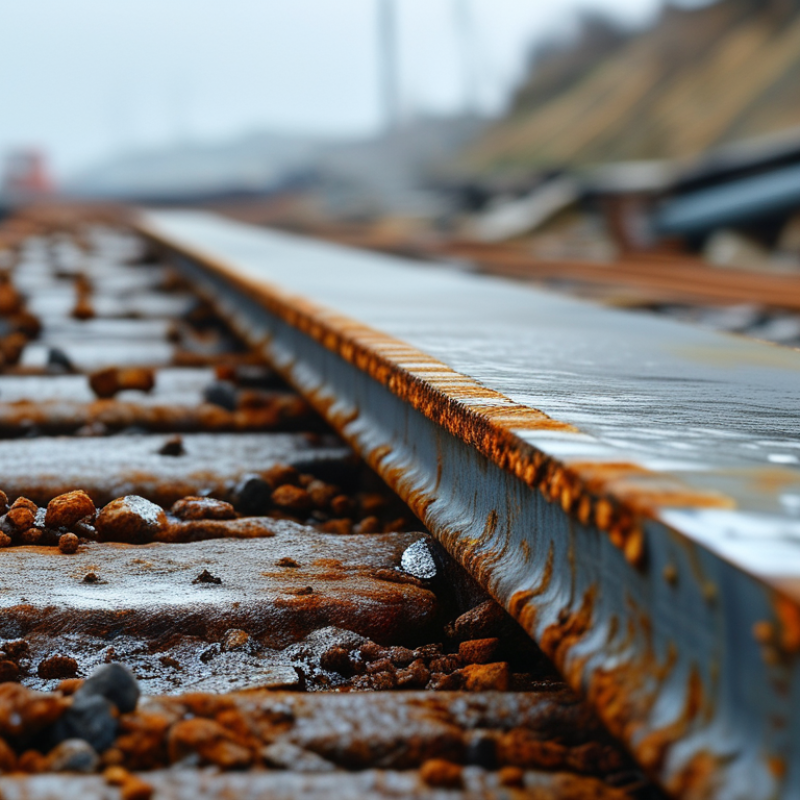
Preventing rust in steel products is crucial for numerous reasons. First, it helps maintain the structural integrity of items. Rust weakens the metal, leading to potential failures. In construction and manufacturing, compromised steel can pose serious safety risks. Regular maintenance and protective coatings can greatly extend the lifespan of steel products.
Additionally, preventing rust saves money in the long run. When steel items rust, they often need to be replaced or repaired. This incurs costs for materials, labor, and downtime. Investing in rust prevention measures, like proper storage and application of protective finishes, can mitigate these expenses. It is a practical approach, especially for businesses relying on steel components.
However, many overlook the need for proactive rust prevention. Often, it takes a severe deterioration for attention to be drawn to the problem. Recognizing and addressing early signs of rust can lead to better outcomes. Regular inspections and preventative treatments are essential practices. Ultimately, the benefits of preventing rust are clear: safety, cost-effectiveness, and product longevity.
Rust is a common issue for steel products, often leading to significant damage and financial loss. Understanding the common causes of rust can help in prevention efforts. Moisture is a leading factor. When water reacts with oxygen and metal, rust forms. The American Rust Prevention Association notes that water exposure increases the corrosion rate exponentially. Other contributors include salt, which accelerates rusting, particularly in coastal areas.
Poor surface preparation can also lead to rust. Any coating defects allow moisture to penetrate. Steel surfaces should be properly cleaned and coated to prevent exposure. Regular maintenance is crucial to mitigate risks. Rust can develop within weeks if conditions are right. A study from the National Institute of Standards and Technology indicates that untreated steel can lose up to 50% of its tensile strength in just a year of exposure to moisture.
Consider implementing protective coatings. These serve as a barrier against elements. Painting with rust-inhibiting products is effective. Keep surfaces dry when possible. Also, store steel products in covered, well-ventilated areas. Even small changes in routine maintenance can make a significant difference. Rust not only damages equipment but also affects safety. A proactive approach ensures longevity and reliability of steel products in various applications.
Rust is a common enemy of steel products. It appears when steel reacts with moisture and oxygen. This reaction creates iron oxide, which weakens the metal's structure. Understanding rust prevention is crucial for maintaining the integrity and longevity of steel items.
Employing effective methods can significantly reduce rust formation. Regularly applying protective coatings is one strategy. Paint, oil, or specialized rust inhibitors form a barrier against moisture. Keeping steel surfaces clean is essential, too. Dirt and debris can trap moisture, accelerating rusting.
In addition, consider environmental factors. Humid conditions are particularly challenging for steel. Installing dehumidifiers in storage areas can help mitigate this. However, there will be times when even the best efforts fail to prevent rust. This calls for regular inspections to catch issues early. Ultimately, taking proactive steps can save time and money in the long run.
Rust can significantly damage steel products. To prolong their lifespan, it's essential to incorporate effective maintenance practices. Regular cleaning is a fundamental step. Dirt, moisture, and salt can accelerate rusting. Wipe surfaces with a dry cloth after exposure to damp conditions. This simple act can dramatically reduce moisture build-up.
Applying a protective coating is another valuable method. Paint or specialized rust inhibitors create a barrier against moisture. Ensure the surface is clean before application for optimal adhesion. Reapply these coatings periodically to maintain effectiveness. It’s advised to inspect the surface regularly for any signs of wear.
Additionally, storage conditions play a crucial role. Keep steel products in a dry, well-ventilated area. If possible, use dehumidifiers in spaces prone to moisture. Avoid placing steel directly on concrete, as this surface can retain moisture. Although these strategies require diligence, consistent application will lead to improved long-term rust resistance. Reflect on your methods and adjust as necessary for the best results.
Rust poses significant challenges to industries globally. In 2022, the National Association of Corrosion Engineers reported that corrosion, including rust, costs the U.S. economy around $276 billion annually. This figure highlights the urgent need for effective rust prevention strategies. Industrial sectors such as construction, automotive, and manufacturing suffer considerable losses due to rust-related issues. Steel products, when compromised by rust, lead to structural failures and decreased efficiency.
The impact extends beyond financial losses. Rust can also endanger worker safety. In 2021, the Occupational Safety and Health Administration documented numerous incidents where structural failures due to corrosion resulted in injuries. Alarmingly, it is estimated that 20% of workplace accidents are linked to material failures arising from rust. Maintaining the integrity of steel products is not just a matter of saving costs; it is crucial for ensuring a safe working environment.
Preventive measures prove indispensable. Regular inspections and proper coatings can substantially diminish rust formation. However, implementing these practices is often overlooked in many companies. A study by the Corrosion Prevention Association indicated that only 30% of organizations prioritize corrosion management. This gap exposes vulnerabilities that industries must address. Ignoring rust's impact could lead to dire consequences, both economically and in terms of personnel safety.
: It maintains structural integrity and prevents potential failures, which can create safety risks.
Rust weakens the metal, leading to deterioration and possible failures in construction or manufacturing.
Preventing rust can save money by avoiding costs related to repairs and replacements of damaged steel items.
Applying protective coatings, keeping surfaces clean, and managing moisture can significantly reduce rust formation.
Humid conditions accelerate rusting; controlling moisture is vital for preserving steel products.
Many wait for severe deterioration before addressing rust, missing early signs that require attention.
Regular inspections help identify early signs of rust, allowing for timely intervention to protect steel items.
Yes, even the best approaches can fail, highlighting the need for ongoing vigilance and maintenance.
Invest in proper storage, regular maintenance, and employee training to recognize and manage rust effectively.
Dirt and debris trap moisture on surfaces, increasing the risk of rust formation on steel.
Rust is a significant issue for steel products, leading to corrosion that compromises strength and durability. Understanding how to prevent steel products from rusting is essential for maintaining their longevity and performance. Preventing rust not only enhances the lifespan of steel goods but also contributes to safety and reliability in various applications. Common causes of rust include moisture, exposure to air, and environmental conditions.
Effective methods for rust prevention include applying protective coatings, using rust-resistant alloys, and ensuring proper drainage. Regular maintenance, such as inspections and timely repairs, plays a crucial role in long-term rust resistance. The impact of rust extends beyond individual products, affecting entire industries and the economy by increasing costs and reducing productivity. Therefore, adopting strategies to prevent rust is vital for anyone working with steel materials.

Campfire Steel