How to store steel products properly is becoming more important as warehouses face changing climates, tighter schedules, and higher material costs. In 2026, effective storage means more than placing steel under a roof. It requires controlled handling, clear identification, safe stacking, and regular condition checks. A warehouse manager should consider product shape, coating, weight, and expected storage duration before choosing a location. Steel needs space. Plates should rest on stable supports that prevent ground contact and bending. Coils require chocks, designed cradles, and careful movement controls. Long sections need evenly spaced dunnage to reduce sagging and avoid trapped moisture.
A reliable storage program combines practical experience with manufacturer guidance, workplace safety procedures, and applicable local requirements. Use calibrated lifting equipment, inspect slings before handling, and keep pedestrian routes visibly separated. Store stainless, galvanized, and carbon steel apart when contamination could damage surfaces or create quality problems. Keep it dry. Good drainage, roof maintenance, ventilation, and humidity monitoring can reduce corrosion risks, especially near coastal facilities. Record receiving dates, surface conditions, storage locations, and inspection results. Digital tags and condition alerts may improve traceability, but they cannot replace a physical inspection. We still miss things. A small rust mark beneath a timber support can reveal a larger drainage problem. This guide examines practical methods, common mistakes, and improvements that steel professionals can apply in daily operations. Some recommendations may need adjustment for local conditions, product specifications, and updated safety guidance. The goal is dependable storage, not a perfect-looking checklist.
Steel storage starts with the product, not the warehouse shelf. Define requirements for each type before unloading. Carbon steel needs a dry, ventilated area with good drainage. Place bars, plates, and sections on raised supports. Keep them away from soil, standing water, and leaking walls. Use breathable covers when dust protection is necessary. Sealed plastic can trap condensation.
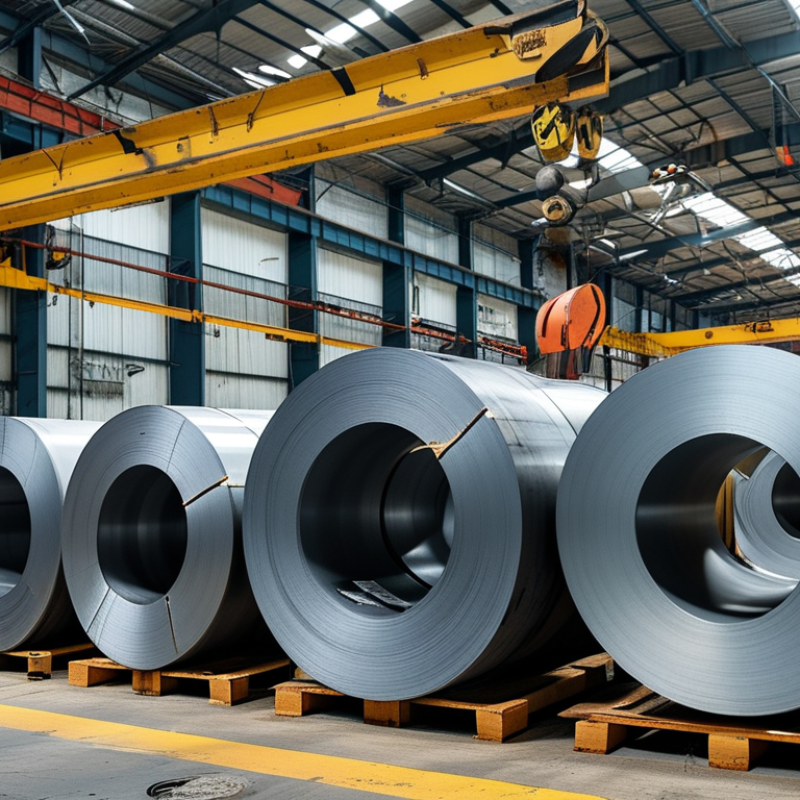
Stainless steel requires separation from carbon steel dust and ordinary steel racks. Use clean, non-contaminating supports, and prevent contact with copper or chemicals. Galvanized steel needs airflow around every bundle. Store it under cover, with a slight angle for drainage. Rebar may remain outdoors, but it still needs firm dunnage and clear runoff paths. Coils and sheets require stable supports, secure stacking, and protection against rolling or edge damage.
In warehouse practice, labels should show grade, size, heat number, and receiving date. Inspect stored steel weekly for rust, wet packaging, shifted bundles, or damaged covers. Measure condensation risks during temperature changes, not only during rain. Follow the applicable handling standard and the supplier’s technical instructions.
A perfect storage plan rarely stays perfect. I have seen dry floors fail after one blocked drain. Adjust the layout when conditions change. Train workers to lift, stack, and separate materials safely.
How to Store Steel Products Properly in 2026?
A safe steel storage area begins with a dry, level, and load-rated floor. Check the surface before unloading every delivery. Cracks, standing water, or soft ground can shift heavy bundles without warning. Use timber or composite dunnage to keep steel above the floor. Leave space beneath each bundle for airflow and inspection. Steel stored directly on concrete may collect hidden moisture.
Plan clear aisles for forklifts, lifting equipment, and emergency movement. Keep bundles stable, with heavier sections placed lower. Do not stack beyond the rack or floor capacity. Separate different grades, sizes, and finishes with visible labels. A simple location map helps workers find materials without dragging nearby products. Cover outdoor steel with breathable protection, but leave open sides for ventilation. Fully sealed covers can trap condensation.
Tips: Inspect storage areas after rain, temperature changes, and heavy deliveries. Wipe visible water from surfaces quickly. Check straps, supports, and labels each week. Rotate stock when practical. Small details matter.
Experience shows that storage plans often fail during busy shifts. Workers may place one bundle slightly outside its marked zone. That small mistake deserves attention. Review the layout regularly, record damaged materials, and improve weak points before they become safety hazards. Train every handler to report unstable stacks, sharp edges, and blocked walkways immediately. Safety depends on consistent habits, not perfect paperwork.
How to Store Steel Products Properly in 2026?
Steel storage begins with cleanliness. Remove mill scale dust, salt, oil residue, and fingerprints before stacking. Even small contaminants can hold moisture against the surface. Use dry, lint-free cloths and approved cleaners suited to the steel grade. Never store freshly washed products without complete drying. That shortcut often causes trouble.
Keep steel indoors, above the floor, and away from leaking walls. Maintain steady airflow around bundles, especially near corners and roof panels. A practical target is relative humidity below 60%, although local climate and steel condition may require tighter control. Place timber or polymer supports beneath each bundle. Ensure supports cannot trap rainwater or condensation. Check for wet packaging after temperature changes. It is easily missed.
Protection should match storage duration. Use vapor-resistant wrapping, desiccants, temporary coatings, or corrosion-inhibiting materials after confirming compatibility. Inspect exposed edges weekly during humid seasons, then record photographs and surface readings. The NACE IMPACT study estimated global corrosion costs at about 3.4% of world GDP, while effective corrosion management could reduce losses by 15–35%. Those figures justify disciplined storage, not excessive treatment. ISO 12944 guidance also reinforces the importance of surface preparation and environmental control before protective coating systems are applied. A weak point remains human handling. Clean steel can become contaminated during re-stacking. Review the procedure honestly. It may need changing.
| Storage Dimension | Recommended Practice | Target or Control Point | Inspection Frequency | Risk if Ignored | Priority |
|---|---|---|---|---|---|
| Site selection | Use an enclosed warehouse whenever possible. If outdoor storage is unavoidable, select a paved, well-drained area away from standing water, chemical fumes, salt spray, and direct soil contact. | Storage surface should remain firm, level, and free-draining; keep products clear of flood-prone areas. | Before placement and after heavy rain | Water accumulation, contamination, staining, and accelerated corrosion | High |
| Cleanliness before storage | Remove dirt, chlorides, metal filings, packaging residue, and other contaminants. Wipe or wash the steel using a method compatible with its grade and finish, then dry it completely. | No visible soil, salt deposits, or free water on product surfaces | Before storage and before repacking | Under-deposit corrosion, pitting, and surface discoloration | High |
| Moisture control | Prevent condensation by keeping temperature changes gradual and maintaining dry warehouse conditions. Use ventilation, dehumidification, or approved desiccants where appropriate. | Keep relative humidity below approximately 60% for general indoor steel storage when practical; lower humidity may be required for corrosion-sensitive finishes. | Daily for critical stock; weekly for routine stock | Flash rust, white rust on zinc coatings, and long-term corrosion | High |
| Ground clearance | Place steel on sound skids, racks, or dunnage rather than directly on concrete, soil, or the warehouse floor. Ensure supports do not create sharp pressure points. | Maintain enough clearance for airflow, cleaning, inspection, and drainage; use stable supports suited to the product weight. | At each handling operation | Trapped moisture, deformation, floor contamination, and handling damage | High |
| Stacking and load distribution | Stack products according to their shape, strength, and approved handling instructions. Align supports vertically and avoid unstable or excessive loads. | Keep stacks level, restrained where necessary, and within the safe working load of racks, pallets, and dunnage. | At placement and during routine rounds | Collapse, bending, scratching, and worker safety incidents | High |
| Protection from contact damage | Use clean separators, non-abrasive pads, or suitable wrapping between layers. Prevent steel from rubbing against rough surfaces or dissimilar materials that may cause galvanic effects. | Separate finished surfaces and keep contact points clean and dry. | During stacking, moving, and monthly inspection | Scratches, dents, coating damage, and localized corrosion | Medium |
| Packaging and covering | Use breathable, water-resistant covers for outdoor protection. Do not seal damp steel in impermeable packaging unless the product is completely dry and the packaging system is designed for corrosion control. | Cover should shed rain while allowing trapped moisture to escape; inspect for tears, pooling, and condensation. | Weekly and after severe weather | Condensation corrosion, trapped water, mold on packaging, and coating failure | High |
| Corrosion protection | Apply a compatible temporary rust preventive, vapor corrosion inhibitor, or protective coating when specified by the product requirements. Confirm compatibility before application. | Protection method must match steel grade, surface finish, storage duration, and subsequent fabrication or coating needs. | Before storage and at scheduled reapplication intervals | Premature corrosion or difficult cleaning before use | High |
| Separation by material type | Identify and segregate carbon steel, stainless steel, galvanized steel, and coated products. Use dedicated or clean handling equipment for stainless and finished surfaces. | Prevent direct contact between incompatible materials and avoid carbon-steel contamination of stainless surfaces. | At receiving and during inventory checks | Cross-contamination, staining, galvanic corrosion, and loss of finish quality | High |
| Inventory rotation | Use a first-in, first-out approach where practical. Mark receiving dates, storage locations, product grade, dimensions, surface condition, and preservation method. | Every item should be traceable to its receipt date and inspection status. | At receipt and monthly | Extended exposure, obsolete stock, and missed deterioration | Medium |
| Routine condition inspection | Check for rust, staining, wet packaging, condensation, damaged covers, shifted stacks, coating defects, and blocked drainage. Photograph and record any abnormal condition. | Remove moisture promptly and isolate affected material for evaluation or reconditioning. | Weekly; more frequently in humid, coastal, or temperature-variable locations | Small defects developing into widespread material loss | High |
| Handling and lifting | Use clean, suitable lifting devices and padded contact surfaces where required. Follow the product’s safe lifting points and avoid dragging steel across the floor. | Keep slings, forks, hooks, and magnets free from contaminants that can scratch or mark the product. | Before every handling operation | Impact damage, distortion, surface scratches, and personnel injury | High |
| Long-term storage review | For storage exceeding several months, reassess packaging, corrosion protection, support condition, humidity controls, and product usability. Re-preserve or repackage when necessary. | Set a documented review date based on storage environment, product sensitivity, and preservation system. | Monthly or according to the preservation plan | Protection systems becoming ineffective without detection | Medium |
Steel storage begins with stability, not appearance. World Steel Association’s World Steel in Figures 2024 reports 1.89 billion tonnes of crude steel production in 2023. That volume highlights the importance of disciplined handling across every warehouse. Inspect the floor before unloading. It must be level, dry, and strong enough for the planned load. Place steel on timber or steel supports, not directly on concrete. Keep supports aligned vertically to prevent bending. Long beams need enough support points. Thin sheets require full, even backing.
Stack similar products together by size, grade, and delivery schedule. Keep heavier items below lighter bundles. Secure round bars against rolling with wedges or chocks. Do not build unstable piles merely to save floor space. OSHA 29 CFR 1910.176 requires stored materials to remain secure against sliding, falling, or collapse. Mark aisles clearly and keep access routes open. A small gap between bundles also improves inspection and lifting access.
Tips: Check every stack after heavy rain, impact, or movement nearby. Replace damaged supports immediately. Use readable tags showing size, grade, quantity, and inspection date. Photographing each storage zone can improve traceability, although it should not replace physical checks. Perfect organization is difficult. A rushed re-stacking decision can still create hidden pressure points, so review the layout regularly.
Stored steel needs regular inspection, not just a dry roof. In 2026, humidity swings, coastal salt, and trapped water remain major corrosion risks. Check bundles, coils, plates, and pipes weekly during wet seasons. Look for orange staining, white deposits, peeling coatings, and dark moisture lines. Use a calibrated moisture meter when surfaces appear dry but packaging feels damp. Small signs matter.
Keep steel off the ground on stable, level supports. Leave air gaps between bundles, and slope covers so rain drains away. Never seal wet steel under plastic. Ventilate covered areas, but avoid direct windblown spray. Inspect contact points closely; rust often begins beneath straps, spacers, or timber. Record the date, location, product grade, surface condition, and corrective action. Clear photos from the same angle make changes easier to verify. Digital logs help, though paper backups still matter when devices fail. That happens.
Remove standing water immediately and replace damaged wrapping without trapping moisture inside. Light surface rust may need approved cleaning and protective treatment. Deep pitting requires technical assessment before use. Do not mix cleaned steel with untreated stock. Inspect lifting marks and edges after every movement. A rushed check can miss corrosion beneath labels. Review inspection frequency after storms, temperature changes, or relocation. The schedule may need adjustment. Train workers to report loose straps, unstable supports, and unexpected moisture before damage spreads.
: Keep carbon steel in a dry, ventilated area with good drainage. Raise bars, plates, and sections above the floor. Avoid soil, standing water, and leaking walls.
Separate it from carbon steel dust and ordinary steel racks. Use clean supports that will not contaminate the surface. Prevent contact with copper, chemicals, and dirty tools.
Store galvanized steel under cover with airflow around every bundle. Keep each bundle slightly angled for drainage. Rebar may remain outdoors on firm supports with clear runoff paths.
Use stable supports and secure stacking methods. Prevent coils from rolling and protect sheet edges from impact. Check supports after movement.
Use breathable covers for dust protection. Do not seal wet steel under plastic. Condensation can collect like water inside a closed bag.
Labels should show the grade, size, heat number, and receiving date. Keep labels visible after stacking. A hidden label can create avoidable confusion.
Inspect bundles, coils, plates, and pipes weekly during wet periods. Check for orange stains, white deposits, peeling coatings, and dark moisture lines. Inspect after storms, relocation, and major temperature changes.
Remove standing water immediately. Replace damaged wrapping without trapping moisture. Light surface rust may need approved cleaning and protective treatment. Deep pitting requires technical assessment before use.
Record the date, location, product grade, surface condition, and corrective action. Take photos from the same angle each time. Digital logs help, but paper backups still matter. Devices fail.
Inspect lifting marks, edges, straps, and supports after every movement. Report loose straps, unstable stacks, and unexpected moisture quickly. A rushed check can miss rust under labels. The plan may need changing.
Proper steel storage begins with understanding the specific requirements of each product, since sheets, coils, pipes, bars, and fabricated components may need different supports and handling methods. How to store steel products properly depends on selecting a safe, level, and well-drained area with enough space for lifting equipment and routine access. The storage zone should be clean, dry, ventilated, and protected from standing water, corrosive substances, and unnecessary exposure to harsh weather.
Before storage, remove dirt, moisture, and contaminants, then apply suitable protective coverings or corrosion protection when needed. Steel should be stacked on stable supports, kept off the ground, and arranged to prevent sliding, bending, scratching, or unsafe movement. Clear labeling and organized placement make identification and retrieval easier while reducing handling risks. In 2026, regular inspections remain essential: check for rust, deformation, damaged packaging, water accumulation, and shifting stacks. Promptly correct problems, improve protection, and maintain accurate storage records to preserve product quality and workplace safety.

Campfire Steel