In the construction industry, steel products are indispensable. This metal offers a unique combination of strength, durability, and versatility. Many projects rely on these qualities to ensure safety and longevity. Builders often ask the question, "Why are steel products used in construction?"
One reason is the impressive load-bearing capacity of steel. Structures can withstand significant weight, making them suitable for skyscrapers and bridges. Furthermore, steel is resistant to various environmental factors, reducing maintenance costs over time. While its benefits are numerous, challenges exist as well. The production of steel can be energy-intensive, raising concerns about sustainability.
The use of steel products in construction is a balancing act. Architects and engineers value its reliability but must consider the environmental impact. Ultimately, the choice of materials shapes our cities and communities, prompting professionals to continuously reflect on their decisions.
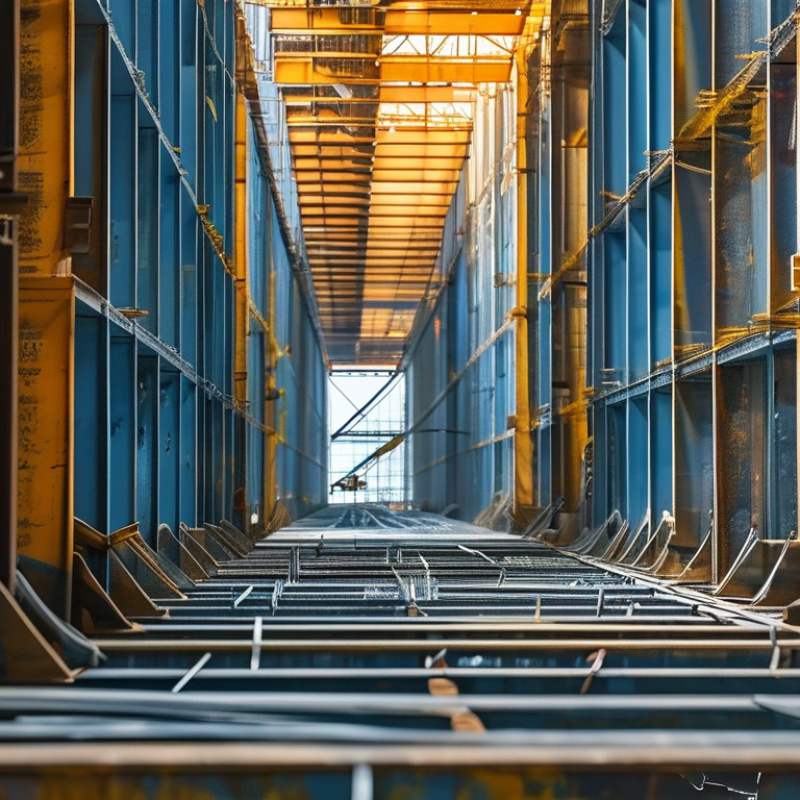
The Role of Steel in Modern Construction Techniques
Steel plays an integral role in modern construction techniques. Its strength and durability make it ideal for various structures. Builders often choose steel due to its ability to bear heavy loads. Steel components, such as beams and columns, provide essential support. They allow for larger open spaces, which enhance design flexibility.
Moreover, steel is recyclable, contributing to sustainable practices in construction. Using steel minimizes waste compared to other materials. However, sourcing high-quality steel can sometimes be challenging. There are variations in quality, which can affect structural integrity. Builders must ensure they are using appropriate steel grades for their projects.
The construction landscape is continually evolving. New techniques, like modular construction, often utilize steel for rapid assembly. This innovation accelerates project timelines, yet it raises questions about labor and craftsmanship. Balancing speed and quality remains a constant challenge in the industry. Embracing steel in construction requires careful planning and execution. The complexities involved can lead to unexpected results if not managed properly.
Why Are Steel Products Essential in Construction Projects? - The Role of Steel in Modern Construction Techniques
| Aspect |
Description |
Benefits |
| Strength |
Steel is known for its high tensile and compressive strength, making it ideal for structural support. |
Provides durability and safety for buildings. |
| Versatility |
Steel can be molded into various shapes and sizes, allowing for innovative design. |
Facilitates modern architectural trends. |
| Cost-Effectiveness |
Steel is often more affordable compared to other materials when considering lifecycle costs. |
Reduces overall construction costs. |
| Sustainability |
Steel is recyclable, which contributes to environmentally friendly building practices. |
Promotes green building initiatives. |
| Low Maintenance |
Steel structures require less maintenance compared to wood or concrete. |
Saves time and costs over the structure's lifespan. |
Advantages of Using Steel Over Other Materials in Construction
Steel products play a pivotal role in construction due to their unique properties. They offer an impressive strength-to-weight ratio, making them ideal for frameworks and structures. According to the American Institute of Steel Construction, steel structures can bear heavy loads while maintaining a lighter weight compared to concrete or wood. This allows for more innovative architectural designs that emphasize space and functionality.
Another significant advantage of steel over traditional materials is its durability. Steel is resistant to environmental challenges such as rust, corrosion, and termites. Research published in the Journal of Construction Engineering highlights that steel structures can last over 50 years with proper maintenance, significantly outlasting wood. Additionally, steel is 100% recyclable, making it a sustainable choice in the industry. This raises questions about the environmental impact of using less sustainable materials.
Focusing on these benefits, many construction projects now prioritize steel for both economic and ecological reasons.
Cost-effectiveness is another key consideration. While the initial investment may be higher, steel’s longevity and low maintenance fees can lead to savings in the long run. However, this depends on various factors, including market fluctuations and regional availability. A careful evaluation is necessary to determine if steel is indeed the most beneficial material choice for a specific project.
Key Applications of Steel Products in Various Construction Projects
Steel products play a critical role in construction projects across various applications. In structural frameworks, steel beams and columns provide the strength and durability needed for high-rise buildings. According to the World Steel Association, steel construction is responsible for 60% of the total structural weight in modern buildings. This highlights the vital role steel plays in creating safe and reliable structures.
In bridges, steel’s flexibility and tensile strength allow for longer spans and innovative designs. The American Institute of Steel Construction reports that steel is used in over 95% of bridges in the United States. Steel products ensure that these structures can withstand heavy loads and environmental stressors. Yet, the use of steel also raises issues, such as the need for ongoing maintenance to prevent corrosion and ensure longevity.
Furthermore, steel is essential in residential construction. Steel framing is gaining popularity due to its resistance to pests and fire. However, the initial costs can be higher than traditional materials, prompting discussions in the industry about cost-benefit analyses. While steel reduces construction time and energy consumption, some projects still encounter challenges in sourcing and implementation. Each application of steel in construction comes with its advantages and hurdles, underscoring the need for careful planning and execution.
Environmental Impact of Steel Usage in Construction
The environmental impact of steel usage in construction is a critical focus in today’s building practices. Steel is highly recyclable and can reduce waste in projects. However, its production is energy-intensive, leading to significant carbon emissions. About 8% of global carbon dioxide emissions stem from steel manufacturing. This highlights a pressing need for sustainable practices.
Using steel can improve energy efficiency in buildings. Structures made with steel require less material overall. This reduces the total footprint of a construction project. However, the extraction and processing of iron ore present environmental challenges. Deforestation and habitat destruction occur due to mining activities. Therefore, it's essential to balance the benefits of steel with its ecological costs.
Efforts are underway to develop greener steel production methods. Innovations such as using hydrogen instead of coal could minimize emissions. Still, the transition is slow and complex. The industry must reflect on its practices and seek ways to lessen its environmental impact. While steel remains vital for construction, it is crucial to recognize its drawbacks and strive for improvement.
Future Trends in Steel Products for Sustainable Construction Practices
Steel products are crucial in modern construction. Their strength and durability make them a preferred choice for building frameworks. However, the push for sustainability has led to innovations in steel production.
Future trends indicate a shift towards green steel. This involves using renewable energy for production, which reduces carbon emissions significantly. The emphasis on recycling is also increasing. More steel is now sourced from recycled materials, minimizing waste and conserving resources.
Investing in smart technology is another trend. Advanced techniques improve efficiency in manufacturing steel. Automation and data analytics lead to better quality control. This is essential for sustainable practices, ensuring projects are both efficient and environmentally friendly.
Consider these points when planning your next construction project. Always choose steel sourced sustainably. Look for suppliers who prioritize eco-friendly practices. This will not only enhance the project’s longevity but also positively impact the environment. Quality matters. Focus on reliable materials to ensure safety and durability.
Demand for Steel Products in Construction Projects
FAQS
: Steel's strength and durability make it suitable for various structures. Builders appreciate its ability to support heavy loads.
Steel is recyclable, reducing waste. It minimizes the environmental impact compared to other materials when sourced responsibly.
Sourcing high-quality steel can be difficult. Variability in quality may affect structural integrity, requiring careful selection.
There's a shift towards green steel, using renewable energy to decrease carbon emissions significantly, improving sustainability.
Steel structures require less material, which can lower the overall footprint of construction projects, enhancing energy efficiency.
Mining activities can lead to deforestation and habitat destruction. This poses significant ecological challenges that need addressing.
Builders should seek suppliers that prioritize eco-friendly practices. This can enhance project longevity and positively impact the environment.
Smart technology and automation improve efficiency in manufacturing. Better quality control is essential for sustainable practices.
Rapid assembly may compromise labor quality and craftsmanship. It's essential to balance speed with the quality of execution.
Quality matters in material selection. Prioritizing reliable and sustainable steel ensures safety and durability in construction projects.
Conclusion
Steel products play a crucial role in modern construction due to their unmatched strength, durability, and versatility. Why are steel products used in construction? They provide numerous advantages over traditional materials, such as enhanced structural integrity and the ability to withstand extreme weather conditions. Key applications span a wide range of construction projects, including skyscrapers, bridges, and residential buildings, where steel's properties are leveraged to ensure safety and longevity.
As sustainability becomes increasingly important, the environmental impact of steel usage is also a focus, with innovations aimed at reducing carbon footprints. Future trends suggest the development of advanced steel products that integrate recycled materials and promote sustainable practices. This evolution indicates that steel will continue to be a foundational element in construction, adapting to meet modern engineering and environmental challenges.

 Campfire Steel