How are Steel Products Manufactured in Modern Industry?

Time:2026-03-20 Author:Mason
0%

Steel is essential in modern construction and manufacturing. It supports buildings, bridges, and vehicles. The question arises: how are steel products manufactured?

The process begins with raw materials like iron ore and coal. These materials undergo transformation through intense heat and chemical reactions. Using modern methods, manufacturers convert iron ore into molten iron. However, this process is energy-intensive and often results in significant emissions.

Next, the molten iron is mixed with alloying elements. This creates different steel grades tailored for various applications. Each method holds potential for improvement. The industry faces challenges in sustainability and efficiency. Balancing production needs with environmental impact is crucial. Thus, understanding how are steel products manufactured helps us address these pressing issues.
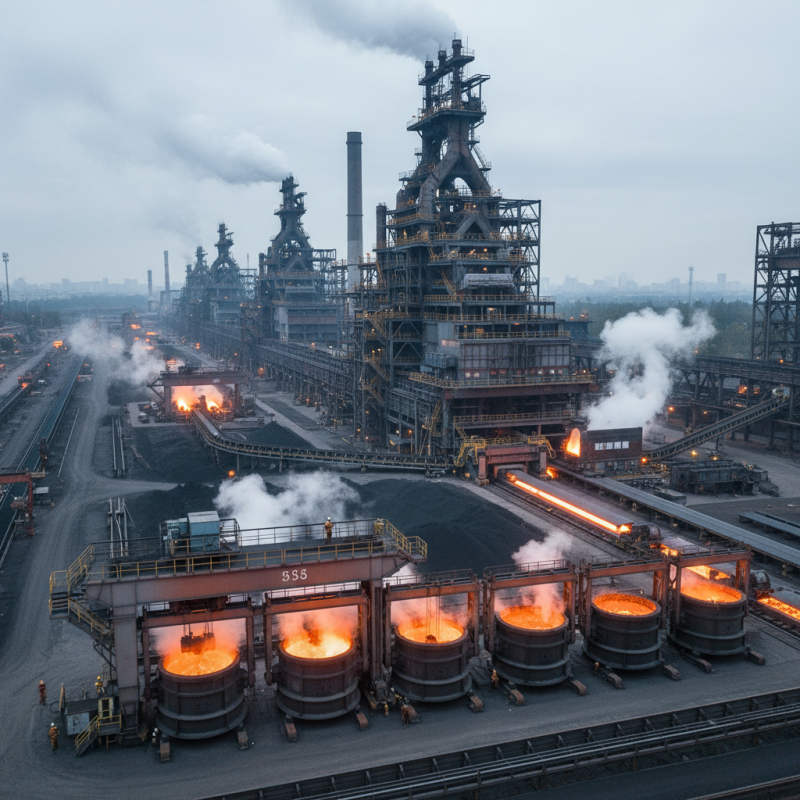
How are Steel Products Manufactured in Modern Industry?

Raw Materials and Their Role in Steel Manufacturing

Raw materials play a crucial role in steel manufacturing. The primary ingredients include iron ore, coal, and limestone. Iron ore provides the main component for steel. It is typically mined from the earth and transported to processing plants. Quality varies, impacting the final product.

Coal is used in the form of coke, which is essential in reducing iron ore to molten iron. The quality of coke affects the efficiency of the smelting process. Limestone acts as a flux, helping to remove impurities from the iron. These materials work together in a symbiotic relationship.

Tip: Always consider the sourcing of your raw materials. Sustainable sourcing is essential for responsible manufacturing.

The entire process can lead to environmental concerns. Extraction and transportation generate emissions and waste. Monitoring these aspects is vital.

Tip: Engage in regular assessments of your supply chain. Transparency helps identify improvement areas.

Understanding raw materials enhances the steel production process. It informs better practices and potential innovations. The journey from raw material to final product is complex, yet fascinating.

How are Steel Products Manufactured in Modern Industry? - Raw Materials and Their Role in Steel Manufacturing

Material Type Description Role in Steel Manufacturing Common Use
Iron Ore A naturally occurring mineral from which iron is extracted. Primary source of iron in steel production through the blast furnace process. Used in the production of various types of steel.
Coke A fossil fuel made by carbonizing coal, used as a reducing agent. Provides the necessary heat and carbon for the reduction of iron ore in the blast furnace. Essential in the steelmaking process.
Limestone A sedimentary rock primarily composed of calcium carbonate. Acts as a flux to remove impurities from iron ore in the blast furnace. Used in steelmaking and construction.
Scrap Steel Recycled steel obtained from old products no longer in use. Serves as a raw material for Electric Arc Furnaces. Widely used in constructing new steel products.
Alloys Metals combined with other elements to improve properties. Enhances specific properties of steel such as strength, corrosion resistance, and hardness. Used in specialized applications like aerospace and automotive industry.

The Steel Production Process: An Overview

The steel production process is complex and fascinating. It begins with the extraction of iron ore, which is the primary raw material. The ore is then crushed and blended with additives. This mixture is known as sinter, which will be used in blast furnaces.

In the blast furnace, the sinter undergoes intense heat. The process separates iron from impurities. This molten iron is then poured into molds, forming pig iron. It's an essential step but not without its challenges. Some impurities can linger, affecting the quality.

Next, the pig iron is converted into steel. This occurs in a steelmaking furnace, where various alloys are added. The temperature needs to be precise, often requiring adjustments during the process. Sometimes, the results are unexpected, leading to batches that must be re-evaluated or remade. The journey from raw material to finished product is full of intricate steps, each presenting opportunities for improvement.

Steel Production Process Overview

This bar chart illustrates the various stages of the steel production process, showcasing the estimated production volumes in million tons. Each stage is essential in transforming raw materials into finished steel products.

Key Technologies Used in Modern Steel Manufacturing

Modern steel manufacturing relies on key technologies that enhance efficiency and quality. One of the most significant processes is the electric arc furnace (EAF) method. This technology uses electrical arcs to melt scrap steel. It is a cleaner process compared to traditional methods, yet it presents challenges in ensuring the quality of recycled materials.

Another prominent technique is direct reduced iron (DRI) production. DRI involves using natural gas to convert iron ore into iron. This method significantly reduces greenhouse gas emissions. However, it requires substantial energy, raising questions about sustainability and cost.

Automation also plays a crucial role in modern steel mills. Robots perform tasks like welding and material handling. This minimizes human error and increases precision. Yet, the reliance on automation may lead to a shortage of skilled labor. Balancing technology with workforce needs is a challenge many manufacturers face today.

Quality Control and Testing in Steel Production

In modern steel production, quality control is crucial. Each batch of steel must meet specific standards. Testing might involve checking the tensile strength, hardness, and chemical composition of the steel. This ensures that the product will perform as expected in various applications.

During production, several methods are employed to monitor quality. Non-destructive testing techniques, like ultrasonic and magnetic particle tests, help identify internal defects. These methods require skilled technicians who understand how to interpret the results accurately. However, sometimes these tests can miss small flaws, leading to potential safety issues.

Maintaining consistent quality is a constant challenge. Variations in raw materials can affect the finished steel’s properties. Regular audits of the manufacturing process can help identify areas for improvement. Nonetheless, the balance between efficiency and thorough testing often raises questions. How can manufacturers ensure both high productivity and superior quality? This remains a topic for ongoing discussion in the industry.

Sustainability Practices in the Steel Industry

Sustainability in the steel industry is gaining prominence. Steel production consumes vast amounts of energy and resources. Modern practices aim to reduce waste and lower emissions. Recycling scrap steel is one effective method. It uses less energy than producing new steel. This process creates a closed-loop system, minimizing the need for raw materials.

However, challenges remain. Not all steel plants can implement these sustainable practices easily. Many still rely on outdated methods, leading to higher carbon footprints. Additionally, sourcing recycled materials can be difficult. Emerging technologies show promise, but are not yet universally adopted. Transitioning to greener practices requires collaboration across the industry.

Investing in renewable energy sources has potential too. Solar and wind can power steel production facilities. While this offers hope, the initial costs can hinder adoption. Furthermore, consumer demand for sustainable products continues to rise. Companies must adapt to stay relevant. They need to commit to ongoing sustainability efforts, or risk falling behind in a changing market.

FAQS

: What is the importance of quality control in steel production?

: Quality control ensures each steel batch meets specific standards for performance in various applications.

What testing methods are commonly used in steel production?

Testing includes checking tensile strength, hardness, and chemical composition of the steel for quality assurance.

How are non-destructive testing methods used in steel quality control?

Techniques like ultrasonic and magnetic particle tests detect internal defects without damaging the steel.

What challenges do manufacturers face in maintaining consistent steel quality?

Variations in raw materials and balancing efficiency with thorough testing create ongoing challenges.

How does the steel industry approach sustainability?

The industry is focusing on reducing waste and emissions through practices like recycling scrap steel.

What are the difficulties in implementing sustainable practices in steel production?

Many plants still use outdated methods, and sourcing recycled materials can be quite challenging.

How can renewable energy impact steel production sustainability?

Solar and wind energy have potential but the initial investment can be a barrier for many companies.

Why is consumer demand for sustainable steel products increasing?

There is a growing concern for the environment; companies must adapt to meet this demand to remain relevant.

What is a significant risk for companies neglecting sustainability efforts?

Companies may fall behind in the market if they don't commit to ongoing sustainability initiatives.

Are emerging technologies widely adopted in the steel industry?

Though promising, many emerging technologies for sustainability are not yet universally applied across the industry.

Conclusion

The article titled "How are Steel Products Manufactured in Modern Industry?" delves into the intricate process of steel production, beginning with the essential raw materials that play a crucial role in manufacturing. It outlines the steel production process, providing a comprehensive overview of the steps involved, from ore extraction to the final product. The discussion highlights key technologies employed in modern steel manufacturing, which enhance efficiency and precision.

Furthermore, quality control measures and testing protocols are examined to ensure that the steel products meet industry standards. The article also addresses sustainability practices within the steel industry, emphasizing efforts to reduce environmental impact while maintaining productivity. Overall, this exploration provides valuable insights into how steel products are manufactured, showcasing the blend of technology and sustainability in contemporary practices.

Mason

Mason

Mason is a seasoned marketing professional with a deep expertise in the company's offerings and a passion for driving brand awareness. With a strong background in digital marketing strategies, he has an innate ability to connect with diverse audiences and effectively communicate product benefits.......