Steel products play a crucial role in various industries, from construction to manufacturing. Their durability directly impacts the longevity and safety of structures and machinery. A recent report from the World Steel Association highlights that nearly 60% of steel materials fail due to corrosion and wear. Thus, understanding "Why do steel products need surface treatment" becomes essential for enhancing performance and lifespan.
Surface treatment methods, like galvanization and coating, significantly improve resistance to rust and abrasion. According to industry experts, surface-treated steel can last up to three times longer than untreated options. This longevity is particularly vital in harsh environments, where factors like moisture and chemicals can accelerate deterioration. However, not all treatments are equally effective, and poor application can lead to vulnerability and unexpected failures.
The need for surface treatment in steel products underscores a larger conversation about sustainability and cost-effectiveness. While this treatment necessitates an initial investment, the long-term benefits often outweigh these costs. The industry continues to evolve, finding innovative ways to enhance surface treatment techniques. This ongoing exploration raises interesting questions about best practices and future advancements in steel durability.
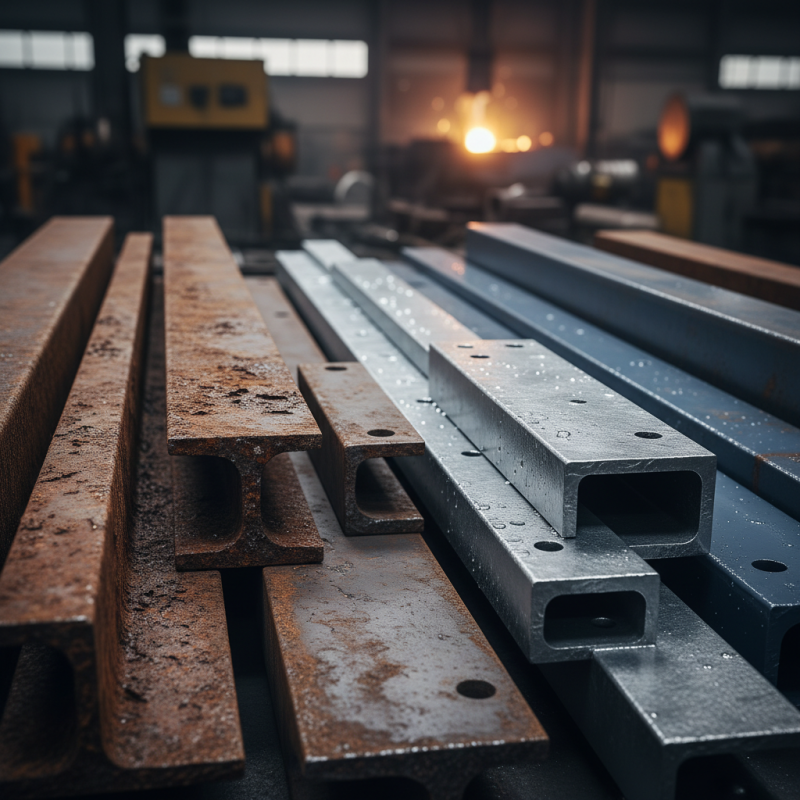
Understanding the Importance of Surface Treatment in Steel Products
Surface treatment is crucial for steel products. It enhances their durability and performance. When steel is exposed to elements, corrosion starts. Moisture, chemicals, and air can damage it. Surface treatment adds protective layers. These layers act as barriers against corrosion and wear.
Various methods exist for surface treatment. Techniques include galvanizing, painting, and powder coating. Each method has unique benefits and challenges. Galvanizing offers excellent rust protection. Painting provides aesthetic appeal but may require frequent touch-ups. Powder coating is durable but can be costly. Selecting the right method requires careful consideration of the intended use. Sometimes, the choice may lead to unforeseen drawbacks, such as less flexibility or longer application times.
Understanding surface treatment’s importance helps in decision-making. Steel products without treatment may fail prematurely. This can lead to safety hazards and increased maintenance costs. Therefore, assessing the appropriate treatment method is vital. Careful selection ensures the longevity of steel products, ultimately enhancing their value and reliability.
Importance of Surface Treatment in Steel Products
Common Types of Surface Treatments for Enhancing Steel Durability
Steel products, while strong, require surface treatment to enhance their durability against various environmental factors. Rust and corrosion are persistent threats that can significantly reduce the lifespan of steel items. To combat these issues, several common surface treatments are employed.
Galvanization is one widely used method. It involves coating steel with zinc to create a barrier against moisture. This technique protects the metal and extends its usability in harsh conditions.
Another approach is powder coating. This method provides a durable finish by applying a dry powder that is then cured under heat. The result is a tough, colorful layer that adds aesthetic value while protecting against wear and rust.
Tips: Always inspect treated steel regularly. This helps you identify any signs of deterioration early. Consider applying touch-up coats to maintain the protective layer. Regular maintenance is key to maximizing the lifespan of steel products.
In some cases, a surface treatment might not fully adhere or could wear away faster than expected, leading to potential vulnerabilities. Being aware of these limitations is crucial for effective usage. Evaluating how different treatments perform in specific environments can lead to better choices in the long run.
Mechanisms of Corrosion and Wear in Untreated Steel Products
Steel products often face significant challenges in maintaining durability. Untreated steel is particularly vulnerable to corrosion and wear. Corrosion occurs when steel reacts with moisture and oxygen, forming rust. This weakens the material, leading to structural failures over time. Wear, on the other hand, results from friction and impact, gradually eroding the surface. Both mechanisms drastically reduce the lifespan of steel products.
To mitigate these risks, surface treatments are essential. Techniques such as galvanizing or coating can create a barrier against environmental factors. These treatments enhance resistance to both corrosion and wear. However, some treatments may not adhere well or can wear off over time, leading to potential vulnerabilities. Regular inspections are crucial to identify and address these issues promptly.
Tips: Always consider the environment where the steel product will be used. Wet or salty conditions may require more robust treatments. Understanding the specific needs of your steel products can lead to better durability. Periodically assess the condition of the surface treatment, even if it seems effective. This proactive approach can help prevent costly replacements.
Why Do Steel Products Require Surface Treatment for Durability? - Mechanisms of Corrosion and Wear in Untreated Steel Products
| Property |
Untreated Steel |
Surface Treated Steel |
Performance Increase (%) |
| Corrosion Resistance |
Low |
High |
75% |
| Wear Resistance |
Moderate |
Excellent |
60% |
| Life Span |
5 years |
15 years |
200% |
| Maintenance Cost |
High |
Low |
50% |
| Weight |
Standard |
Standard |
0% |
Benefits of Surface Treatment in Extending Steel Product Lifespan
Surface treatment of steel products plays a vital role in enhancing their durability. This process helps to protect steel from corrosion and wear, which are common issues that shorten the lifespan of steel structures. By applying various treatments like galvanization or powder coating, manufacturers ensure that steel retains its strength and functionality over time. These treatments create a barrier, preventing moisture and other harmful substances from reaching the metal underneath.
For those working with steel products, it’s essential to consider specific surface treatment options. Each type of treatment offers unique benefits. For instance, electroplating can improve the aesthetic appeal while also enhancing resistance to scratches. Regular maintenance is crucial, as the effectiveness of surface treatment may diminish over time. To prolong the lifespan, routine inspections are advisable.
Tip: Always evaluate environmental conditions where steel will be used. Chlorine, salt, and humidity can drastically impact performance. Understanding these factors helps in selecting the appropriate treatment method.
In some cases, surface treatment may not provide complete protection. Scratches or chips can expose underlying metal, leading to corrosion. Prompt repair of any visible damage is necessary. Regular checks for integrity can help identify weaknesses early on.
Industry Applications Where Steel Surface Treatment is Essential
In various industries, steel products face harsh conditions. These environments demand robust surface treatments for enhanced durability. For example, the automotive sector often utilizes coated steel components. Studies show that untreated steel can corrode swiftly, reducing lifespan by up to 35%. A well-applied surface treatment can substantially extend the service life of parts, potentially doubling their effectiveness.
The construction industry also highlights the necessity of surface treatment. According to a report by the American Institute of Steel Construction, galvanized steel structures exhibit a 50% longer lifespan in coastal areas. This is crucial where exposure to saltwater accelerates corrosion rates. Yet, despite these benefits, some manufacturers overlook surface treatment, leading to premature failures.
Moreover, oil and gas sectors rely heavily on surface-treated steel to withstand extreme pressure and corrosive substances. Reports indicate that untreated pipes often require replacement every five years. In contrast, treated pipes can last up to twenty years with proper maintenance. While the need for these treatments is evident, the implementation often lacks consistency across projects, revealing opportunities for improvement in industry practices.
FAQS
: Galvanization involves coating steel with zinc. This creates a barrier to protect against moisture and rust.
It enhances durability and prevents corrosion, extending the lifespan of steel products in various environments.
Powder coating applies a dry powder on steel. It is cured under heat, creating a tough, protective layer.
Regularly inspect treated steel for deterioration. Apply touch-up coats as needed to maintain protection.
No, sometimes treatments may not adhere well or wear away. This could expose the metal to corrosion.
Chlorine, salt, and humidity can impact steel performance. Evaluating these factors helps in selecting the right treatment.
Scratches can expose the underlying metal. Prompt repair is necessary to prevent corrosion and further damage.
Regular inspections are advisable. This helps to identify any signs of damage and ensure longevity.
Electroplating enhances both the aesthetic appeal and scratch resistance of steel. It’s another surface treatment option.
Yes, some treatments may not provide complete protection. Understanding limitations is vital for effective usage.
Conclusion
Steel products require surface treatment to enhance their durability and longevity, addressing the critical question: why do steel products need surface treatment? Surface treatment provides a protective layer that combats mechanisms of corrosion and wear, which untreated steel is highly susceptible to. Various methods, such as galvanizing, powder coating, and anodizing, are employed to improve resistance against environmental factors and physical wear.
The benefits of these treatments are significant, leading to extended lifespans for steel products, which is essential across various industries, from construction to manufacturing. By ensuring that steel products are treated effectively, industries can reduce maintenance costs and improve overall performance, showcasing the undeniable importance of surface treatment in the realm of steel applications.

 Campfire Steel