Why choose galvanized steel products? The answer begins with protection, but it should not end there. Galvanized steel receives a zinc coating that shields the underlying steel from moisture, oxygen, and everyday corrosion. In practical use, this matters on construction sites, agricultural buildings, guardrails, roofing systems, and outdoor equipment. A properly galvanized surface can remain bright for years, even when exposed to rain, dust, and changing temperatures.
The value is also visible during installation. Galvanized components usually require less frequent painting and maintenance than unprotected steel. This can reduce labor interruptions and help keep long-term project costs more predictable. The coating also provides a recognizable surface for inspection. Scratches and wear are easier to identify before they become serious problems. Experienced engineers still check coating thickness, drainage design, edge coverage, and the surrounding environment before selecting a product. Details matter.
It is not a perfect answer for every application. Very acidic conditions, trapped moisture, or contact with incompatible metals may accelerate coating damage. Design mistakes can shorten service life, even when the material is high quality. That is why reliable suppliers provide technical data, production traceability, and relevant testing information. Buyers should confirm standards, dimensions, coating requirements, and expected exposure conditions. Field experience supports careful choices, not exaggerated promises. This guide examines ten practical reasons to consider galvanized steel products, while recognizing their limits and the responsibility behind every specification.
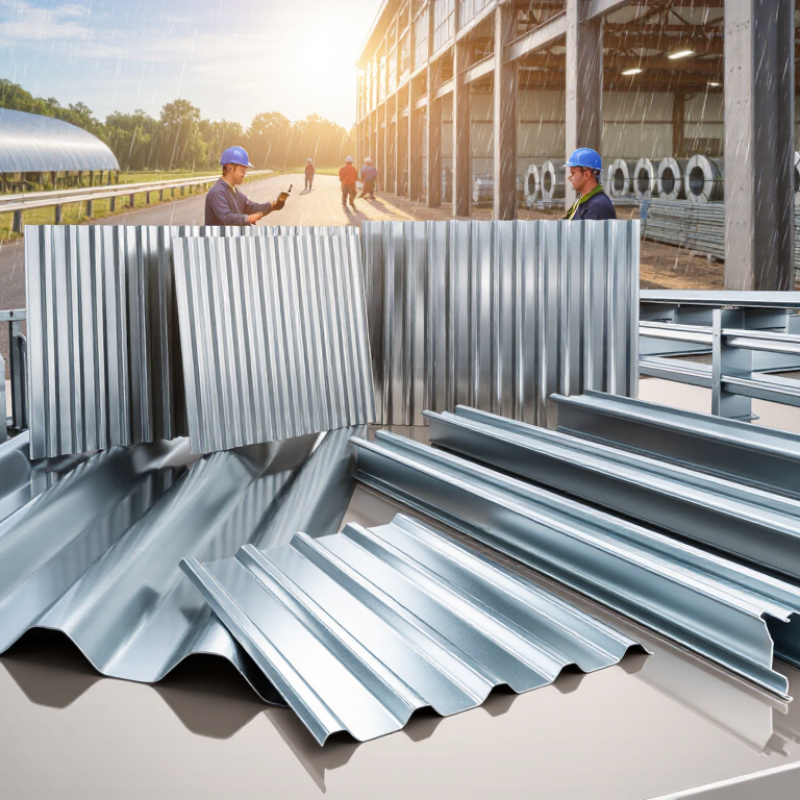
Galvanized steel earns attention through long service life. A zinc coating shields steel from moisture, oxygen, and corrosive salts. It also provides cathodic protection when scratches expose the underlying steel. According to the American Galvanizers Association’s corrosion data, galvanized coatings can last more than 50 years in many rural environments. In industrial settings, expected service may range from 20 to 40 years, depending on pollution and humidity.
That difference matters. Environment controls performance. The association’s Time to First Maintenance study reports estimated coating lives of about 72 years in rural areas, 42 years in suburban areas, and 29 years in industrial areas. These figures help engineers compare maintenance schedules, not merely purchase prices. Zinc thickness, surface preparation, drainage, and contact with dissimilar metals also influence results. Small design details matter.
Galvanizing reduces repainting and site disruption. It can arrive ready for installation, with a tough metallic surface that handles transport and outdoor exposure. Life-cycle assessments from international zinc and steel industry bodies also identify strong recyclability, since zinc and steel can re-enter established recycling streams. Still, no coating is invincible. Standing water, aggressive chemicals, and poor detailing can shorten service life. That limitation deserves honest attention. Engineers should verify local exposure conditions and coating thickness before selecting products.
Galvanized steel protects more than the surface you can see. Zinc acts sacrificially because it is more chemically active than iron. When moisture reaches a scratch, zinc corrodes first and supplies protective current to the exposed steel. The steel is not left defenseless. Over time, zinc corrosion products form a stable, tightly attached patina. It looks dull gray, but that surface is working.
The NACE IMPACT study estimated global corrosion costs at about US$2.5 trillion annually, equal to 3.4% of global GDP. Galvanizing can reduce maintenance exposure when coating thickness and drainage are properly controlled. However, it is not a magic shield. Poor detailing can trap water, accelerate attack, and shorten service life.
ASTM A123/A123M provides requirements for hot-dip galvanized coatings on fabricated iron and steel products. Its acceptance process considers coating appearance, thickness, and adherence. For many structural categories, the required average coating thickness is commonly specified around 85–100 micrometres, depending on steel thickness and product classification. Exact requirements must be checked against the applicable table.
Field experience still matters. Inspectors often use calibrated magnetic thickness gauges at several locations, not one convenient spot. Sharp edges, weld zones, and recessed areas deserve attention. A measurement can pass while a design remains vulnerable. That is the uncomfortable part. Specification compliance and real-world durability are related, but they are not identical.
Minimum average zinc coating thickness specified by ASTM A123/A123M for structural steel products.
Key principle: Zinc is more chemically active than steel. If steel becomes exposed, nearby zinc preferentially corrodes and supplies cathodic protection. ASTM A123/A123M specifies minimum average and spot coating thicknesses according to the product category and steel thickness.
Galvanized steel earns its lifecycle value through durable corrosion protection. A zinc coating shields the steel from moisture, salt, and outdoor exposure. On construction sites, this can mean fewer repainting cycles and less disruptive repair work. It is not maintenance-free. However, routine inspections usually remain simpler and less expensive than repeated coating renewal.
Lower maintenance costs begin with a longer service life. Engineers can evaluate coating thickness, local climate, drainage, and contact with dissimilar metals before installation. Good detailing matters. Trapped water can accelerate damage, even on galvanized surfaces. Cleaning blocked drainage points and checking cut edges help preserve performance. These practical steps reduce unexpected labor, equipment use, and replacement waste.
Galvanized steel also supports a more circular material cycle. Steel remains 100% recyclable, while zinc coatings can be recovered during established recycling processes. End-of-life components can return to steel production instead of occupying limited landfill space. Recycling rates depend on collection, separation, and responsible processing. That limitation deserves attention. A material is not automatically sustainable when disposal systems are poorly managed. Choosing durable steel, documenting its coating, and planning future recovery can improve both environmental performance and long-term value.
Galvanized steel products combine structural strength with practical corrosion protection. For load-bearing applications, ASTM A36 steel offers dependable strength for plates, brackets, frames, and general structural members. ASTM A572 grades can provide higher yield strength, helping engineers reduce weight without sacrificing performance. The correct grade still depends on load calculations and design conditions.
Strength begins with verified material. Mill certificates should identify chemical composition, yield strength, tensile strength, and heat numbers. Independent testing can confirm that supplied steel matches the project specification. On site, inspectors should check dimensions, weld quality, bolt connections, and coating coverage. These steps create traceability from production to installation.
Galvanizing adds a zinc layer that protects exposed steel from moisture and oxygen. Scratches may receive sacrificial protection nearby, but damaged areas still need proper repair. Drainage holes, clean edges, and suitable contact design improve coating consistency. Small details matter.
A strong specification is not enough by itself. Poor storage can trap water between stacked members and create early staining. Mixed materials may also cause unexpected corrosion at connections. I have found that clear inspection records often prevent more problems than confident promises. There is no perfect coating. Good engineering accepts that limitation and manages it through testing, maintenance, and careful installation.
Galvanized steel helps infrastructure last longer with fewer repairs. A protective zinc coating shields steel from moisture, oxygen, and road salt. This matters on bridges, guardrails, utility poles, drainage systems, and industrial platforms. In coastal projects, the coating can reduce corrosion risks under demanding conditions.
Long service life saves more than replacement costs. It also reduces repeated transport, demolition, material use, and construction waste. Recycled steel can return to the production cycle, while zinc is also recoverable through established recycling processes. These qualities support more responsible material planning.
Practical experience shows that surface preparation and coating thickness affect performance. Poor handling can create scratches or weak areas. Galvanized steel is not maintenance-free. Designers still need drainage details, suitable fasteners, and regular inspections. That part is sometimes overlooked.
Life-cycle thinking gives the strongest reason to choose it. A slightly higher initial cost may support decades of dependable service. However, project conditions differ. Soil chemistry, humidity, temperature changes, and contact with other metals can alter results. Engineers should verify local exposure data before specifying products. That makes sustainability measurable, rather than merely promotional.
In many rural environments, zinc coatings may protect steel for over 50 years. Industrial exposure may reduce service life to roughly 20–40 years. Conditions matter.
Humidity, pollution, salt, and chemical exposure can consume zinc faster. Rural air is usually gentler than industrial air. Local conditions deserve checking.
Zinc can provide sacrificial protection near small scratches. However, deep damage still requires suitable repair. Do not ignore exposed steel.
Drainage holes prevent trapped water inside hollow sections. Clean edges and proper surface preparation support consistent coating coverage. Standing water remains a serious weakness.
A36 grades suit many plates, brackets, frames, and general structural members. A572 grades may offer higher yield strength and reduce member weight. Load calculations decide the right choice.
Request mill certificates showing composition, yield strength, tensile strength, and heat numbers. Independent testing can confirm supplied steel matches project requirements. Paperwork helps, but inspection still matters.
They should check dimensions, welds, bolt connections, and coating coverage. They should also inspect scratches, edges, and drainage openings. Small details matter.
Keep members separated and dry during storage. Stacked pieces can trap water and cause early staining. Storage is easy to underestimate.
Why choose galvanized steel products? They provide durable, dependable, and cost-effective performance across a wide range of environments. Zinc coatings can protect steel for more than 50 years in many conditions, helping reduce corrosion and extend service life. Through sacrificial protection, the zinc layer shields the underlying steel even when minor surface damage occurs. Products manufactured to ASTM A123 coating standards also offer consistent and reliable corrosion resistance.
Galvanized steel delivers strong lifecycle value by lowering maintenance, repair, and replacement costs over time. Its high-strength structure can meet ASTM A36 and ASTM A572 requirements, making it suitable for demanding infrastructure and construction applications. In addition, steel is 100% recyclable, supporting more sustainable material use. By combining long-term protection, structural reliability, reduced upkeep, and recyclability, galvanized products are a practical choice for durable infrastructure projects designed to perform for generations.

Campfire Steel