The steel industry is dynamic, with prices that fluctuate often. Many wonder, "Why do steel product prices change frequently?" Understanding these shifts can provide deeper insights into market dynamics. Factors such as global demand, supply chain disruptions, and production costs all play a role.
In recent years, the pandemic has affected steel availability. Supply chain challenges have led to delays and increased costs. Additionally, tariffs and trade policies can impact pricing. Dealers and consumers feel these changes, making it crucial for stakeholders to stay informed.
Market speculation is another influence on pricing. Traders may respond to news and trends that drive prices up or down. As a result, interpretation of market signals can be tricky. This intricate web of factors reveals the complexity surrounding steel pricing and invites further examination.
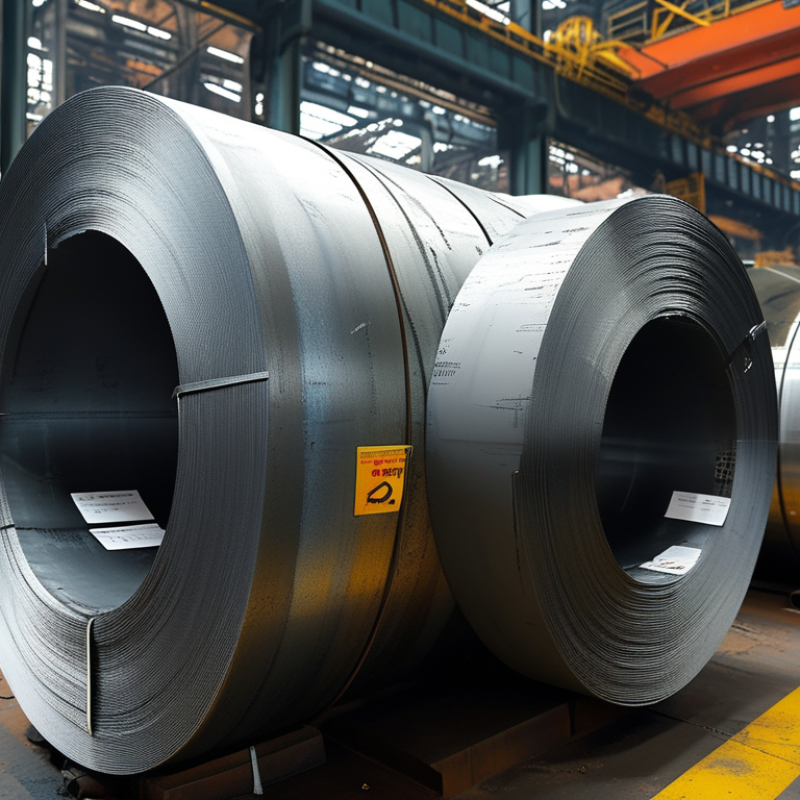
Steel product prices are subject to frequent changes due to various influencing factors. One major factor is global demand. When economies grow, the demand for steel increases, driving prices up. Conversely, during economic downturns, demand dips, leading to lower prices.
Supply chain disruptions can also play a crucial role. Natural disasters or geopolitical tensions can obstruct steel production, causing prices to spike.
Another key factor is raw material costs. The prices of iron ore, coal, and scrap metal fluctuate, impacting overall steel pricing. When raw material prices rise, manufacturers often pass these costs onto consumers.
Energy prices also contribute significantly. Higher energy costs can lead to increased production expenses for steel manufacturers.
Tips: Monitor global economic indicators to better anticipate steel price shifts. Understanding market trends can give insights into potential price increases or decreases. Additionally, keeping track of raw material costs can help you make informed purchasing decisions. Staying informed helps mitigate risks associated with price volatility.
The dynamics of the global supply chain have a significant effect on steel pricing. Recent reports reveal that disruptions, such as transportation delays and raw material shortages, frequently cause price fluctuations in steel products. According to the World Steel Association, global steel demand is expected to reach 1.8 billion tons by 2025, creating pressure on supply chains. These demands frequently lead to unexpected pricing changes as suppliers struggle to keep pace.
Additionally, geopolitical tensions can exacerbate supply chain challenges. For instance, trade restrictions can limit access to critical iron ore sources. This has been a factor in rising costs. Prices can shift dramatically based on international relations and policy changes. A recent study highlighted that steel prices can swing by 20% within just a few months due to these disruptions. Companies must adapt quickly to these market realities. Understanding these factors can aid procurement strategies, but it remains a complex and often unpredictable market landscape.
| Dimension | Price Change (%) | Market Trend | Supply Chain Factor | Date of Change |
|---|---|---|---|---|
| Hot Rolled Coil | +5% | Bullish | Increased demand from manufacturing | 2023-09-15 |
| Cold Rolled Steel | -3% | Bearish | Supply chain disruptions | 2023-08-30 |
| Galvanized Steel | +8% | Bullish | Higher production costs | 2023-09-01 |
| Steel Rebar | +2% | Stable | Infrastructure projects | 2023-09-10 |
| Stainless Steel | +10% | Bullish | Raw material price increase | 2023-09-20 |
Steel product prices are highly sensitive to demand and consumption trends. According to a recent report by the World Steel Association, global steel demand is projected to increase by 2.7% in 2024. This shift drives price fluctuations as industries like construction and automotive ramp up their usage of steel products. These sectors are often influenced by economic cycles and government infrastructure spending, creating a complex interplay in the market.
Interestingly, consumption patterns vary significantly by region. For instance, China remains the largest consumer, accounting for over 50% of global steel use. However, emerging markets are gradually tightening their grip, showcasing an increasing need for infrastructure development. In contrast, mature markets are experiencing a decline, prompting a review of production capacities and pricing strategies.
Tip: Keep an eye on economic indicators. They can provide valuable insights into steel demand trends. Tracking major projects in your area can also offer hints about local consumption patterns.
As we observe these trends, it's crucial to acknowledge not all factors are predictable. Unexpected events, such as natural disasters or geopolitical tensions, can significantly impact production and supply. This uncertainty adds a layer of complexity to pricing dynamics, making it essential for stakeholders to stay informed and adaptive.
This chart illustrates the average steel product prices from 2019 to 2023. Notice the fluctuations due to varying demand and consumption trends in the steel market.
Steel product prices fluctuate due to a variety of factors, with raw material costs being a significant player. The prices of iron ore, scrap metal, and other materials greatly impact production costs. When demand for these materials rises, production costs increase. This typically results in higher prices for finished steel products.
Supply chain issues also play a crucial role. Disruptions in the sourcing of raw materials can lead to shortages. These shortages create price spikes in the steel market, causing manufacturers to adjust their pricing strategies. In recent years, geopolitical tensions and trade policies have added layers of complexity to these fluctuations.
Furthermore, it's essential to consider how international markets affect local pricing. Global demand can drive prices up or down, while local economic conditions may not align with these trends. This can lead to unexpected pricing scenarios for consumers and businesses alike. Understanding these dynamics is vital for making informed purchasing decisions in the steel market.
Steel prices are highly influenced by various economic indicators. Fluctuations in global supply chains can lead to significant price changes. When demand for steel increases due to construction projects, prices often rise sharply. Conversely, if there is a slowdown in manufacturing, prices may drop unexpectedly.
Inflation also plays a crucial role in steel price volatility. Higher inflation rates can increase production costs. This, in turn, impacts steel pricing. Even small changes in interest rates affect investment in steel-related projects. Trade policies and tariffs further complicate the market. Their implementation can create uncertainty, which drives prices up or down unpredictably.
Monitoring economic indicators is essential for understanding steel price movements. Analysts often look at metrics like GDP growth rates and industrial production levels. These indicators provide insights into market trends. However, relying solely on economic data can be misleading. Real-world conditions can vary. It's important to consider external factors that can disrupt predictions, adding to the overall complexity of the steel market.
: Steel pricing is affected by global supply chain dynamics, raw material costs, and geopolitical tensions.
Higher prices for iron ore and scrap metal raise production costs, leading to increased finished steel prices.
Disruptions in sourcing raw materials create shortages, which can spike steel prices unexpectedly.
Economic indicators like GDP growth and inflation influence steel price volatility and market trends.
A rise in demand, often due to construction projects, typically causes sharp price increases in steel.
Many factors, including geopolitical tensions and economic conditions, create unpredictability in steel pricing trends.
Trade policies and tariffs introduce uncertainty, which can cause sudden fluctuations in steel prices.
Companies must be agile. Understanding market dynamics helps in adjusting procurement strategies.
Often, local pricing does not align with global trends, leading to unexpected costs for buyers.
No, real-world conditions can disrupt predictions. A broader perspective is needed for informed decisions.
The frequent fluctuations in steel product prices can be attributed to a variety of factors that interact within the global market. Key influences include the dynamics of the global supply chain, which affect the availability and distribution of steel, and the trends in demand and consumption that shape market expectations. Additionally, the costs of raw materials play a crucial role; as the prices of materials such as iron ore and scrap metal rise or fall, so too do steel prices.
Economic indicators, such as GDP growth rates and industrial production levels, also contribute to the volatility observed in steel pricing. Understanding "why do steel product prices change frequently" requires a comprehensive look at these elements, as they collectively determine price stability and market behavior. In essence, the interplay of supply, demand, raw material costs, and economic conditions ensures that steel prices remain dynamic and responsive to various global shifts.

Campfire Steel