Engineered to exceed critical standards across international processing, architectural, and mechanical infrastructure.
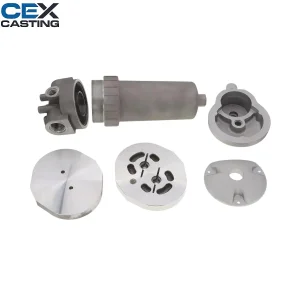
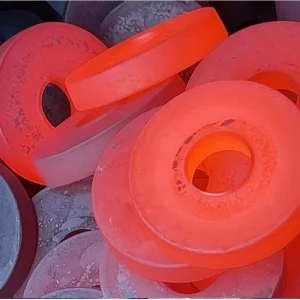
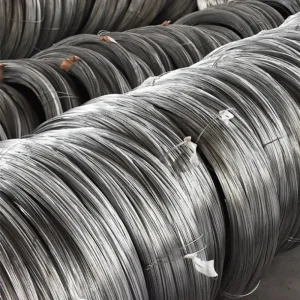
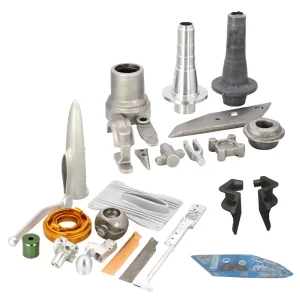
In modern industrial metallurgy, **316L Stainless Steel** represents the benchmark for corrosion resistance, chemical passivity, and structural integrity. Often designated under the Unified Numbering System as **UNS S31603** and European standard **EN 1.4404**, 316L is a low-carbon modification of the standard Type 316 austenitic stainless steel. The addition of Molybdenum (typically 2.0% to 3.0%) combined with a controlled low carbon content (maximum 0.03%) alters the structural performance of the alloy under aggressive chemical exposure.
The presence of Molybdenum yields a significantly higher **Pitting Resistance Equivalent Number (PREN)** than standard 304 series steels. The calculation:
places 316L within the threshold required to resist localized chloride attack, crevice corrosion, and acidic environments. By lowering the carbon content to less than 0.03%, the risk of **chromium carbide precipitation** along grain boundaries during welding processes is virtually eliminated. This ensures the material maintains its mechanical strength and corrosion resistance without the need for post-weld annealing, presenting clear cost and operational advantages for structural pipelines, marine equipment, and pressure vessels.
China’s leading metallurgy complexes have moved past basic smelting into the **Industry 4.0** epoch. As a premier Chinese 316L stainless steel manufacturer, our operations utilize automated **Electric Arc Furnace (EAF)** smelting coupled with **Argon Oxygen Decarburization (AOD)** refining. This system enforces strict control over residual impurities such as Sulfur, Phosphorus, and dissolved gases (Oxygen, Nitrogen, Hydrogen), establishing a highly refined, uniform grain structure in the final product.
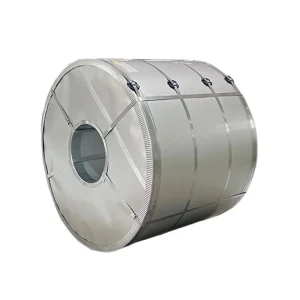
Our integration of high-capacity continuous casting machines (CCM) and automated cold-rolling mills ensures consistent dimensional tolerances across steel plates, sheets, and coils. The implementation of AI-driven, real-time thickness and flatness monitoring systems (utilizing laser-based sensor arrays) minimizes deviations down to the micrometer level. This precision prevents gauge variance issues during automated laser cutting, stamping, and tube-forming processes at our clients' facilities, improving processing yield and shortening cycle times.
Furthermore, our manufacturing operations are structured around a fully integrated supply chain. From direct raw material sourcing of high-purity nickel and chromium to internal processing and deep drawing, we reduce dependency on external supply chains. This resilience allows us to guarantee stable pricing and reliable delivery windows, even amid volatile global logistics markets.
The utilization of 316L stainless steel spans across critical industries, each requiring specific material properties and certifications:
Exposed to marine atmospheric conditions and splash zones, standard steels experience rapid pitting and stress corrosion cracking (SCC) due to high chloride concentrations. The Molybdenum-fortified matrix of our 316L plates and structural elements provides resistance to chloride attacks, making it a reliable choice for offshore drilling platforms, subsea piping, marine hardware, and desalination plants.
Handling aggressive media such as hot organic acids, sulfuric acid solutions, and halides requires high chemical stability. Our 316L pipes and fittings are engineered to withstand continuous exposure to these corrosive elements, reducing downtime and avoiding premature component failures in chemical reactors, storage vessels, and heat exchangers.
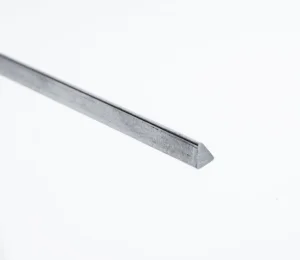
Hygiene and ease of cleaning are critical to preventing microbial contamination. High-grade 316L exhibits surface passivity that resists sanitizing chemicals and organic food acids. Products like our **316L Stainless Steel Conical Triangle Slotted Wire Filter Element** are designed for the filtration of high-purity food items, beverages, and dairy products, meeting cleanability and sanitary standards.
Bioprocessing equipment requires highly polished surfaces (often electropolished down to Ra < 0.4 μm) to prevent bacterial adhesion and biofilm formation. The low-carbon chemistry of 316L prevents chromium depletion in the heat-affected zone of welded piping systems, ensuring the passivation layer remains intact during Clean-in-Place (CIP) and Steam-in-Place (SIP) cycles.
Delivering high-performance metal products and engineered components to major industries worldwide.
At Hebei Campfire Steel Co., Ltd. (operating in alignment with major steel production hubs including Qingdao Xinzhonglian Steel Co., Ltd.), we believe customer care extends beyond basic quality control and on-time delivery. We focus on adding long-term value through technical services. By collaborating closely with our clients, we continuously improve steel grades to help optimize manufacturing processes, improve weld reliability, and lower machining tool wear.
We stand behind the reliability of our products. Campfire Steel is a major exporter in the region that backs its quality with a clear returns policy for non-compliant materials. With over 20 years of trade experience, we possess the logistical expertise and technical capability to serve markets worldwide, ensuring your supply chain remains stable.
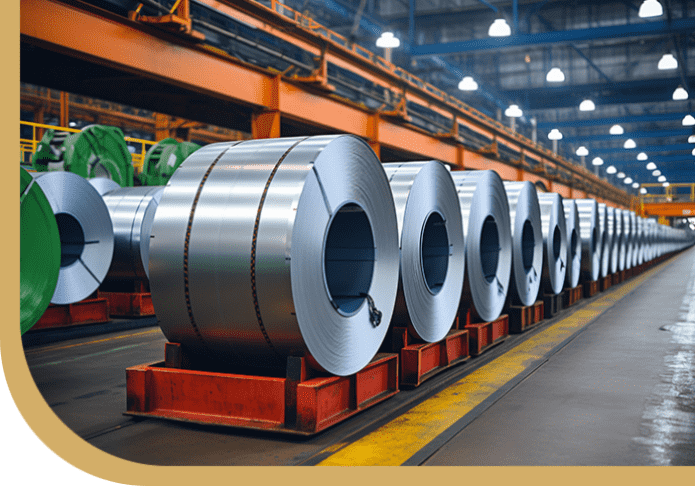
To meet the demands of developing industries, our metallurgical R&D divisions focus on several core engineering directives:
With the rise of metal 3D printing (Selective Laser Melting/Direct Metal Laser Sintering), there is growing demand for spherical 316L powders. Our advanced gas atomization systems produce powders with high sphericity, low oxygen content, and controlled particle size distributions. This supports consistent powder flow and high density in printed components for aerospace, biomedical implants, and complex hydraulic manifolds.
To address global ESG initiatives, we are working to reduce our carbon footprint. This includes increasing the use of recycled stainless steel scrap in our electric arc furnace charges and exploring hydrogen-based reduction processes. These efforts aim to lower the carbon footprint per ton of finished 316L, supporting the sustainability goals of our international client base.
As liquefied natural gas (LNG) infrastructure and liquid hydrogen logistics expand, materials must perform at cryogenic temperatures. Our specialized annealing techniques yield a stable austenitic structure in 316L that resists phase transformation to martensite even when subjected to temperatures down to -196°C. This ensures high impact toughness and structural reliability, preventing brittle fracture in cryogenic storage and transport systems.
Managing international metal procurement requires adhering to strict specifications and regulatory standards. We ensure compliance with key international standards:
We also support independent, third-party inspections (such as SGS, Bureau Veritas, or TÜV) to verify material quality before dispatch. This systematic approach reduces project risks and ensures our materials integrate cleanly into your production processes.
Explore our diverse inventory of structural, carbon, and stainless steel products engineered for stability and performance.
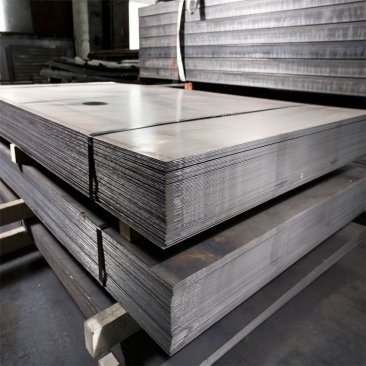
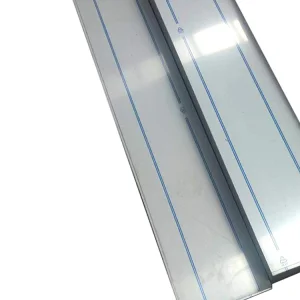
Compliance with American ASTM standards. Good mechanical properties, welding performance, and structural stability, widely used in infrastructure development.
Inquire Now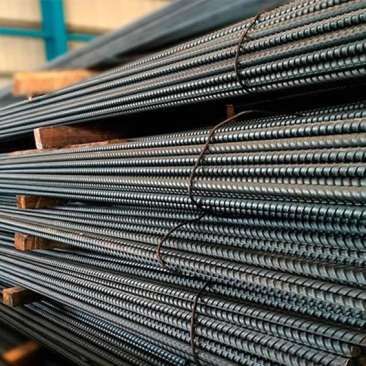
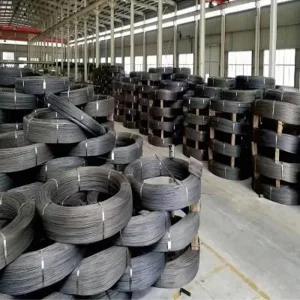
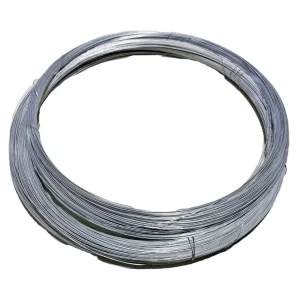
Structural steel for reinforced and prestressed concrete systems. Available in plain round, ribbed, and twisted formats for high-load construction.
Inquire Now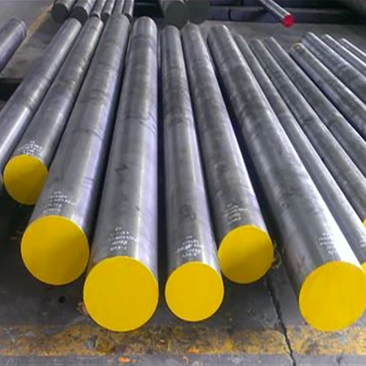
Low alloy steel containing chromium, molybdenum, and manganese. Offers a balanced combination of strength, toughness, and wear resistance.
Inquire Now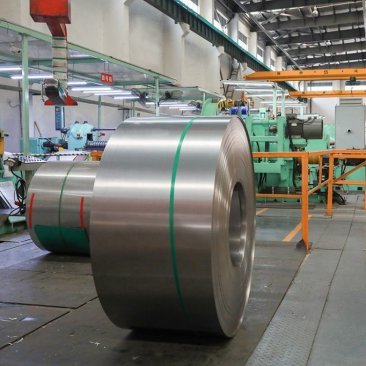
Utilized in automotive components, medical appliances, office equipment, chemical reactors, aerospace, and food processing systems.
Inquire Now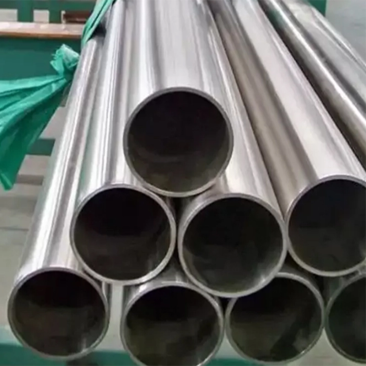
Features carbon content below 0.03%, minimizing chromium carbide precipitation during welding to maintain corrosion resistance.
Inquire Now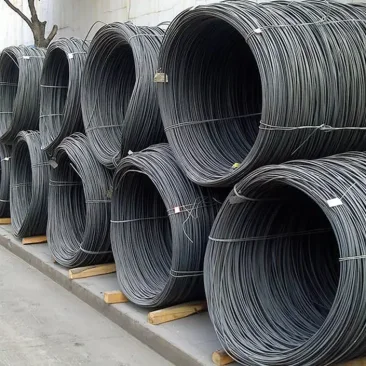
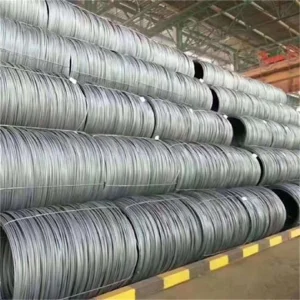
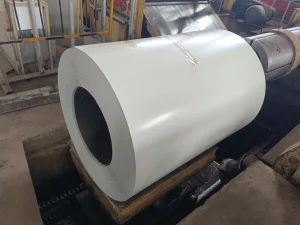
Rolled alloy or non-alloy steel manufactured from semi-finished rectangular, round, or hexagonal sections. Well-suited for subsequent cold drawing.
Inquire Now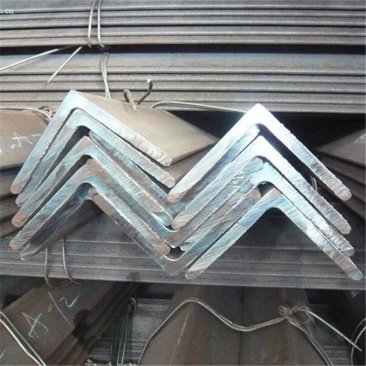
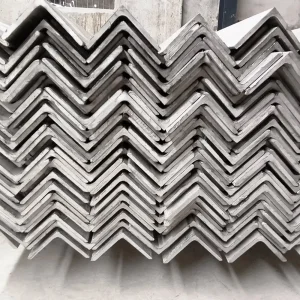
Commonly used to manufacture frame structures, transmission towers, crane assemblies, industrial columns, and structural trusses.
Inquire Now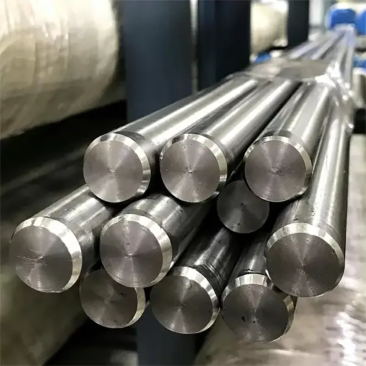
Engineered for high-temperature service and oxidation resistance. Ideal for furnace parts, heat exchangers, and high-temp processing units.
Inquire NowKey technical inquiries regarding 316L processing, properties, and application parameters.
Browse our broader range of structural elements, wire rods, channels, and carbon steel profiles.
 Campfire Steel