Explore our premium structural elements engineered to exact industrial requirements, featuring direct export access and OEM/ODM capacity.
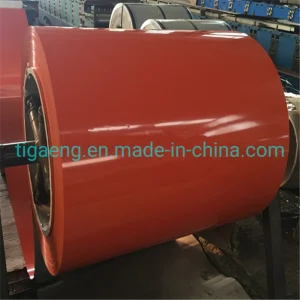
Expanded metal mesh stands out as a key innovation in modern metal processing. Unlike traditional woven wire meshes or perforated metal panels, expanded metal is created by simultaneously slitting and stretching a single solid sheet of metal. This cold-forming process creates open diamonds or other custom apertures without losing any material during production. The resulting product is stronger, lighter, and more rigid than the original flat plate, making it highly valuable in structural, architectural, and industrial engineering worldwide.
At HEIBEI CAMPFIRE STEEL CO., LTD., we understand that structural integrity and customization are critical for engineering projects. As a leading OEM/ODM expanded metal mesh factory and exporter, we offer advanced customization options to meet specific load-bearing requirements, architectural aesthetics, and chemical resistances. Below, we discuss the technical details, manufacturing capabilities, and global application criteria that define high-performance expanded metal mesh.
"The expanding process is zero-waste, saving up to 50% in raw material costs compared to traditional perforation, while maintaining or even increasing structural shear strength per unit of weight."
The performance of expanded metal depends directly on the quality of its base material. As a large-scale steel producer, we use premium raw materials to ensure consistent stretching, even grain distribution, and long-term durability. Our primary materials include:
When ordering expanded metal mesh, standard sizes rarely fit all needs. Our OEM/ODM service allows engineers to customize every dimension of the mesh design:
To ensure our products can be easily integrated into international projects, we manufacture in strict compliance with globally recognized engineering standards. Our production processes adhere to:
The manufacturing landscape is evolving, and our factory is leading the way by investing in new technologies:
We supply the foundation materials for downstream metal expanding, fabrication, and structural engineering projects worldwide.
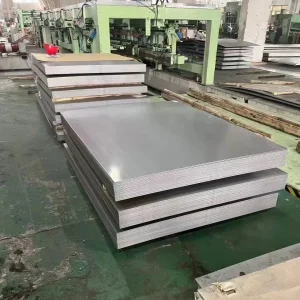
A36 carbon structural steel plates meet American ASTM standards. This material offers reliable mechanical properties, excellent weldability, and corrosion resistance, making it a key component in structural building frames and machinery foundations.
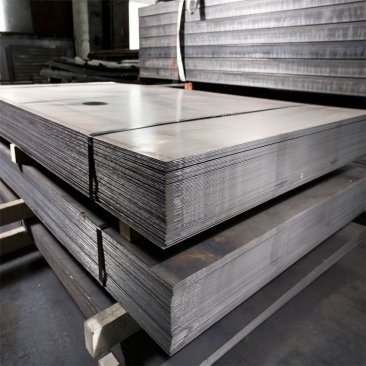
Rebar is designed to reinforce concrete and prestressed concrete structures. Featuring a circular cross-section with ribbed or twisted profiles, it provides strong bonding properties to prevent concrete cracking and structure failure under tension.
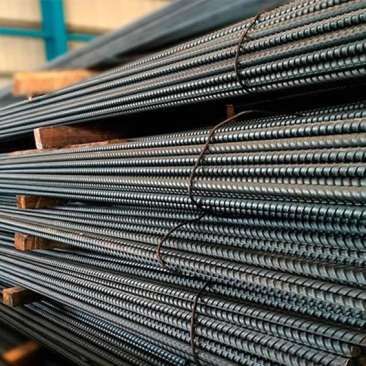
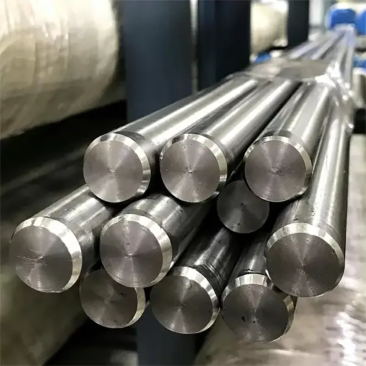
Made from low-alloy steel containing chromium, molybdenum, and manganese. With its high carbon content, AISI 4140 provides an excellent balance of strength, toughness, wear resistance, and impact absorption after heat treatment.
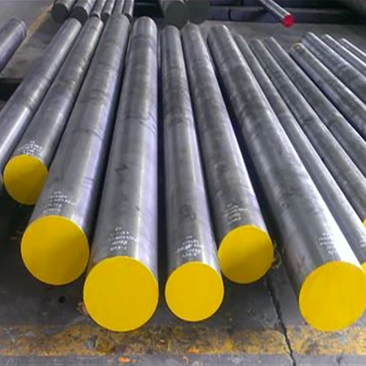
Widely used in automotive parts, kitchenware, medical equipment, electronic devices, chemical processing plants, and marine structures where weldability and resistance to intergranular corrosion are critical.
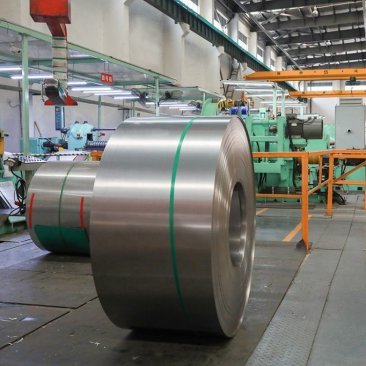
Featuring a low carbon content (max 0.03%), this alloy prevents sensitization during welding. It delivers exceptional resistance to pitting and crevice corrosion in chloride-rich environments like marine structures and chemical processing systems.
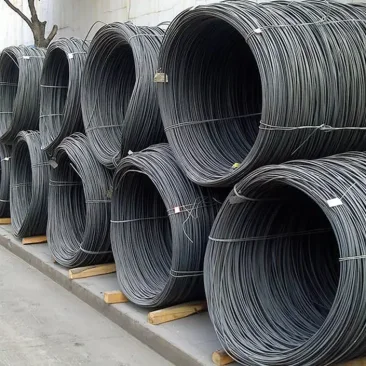
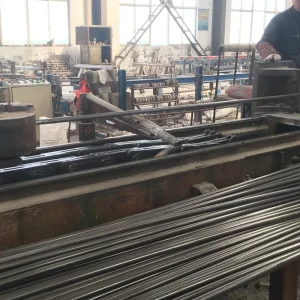
Rolled steel products in alloyed or non-alloyed grades. Manufactured from semi-finished rectangular billets, these wire rods are designed for subsequent cold-drawing to produce precise structural wires and fastener parts.
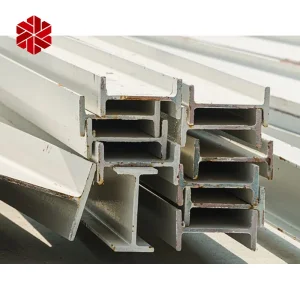
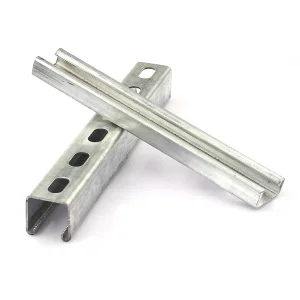
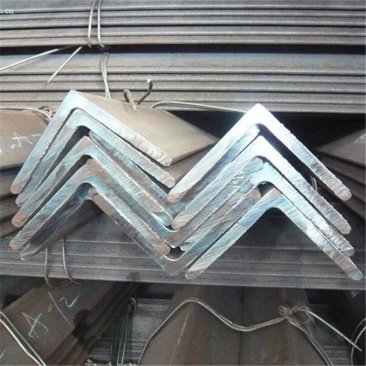
Designed primarily for framing structural systems, such as high-voltage transmission towers, industrial bridge girders, construction cranes, and warehouse shelving systems requiring stable load bearing.
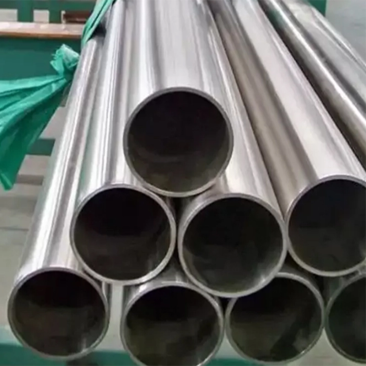
Designed for high-temperature applications, 309 stainless steel bars provide outstanding oxidation resistance, heat strength, and corrosion resistance under extreme cyclic heating environments.
Understanding how different industries utilize expanded metal mesh structures to solve mechanical and physical challenges.
Modern architects use expanded metal mesh for aesthetic facades and solar shading panels. By choosing specific diamond patterns (LWD/SWD) and strand angles, building designers can create passive shading elements that reduce solar heat gain while letting in natural light. This helps lower energy consumption in commercial buildings. Plus, the seamless structure of the mesh offers long-term durability against wind loads and temperature changes.
In petrochemical plants, power facilities, and mining operations, safety is the top priority. Standard expanded metal grating features raised strands that provide excellent slip resistance in wet, icy, or oily conditions. Unlike bar grating, expanded metal is light but strong, which simplifies support frame design and reduces installation costs.
Micro-expanded mesh made from 316L stainless steel or titanium is widely used in chemical processing, oil refining, and water purification. The continuous manufacturing process eliminates weak joints or weld spots that could fail under high pressure. These mesh filters offer consistent pore sizes, smooth flow paths, and are easy to clean, making them perfect for industrial liquid and gas separation.
Machine safety guards must protect workers without blocking visibility or airflow. Expanded metal mesh provides a great balance of open area for ventilation and physical strength to contain debris. Our ODM service delivers pre-cut, framed panels ready to install on industrial equipment and electrical enclosures.
Find clear answers to common questions about expanded metal mesh specifications, manufacturing capabilities, and ordering procedures.
Expanded metal is specified using four main measurements: Long Way of Diamond (LWD), Short Way of Diamond (SWD), Strand Width, and Strand Thickness. You also need to choose the material grade (like A36 carbon steel or 304/316 stainless steel) and decide whether you want a standard (raised) or flattened finish.
Expanded metal is manufactured from a single sheet of metal, creating a continuous, seamless structure without joints or welds. This design prevents unraveling when cut and allows it to distribute loads evenly. Additionally, because the expanding process produces no scrap, it is more cost-effective than using perforated sheet metal.
Yes. As a full-service manufacturer, we offer customized cutting, shearing, bending, and framing services. We also provide various protective finishes, including hot-dip galvanizing, electrostatic powder coating, PVDF coatings, and anodizing to meet the environmental challenges of your project.
HEIBEI CAMPFIRE STEEL CO., LTD. offers a reliable product return guarantee. If the shipped materials do not match the specifications or standards agreed in the contract, we will accept return shipments and arrange replacements or refunds.
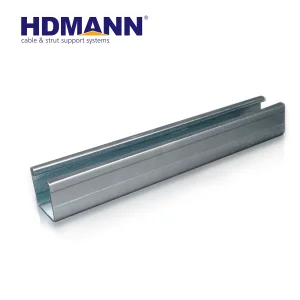
Complete your project specifications with our certified selection of industrial accessories, tool steel components, and structural channels.
 Campfire Steel