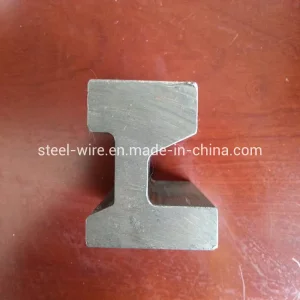
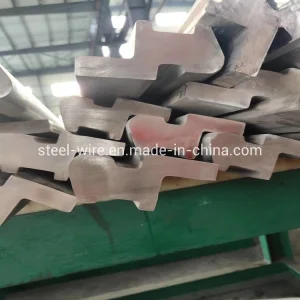
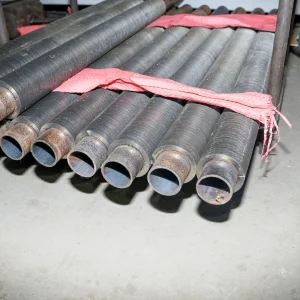
Explore our top-tier selection of industrial steel profiles, forged heavy cylinders, heat exchanger tubes, and structural steel components manufactured under stringent ISO 9001 and PED compliance.
In high-pressure, cryogenic, and corrosive fluid transmission environments, forged steel flanges act as essential structural nodes. Selecting premier manufacturing partners in China requires rigorous technical validation, metallurgical scrutiny, and total compliance verification.
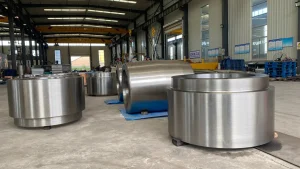
As global energy infrastructure, petrochemical refinement, nuclear power generation, and offshore marine engineering transition toward extreme operational envelopes (exceeding 2,500 Class pressure ratings and temperatures ranging from -196°C to +650°C), traditional cast fittings are increasingly obsolete. Modern engineering projects demand closed-die and ring-rolled forged steel flanges engineered with continuous grain flow alignment, zero internal porosity, and microstructural homogeneity.
Our forging presses leverage computer-controlled hydraulic systems with electro-hydraulic servo valves. This allows real-time force control up to 10,000 Tons, ensuring refined grain refinement through controlled recrystallization cycles during hot forging.
We process carbon steel (ASTM A105, A350 LF2), alloy steel (ASTM A182 F11, F22, F91), and high-alloy stainless/duplex grades (F304/304L, F316/316L, F51/S31803, F53/S32750, 904L, and Nickel Alloys Inconel 625/825).
Integrating Automated Ultrasonic Testing (AUT) and optical dimensional scanning directly into the production line ensures zero surface micro-cracks, dimensional tolerances within ±0.2mm, and 100% volumetric integrity.
China's forging ecosystem has transformed from low-cost casting to ultra-precision metallurgical manufacturing. Below is an exhaustive matrix of the pressure ratings, facing types, and international standards adhered to across our automated forging facilities.
| Standard Specification | Flange Types Available | Pressure Class / Rating | Material Grades (ASTM/EN) | NDT & Quality Inspection |
|---|---|---|---|---|
| ASME B16.5 / B16.47 (Series A & B) |
Weld Neck (WN), Slip-On (SO), Blind (BL), Threaded, Socket Weld (SW), Lap Joint (LJ) | Class 150, 300, 400, 600, 900, 1500, 2500 lbs (NPS 1/2" to 60") | ASTM A105, A350 LF2/LF3, A182 F304/304L, F316/316L, F11, F22, F51, F53 | UT (ASTM A388), PT/MT, Positive Material Identification (PMI), Hardness Testing |
| EN 1092-1 (European Standard) |
Type 01 (Plate), Type 02 (Loose), Type 11 (Weld Neck), Type 05 (Blind), Type 12 (Hubbed Slip-on) | PN6, PN10, PN16, PN25, PN40, PN63, PN100, PN160, PN250, PN320, PN400 | P245GH, P280GH, P305GH, 1.4301 (304), 1.4404 (316L), 1.4462 (Duplex 2205) | EN 10204 3.1/3.2 Certification, Charpy V-Notch Impact Test at -46°C / -196°C |
| DIN Standards (DIN 2527, 2573, 2631-2638) |
Flat Flanges, Welding Neck Flanges, Threaded Flanges, Blank Flanges | PN6 to PN160 bar pressure ratings | C22.8 (1.0460), RSt37-2, 1.4541 (321), 1.4571 (316Ti) | Dimensional inspection via 3D Laser CMM, Hydrostatic Shell Testing |
| API 6A / 17D (Wellhead & Subsea) |
Type 6B, Type 6BX, Companion Flanges, Target Flanges, Blind Flanges | 2,000 PSI, 3,000 PSI, 5,000 PSI, 10,000 PSI, 15,000 PSI, 20,000 PSI | AISI 4130, 4140, 8630 Mod, Inconel 625 Cladded, Super Duplex F55 | Full Volumetric UT, NACE MR0175/ISO 15156 Sour Service HIC/SSCC Testing |
| JIS B2220 (Japanese Industrial) |
SOP (Slip-on Plate), SOH (Slip-on Hub), WN (Welding Neck), BL (Blind) | 5K, 10K, 16K, 20K, 30K, 40K, 63K | SS400, SF440A, SUS304, SUS316, SUS316L | Surface Roughness Measurement (Ra 3.2 - 6.3 µm serrated), Tensile & Yield Testing |
Procurement officers and EPC project managers navigating international supply chains encounter three major challenges: raw material price volatility, quality non-conformance, and delivery schedule slippage. Working directly with top-tier Chinese forging mills resolves these structural bottlenecks.
Every forging originates from prime steel billets purchased directly from tier-one state-owned mills (such as Baosteel, Ansteel, and Shagang Group). Complete heat-number traceability is maintained from the raw ingot stage to the final machined flange. Mill Test Certificates (MTC) conforming strictly to EN 10204 3.1 and 3.2 are issued with full chemical analysis and mechanical testing validation.
Global buyer requirements now mandate low-carbon supply chain partners. Our manufacturing plants utilize clean energy induction heating furnaces instead of legacy coal-fired kilns, cutting carbon intensity per metric ton of forged steel by over 34% compared to standard regional competitors.
HEIBEI CAMPFIRE STEEL CO., LTD. (Operating in coordination with Qingdao Xinzhonglian Steel Co., Ltd.) offers an integrated steel supply ecosystem. Beyond forged flanges, our large-scale mill inventory supports comprehensive engineering procurement across multiple structural, tubular, and long-product categories.
For the steel industry, customer care is not just quality control, on-time delivery, and offering good prices, but also adding real value through the services we provide. We work directly with global customers to continuously improve steel purity and grain structure to help clients obtain more efficient and effective manufacturing processes.
★ Industry Commitment: HEIBEI CAMPFIRE Steel Co., Ltd. is the only supplier that promises to take back products if they are not up to standard. With over 20 years of export experience, we guarantee seamless global delivery.
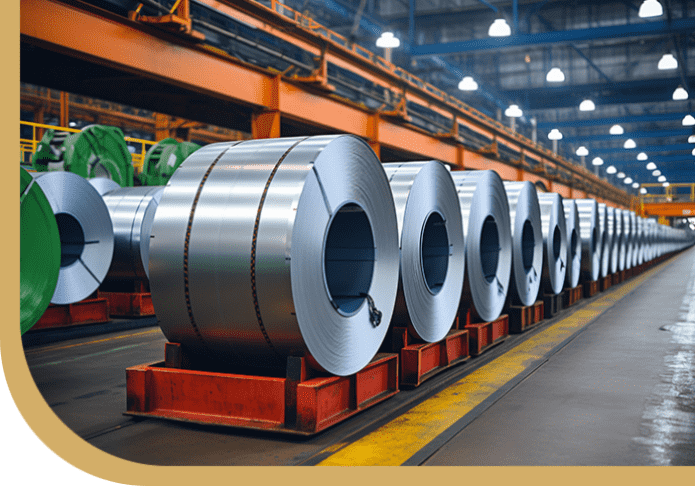
Our key catalog encompasses Carbon Steel Plates, Carbon Steel Coils, Seamless Pipes, Alloy Bars, Stainless Steel Plates, Galvanized Sheets, and Heavy Structural Shapes:
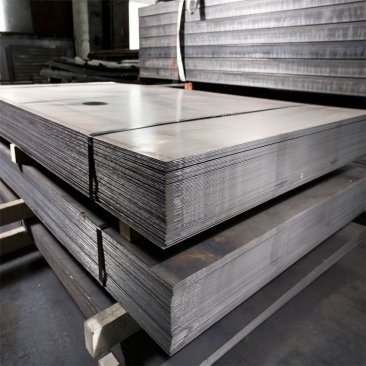
ASTM compliant structural steel plate featuring superior weldability, high tensile yield, and robust atmospheric corrosion resistance.
Product Details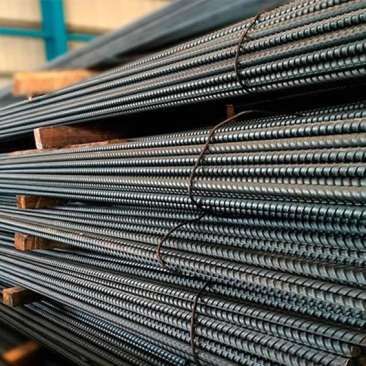
High-yield rebar engineered for reinforced concrete structures, infrastructure foundations, and heavy civil engineering.
Product Details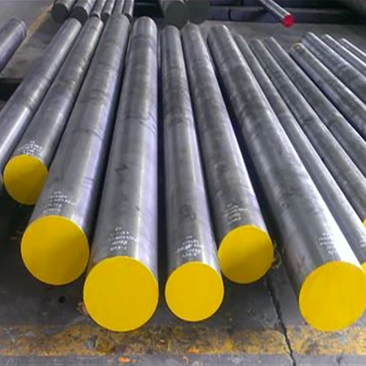
Chromium-moly-manganese alloy steel balancing high fatigue strength, toughness, wear resistance, and heat treatability.
Product Details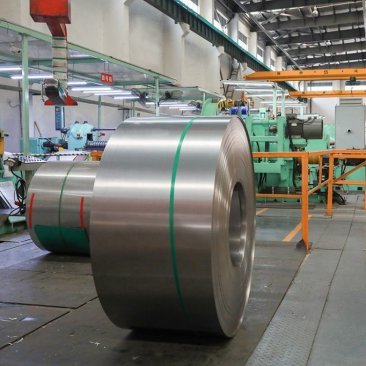
Ultra-low carbon austenitic stainless coil for automotive hardware, chemical vessels, food processing, and medical machinery.
Product Details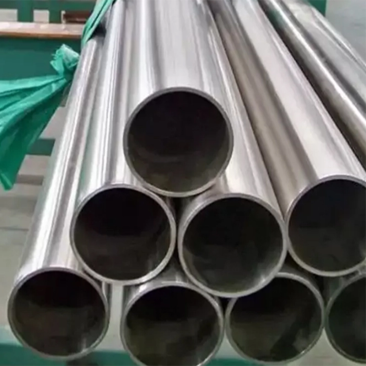
Maximum carbon content 0.03% prevents carbide precipitation during welding, providing peak pitting resistance in marine environments.
Product Details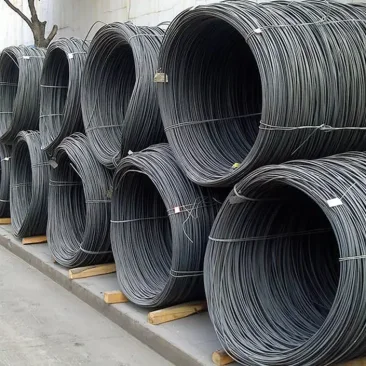
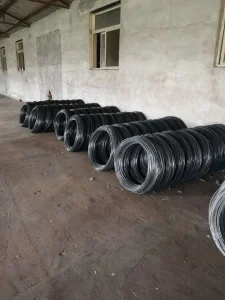
Precision-rolled wire rods in wrapped coils, engineered for cold drawing, fastener manufacturing, and mesh weaving.
Product Details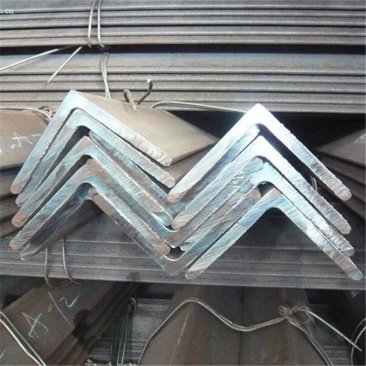
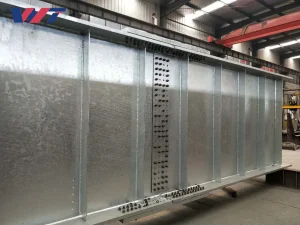
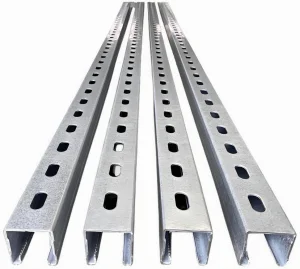
Designed for high-voltage transmission towers, structural bridge frames, tower cranes, and industrial workshop columns.
Product Details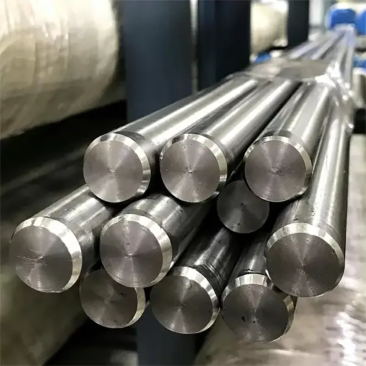
High-chromium-nickel austenitic stainless steel offering superior oxidation resistance and high thermal strength up to 1000°C.
Product DetailsForged steel flanges are critical structural components across challenging industrial projects worldwide. Our custom-engineered solutions directly address the operational stresses of diverse sectors:
Offshore FPSOs, subsea manifolds, and Christmas trees operate under extreme hydrostatic pressures and sour gas ($H_2S$) concentrations. Our API 6A and ASME B16.5 flanges feature full NACE MR0175 compliance and CRA (Corrosion Resistant Alloy) weld overlay cladding using Inconel 625 to prevent stress corrosion cracking.
Steam power plants running at ultra-supercritical parameters mandate high-creep-strength alloy steel flanges (ASTM A182 F91/F92). Our closed-die forging processes ensure strict grain size retention (ASTM E112 Grade 5 or finer) and 100% volumetric X-ray/UT inspection.
As hydrogen gas causes embrittlement in standard carbon steels, our R&D team manufactures specialized low-magnetic permeability stainless (316Lmod) and Duplex F51 flanges with optimized microstructures designed for zero hydrogen permeation at high pressures (up to 700 bar).
Google's Search Quality Rater Guidelines emphasize E-E-A-T (Experience, Expertise, Authoritativeness, and Trustworthiness). Here is how our engineering protocols guarantee absolute reliability for global procurement teams:
We provide complete EXW, FOB, CIF, DDP, and DAP terms for over 150 countries. Our logistics management handles specialized seaworthy packaging—including vacuum sealed moisture barrier foil wrap, heavy-duty wooden crates, and anti-rust varnish coating—ensuring flanges arrive pristine without surface pitting or rust.
★ Risk-Free Quality Guarantee: Direct commercial commitment to refund or replace any material not conforming to agreed technical drawings or MTC standards.
The steel forging industry is undergoing a digital revolution. Over the next decade, our research and development initiative focuses on three foundational pillars:
Using finite element analysis (FEA) software integrated with neural network models, we simulate thermal stresses and plastic deformation during closed-die forging to eliminate internal void formation prior to physical production.
Combining 3D laser metal deposition (LMD) with traditional ring rolling to fabricate complex internal cooling channels within heavy industrial forged flanges for high-heat environments.
Transitioning raw billet melting to direct reduced iron (DRI) powered by 100% green hydrogen, driving absolute carbon neutrality across our supply chain by 2035.
Below are detailed answers to common inquiries from mechanical engineers, procurement heads, and quality assurance inspectors:
Forged steel flanges are manufactured by heating solid steel billets and applying directional mechanical force (via hydraulic hammers or presses). This process refines the grain structure, eliminates gas pockets or internal voids, and aligns the metallurgical grain flow along the shape of the flange. Cast steel flanges, by contrast, are poured liquid steel in molds, making them susceptible to blowholes, shrinkage porosity, and lower fatigue resistance. Forged flanges offer significantly higher tensile strength, impact toughness, and pressure-bearing capability.
For hydrogen sulfide ($H_2S$) rich sour environments in oil and gas production, we strictly control material chemistry and post-weld heat treatment (PWHT). Carbon equivalent (CE) and hardness values are maintained below 22 HRC (237 HBW). Furthermore, materials undergo laboratory validation for HIC (Hydrogen Induced Cracking) per NACE TM0284 and SSCC (Sulfide Stress Corrosion Cracking) per NACE TM0177 to guarantee zero cracking risk.
We machine all standard and custom flange facings according to ASME B16.5 / EN 1092-1 specifications. These include Flat Face (FF), Raised Face (RF) with smooth or serrated finish (125-250 AARH or 3.2-6.3 µm Ra), Ring Type Joint (RTJ) grooves (R, RX, BX series), Male-and-Female (M&F), and Tongue-and-Groove (T&G).
We regularly host third-party inspection agencies appointed by global clients, including SGS, Bureau Veritas (BV), TÜV Rheinland, DNV GL, Intertek, and Lloyd's Register. TPI inspectors verify raw material heat tags, witness mechanical testing, audit NDT procedures, verify dimensions, and stamp EN 10204 3.2 certificates.
Standard lead times range from 15 to 25 business days depending on grade availability and thermal processing requirements. For urgent shutdown or maintenance orders, our rapid response forge line can expedite production to 7-10 days with air freight packaging options.
Flanges undergo multi-layer protective processing: machining faces are coated with rust-preventative varnish or heavy grease, fitted with plastic end covers/protectors, shrink-wrapped in heavy VCI anti-rust plastic, and secured inside ocean-worthy IPPC ISPM-15 heat-treated wooden boxes steel-banded to prevent shifting.
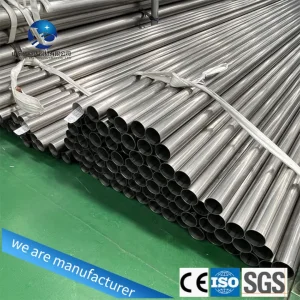
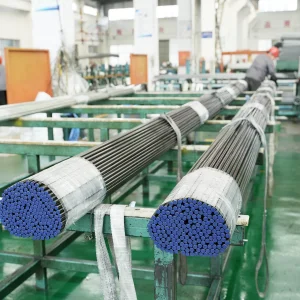
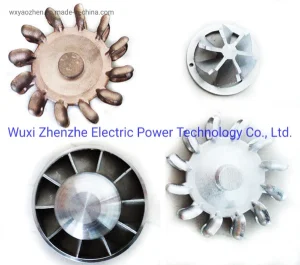
Browse the remainder of our engineered product lines, including high-pressure alloy tubes, investment castings, stainless sheets, and structural metal profiles.
 Campfire Steel