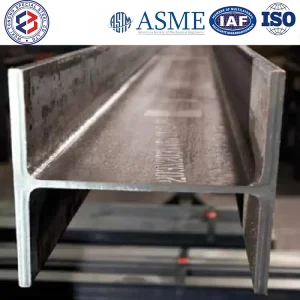
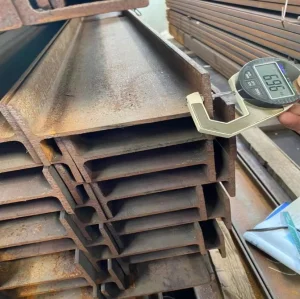
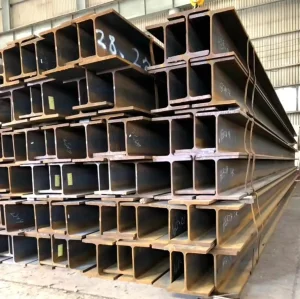
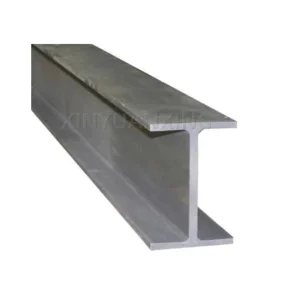
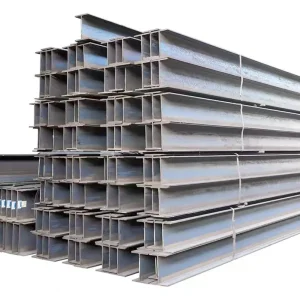
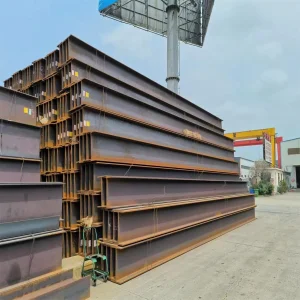
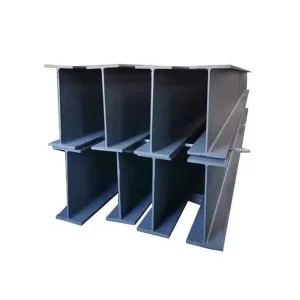
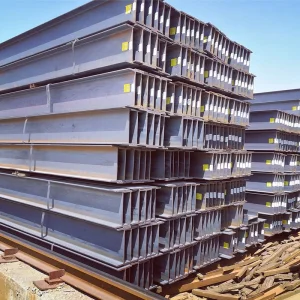
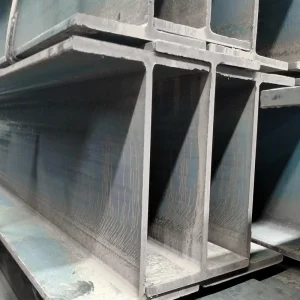
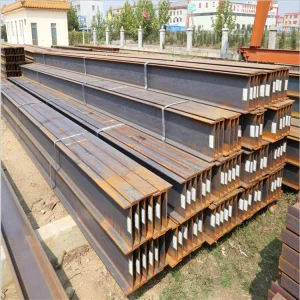
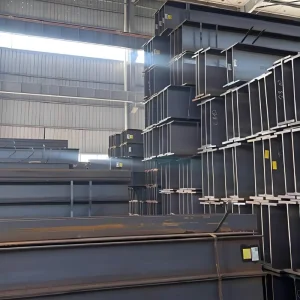
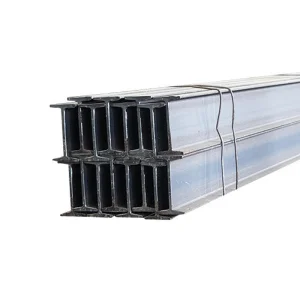
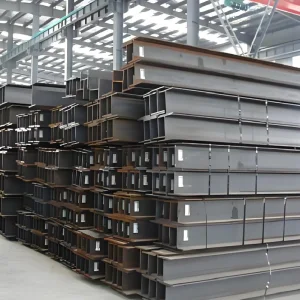
H-beams, also known as universal beams, represent the pinnacle of structural efficiency in the steel industry. Unlike traditional I-beams, the wide flange design of the H-beam provides superior load-bearing capacity and resistance to bending in multiple planes.
The global demand for structural steel is projected to grow by 5.5% annually. From the sprawling skylines of Dubai and New York to the massive industrial parks in Southeast Asia, H-beams are the essential component for skyscrapers, bridges, and heavy machinery frames.
"As urban population density increases, the demand for high-rise steel-framed structures has positioned H-beam manufacturing as a critical strategic industry for national development."
The industry is shifting towards EAF (Electric Arc Furnace) production to reduce carbon footprints. Modern H-beam manufacturers are integrating recycled steel scrap and renewable energy sources into their smelting processes to meet international ESG standards.
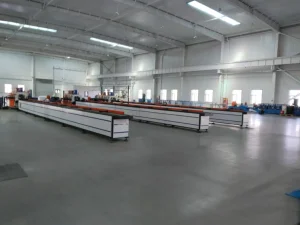
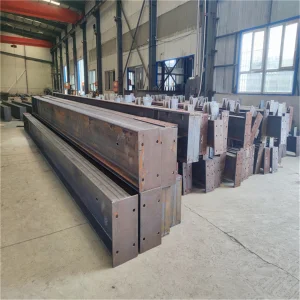
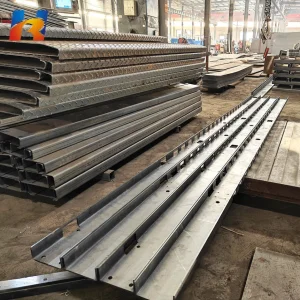
Off-site prefabrication is the new norm. H-beams are now being precision-cut and pre-drilled using CNC technology before leaving the factory, allowing for rapid "Leg-like" assembly on construction sites, reducing labor costs by up to 30%.
Beyond standard Q235B or A36, there is a rising demand for high-strength low-alloy (HSLA) steels like Q355D and S355JR. These materials offer better toughness in low-temperature environments, essential for arctic engineering and oceanic oil platforms.
Buyers now require full traceability. Top exporters utilize QR codes on each beam, linking to heat numbers, mill test certificates (MTC), and chemical analysis reports, ensuring total quality assurance across the global supply chain.
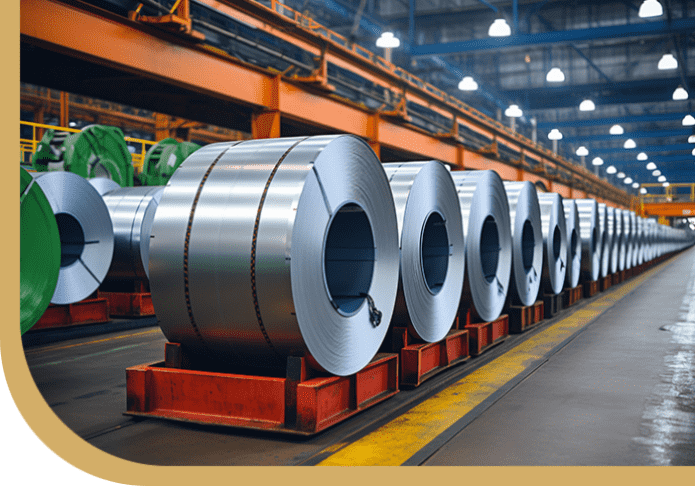
Global procurement teams from Europe, the Middle East, and the Americas face mounting pressure to balance cost and quality. China’s steel industry has transformed from a volume leader to a high-end quality pioneer.
For the steel industry, customer care is not just quality control, on-time delivery and offering good price, but also adding value through the services we provide. We work with customers to continuously improve steel quality to help customers obtain more efficient and effective manufacturing processes.
HEIBEI CAMPFIRE Steel Co., Ltd. is also the only company that promises to take back products if they are not up to standard. We have been engaged in export trade for more than 20 years and have rich experience in this field.
Years of Industrial Excellence
Dedicated Professional Staff
Export Destination Countries
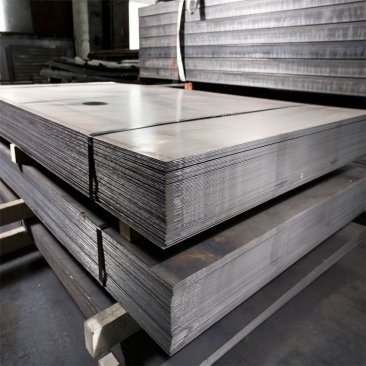
ASTM standard structural plate with excellent weldability.
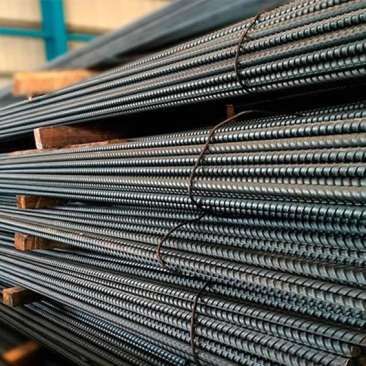
Ribbed reinforcement for prestressed concrete structures.
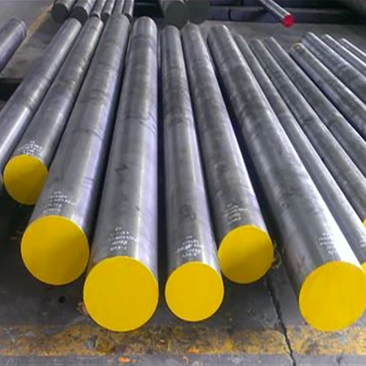
Chromium-molybdenum-manganese low alloy steel.
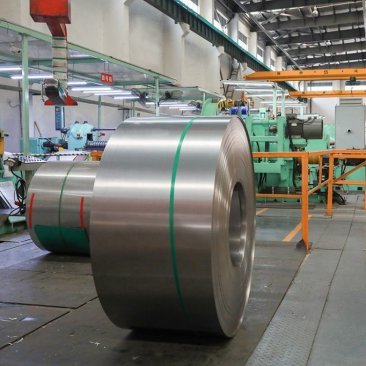
Anti-corrosive solution for hardware and medical tools.
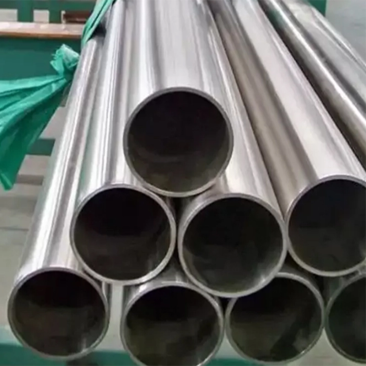
Low carbon composition for maximum corrosion resistance.
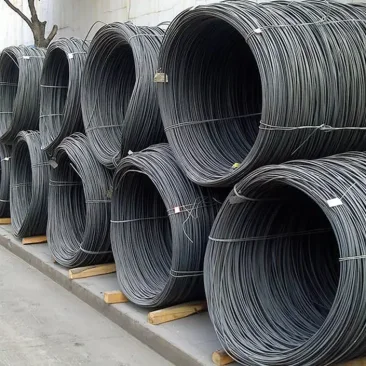
High-quality rolled steel for sequent cold drawing.
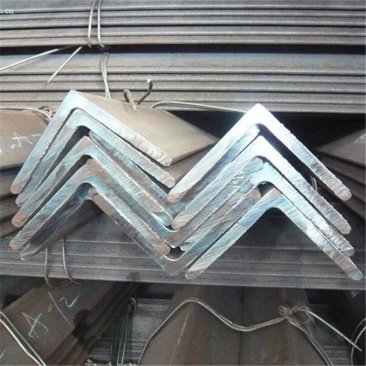
Ideal for transmission towers and workshop beams.
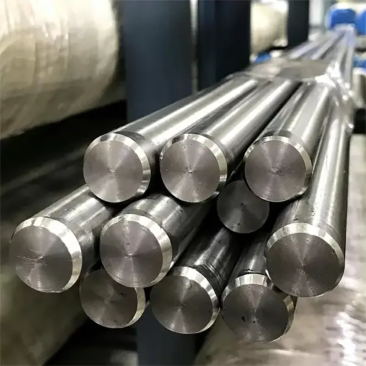
Excellent performance in high-temperature environments.
Understanding the difference between HEA, HEB, and IPE sections is crucial for architectural integrity. HEA beams (Light Type) offer a lighter profile with high structural efficiency, whereas HEB (Standard Type) provides significantly thicker flanges for heavy load-bearing requirements in industrial plants and high-rise foundations. Our facility specializes in all three types, ensuring that structural engineers can optimize their designs for weight saving without compromising safety.
Hot Rolled vs. Welded H-Beams: Hot-rolled H-beams are formed as a single piece of steel, providing uniform strength and internal stress distribution. This is ideal for most commercial buildings. Welded H-beams, however, allow for custom "tailored" sizes that hot-rolling mills cannot produce. By using submerged arc welding (SAW) technology, we can create massive H-sections with varying web heights and flange widths for specialized bridge and stadium projects.
Material Science & Sustainability: With the global push for Carbon Neutrality, our factory has upgraded to high-strength carbon steel grades such as Q355B and S355JR. These materials allow for thinner sections to carry the same load as thicker Q235B beams, effectively reducing the total volume of steel used in a project by up to 15%. This not only reduces material costs but also minimizes transportation emissions and the overall environmental impact of construction.
Anti-Corrosion Excellence: For projects in coastal regions or high-humidity environments, we offer Hot-Dip Galvanization (HDG). Our process involves immersing the H-beam in a bath of molten zinc at 450°C, creating a metallurgical bond that protects the steel from rust for over 50 years. This "zero-maintenance" solution is the preferred choice for overseas buyers in the mining and marine sectors.
 Campfire Steel