Engineered for extreme yield loads, seismic resilience, and critical structural applications.
An analytical breakdown of yield strength thresholds, tonnage migration, and modern industrial demand.
The global steel industry is experiencing a profound paradigm shift. Infrastructure developers, automotive OEMs, heavy machinery manufacturers, and marine energy engineering firms are rapidly replacing conventional structural carbon steels (such as legacy S235 or A36) with High-Strength Steels (HSS) and Advanced High-Strength Steels (AHSS). This migration is driven by a dual mandate: structural weight reduction (mass optimization) and carbon footprint abatement.
High-Strength Low-Alloy (HSLA) and Thermo-Mechanically Controlled Processed (TMCP) steels offer yield strengths ranging from 355 MPa to over 1100 MPa, compared to the standard 235 MPa of traditional structural grades. By leveraging refined grain structures through micro-alloying additives (such as Niobium, Titanium, and Vanadium), engineers can reduce section thickness by up to 40% without compromising load-bearing capacity, buckling resistance, or fatigue life.
| Steel Classification Grade | Yield Strength (ReH, MPa) | Tensile Strength (Rm, MPa) | Elongation (A5, %) | Primary Industrial Application |
|---|---|---|---|---|
| S355JR / Q355B / A572-50 | ≥ 355 | 470 – 630 | ≥ 22 | Heavy structural framing, bridge girders, H-Beams. |
| S460QL / Q460E | ≥ 460 | 550 – 720 | ≥ 17 | High-rise building columns, offshore platforms, wind towers. |
| S690QL / Weldox 700 | ≥ 690 | 770 – 940 | ≥ 14 | Mobile crane booms, mining dump bodies, heavy trailers. |
| S960QL / Strenx 960 | ≥ 960 | 980 – 1150 | ≥ 10 | Ultra-light lifting equipment, specialized chassis. |
| Dual-Phase DP780 / DP980 | 450 – 700 | ≥ 780 / ≥ 980 | ≥ 12 | Automotive crumple zones, side impact beams, B-pillars. |
As depicted in the matrix above, selecting the appropriate structural grade requires balancing yield behavior against ductility and weldability. Premium global manufacturers must maintain rigorous thermo-mechanical rolling controls to ensure that higher tensile performance does not induce hydrogen-assisted cold cracking or loss of notch toughness at sub-zero temperatures (e.g., -40°C Charpy V-notch testing).
Next-generation phase-transformation control, ultra-pure clean steel chemistry, and green production pathways.
Modern high-strength steel mills utilize precise online accelerated cooling (ACC) immediately following multi-pass hot rolling. By controlling the transformation temperature, mill metallurgists can craft specific multiphase microstructures—such as acicular ferrite, fine tempered martensite, and bainite. This sophisticated thermodynamic control yields superior yield strength ratios while eliminating the need for expensive secondary off-line heat treatments.
Historically, increasing steel strength required increasing carbon content, which compromised field weldability. Modern high-strength micro-alloyed steels keep carbon levels below 0.08 wt% and utilize small additions of Nb, V, and Ti. The carbon equivalent value is calculated via standard formulas:
CEV (IIW) = C + Mn/6 + (Cr + Mo + V)/5 + (Ni + Cu)/15
CET = C + (Mn + Cr)/10 + (Mo + Cu)/20 + Ni/40
By keeping the CEV beneath 0.42%, high-strength beams, plates, and hollow sections can be welded onsite using conventional GMAW/SMAW processes with minimal preheating requirements.
Transitioning from blast furnace-BOF routes to Electric Arc Furnaces (EAF) powered by 100% Green Hydrogen Direct Reduced Iron (DRI) to achieve zero embodied carbon structural steel by 2030.
Utilizing titanium oxide and vanadium nitride nano-precipitates to pin austenitic grain boundaries at 1200°C, preventing heat-affected zone (HAZ) grain growth during high-heat input welding.
Real-time surface defect detection using computer vision neural networks integrated with online ultrasonic thickness and internal flaw scanning systems running at mill speeds of 15 m/s.
Why leading global EPC contractors source high-strength steel profiles and plates from Chinese manufacturing hubs.
China's steel manufacturing ecosystem has evolved from high-volume standardized production into an advanced, value-added metallurgical powerhouse. Modern Chinese mills in coastal provinces like Shandong, Hebei, and Jiangsu feature fully integrated blast furnace to continuous rolling production lines with automated gauge control and automated chemical dosing systems.
The competitive advantage of sourcing high-strength steel (including S355, Q355B, S275JR, 316L, and specialized alloy bars) from top-tier Chinese manufacturers rests on four key pillars:
Field-proven deployments of high-strength structural profiles across demanding operating environments.
High-yield cold-drawn round bars, DP steel sheets, and alloy die forgings (4140, 17-4PH) are essential for axle shafts, crash structures, engine mounts, and heavy truck chassis frames. High yield limits ensure structural recovery after peak road dynamic shock loads.
Telescopic crane booms and excavator bucket arms demand extreme strength-to-weight ratios. Utilizing quenched and tempered S690QL and S960QL plate profiles reduces deadweight, allowing higher payload capacity and extended reach for boom arms without structural flexure.
Subsea pipelines, offshore jackets, and floating wind turbine foundations require marine-grade corrosion resistance combined with high yield limits. Materials such as 316L, 2205 Duplex, and heavy S355J2 H-Beams offer exceptional fatigue resistance in aggressive saltwater splash zones.
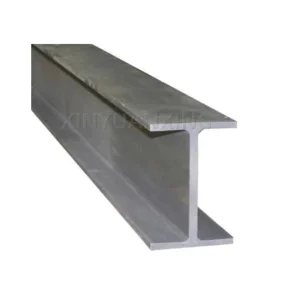
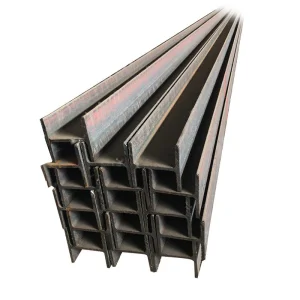
High-rise building cores rely on standardized European and ASTM H-Beams (S355JR, Q355B, W6x9, HE140B) and high-yield rebar matrix structures. Superior elongation capabilities allow structures to safely dissipate seismic energy during earthquake events.
Industrial heat exchangers, cracking furnaces, and high-temperature ductwork utilize heat-resistant 310S stainless steel coils and 309S solid bars. These alloys maintain high creep rupture strength at operational temperatures exceeding 1000°C.
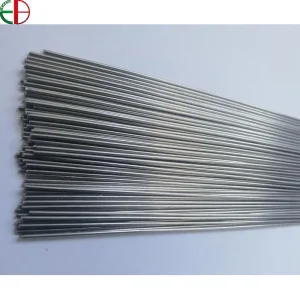
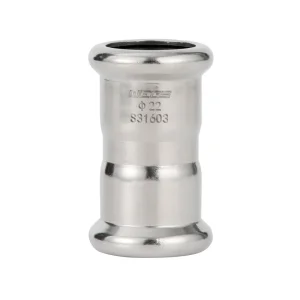
High-precision 304/316L slotted wedge wire filter elements and press pipe fitting couplings ensure zero-leakage fluid transfer in municipal water treatment, food and beverage processing, and fire protection systems.
Harmonizing global material standards to streamline cross-border structural engineering projects.
Navigating global supply chains requires precise cross-referencing of international structural steel standards. A material specified under European EN norms must match or exceed equivalent ASTM or GB specifications in yield strength, chemical purity, and impact toughness.
| European Standard (EN) | American Standard (ASTM) | Chinese Standard (GB/T) | Japanese Standard (JIS) | Equivalent Grade Status |
|---|---|---|---|---|
| EN 10025-2 S275JR | ASTM A36 / A283 Gr.D | GB/T 700 Q275B | JIS G3101 SS490 | Direct Structural Equivalent |
| EN 10025-2 S355JR / J2 | ASTM A572 Grade 50 | GB/T 1591 Q355B / Q355D | JIS G3106 SM490A | High-Strength Structural Standard |
| EN 10025-6 S690QL | ASTM A514 Grade F/Q | GB/T 1591 Q690E | JIS G3128 SHY685 | Quenched & Tempered Ultra-High Yield |
| EN 10088-3 X5CrNi18-10 (1.4301) | ASTM A276 Type 304 | GB/T 1220 06Cr19Ni10 | JIS G4303 SUS304 | Austenitic Stainless Steel Standard |
All structural steel shipments are accompanied by EN 10204 Type 3.1 or 3.2 Mill Test Certificates (MTC), detailing heat batch chemistry (spectro-analysis), mechanical tensile testing, elongation percentages, and Charpy V-notch impact energy values (tested at -20°C or -40°C depending on specification requirements).
HEBEI CAMPFIRE STEEL CO., LTD. / Qingdao Xinzhonglian Steel Co., Ltd. Supply Chain Matrix
For the steel industry, customer care is not just quality control, on-time delivery, and offering good prices, but also adding value through the services we provide. We work with customers to continuously improve steel quality to help customers obtain more efficient and effective manufacturing processes.
HEBEI CAMPFIRE STEEL CO., LTD. is also the only company that promises to take back products if they are not up to standard. We have been engaged in export trade for more than 20 years and have rich experience in this field.
Our major product lines include: Carbon Steel Plate, Carbon Steel Coil, Carbon Steel Pipe, Carbon Steel Bar, Stainless Steel Plate, Stainless Steel Coil, Stainless Steel Pipe, Color Coated Coil, Color Tile, Galvanized Sheet, Galvanized Coil, Galvanized Roofing, and Zinc Profiles. Relying on diverse product lines, large stock inventory, superior quality, short delivery times, and comprehensive after-sales support, we deliver decisive structural advantages to international engineering clients.
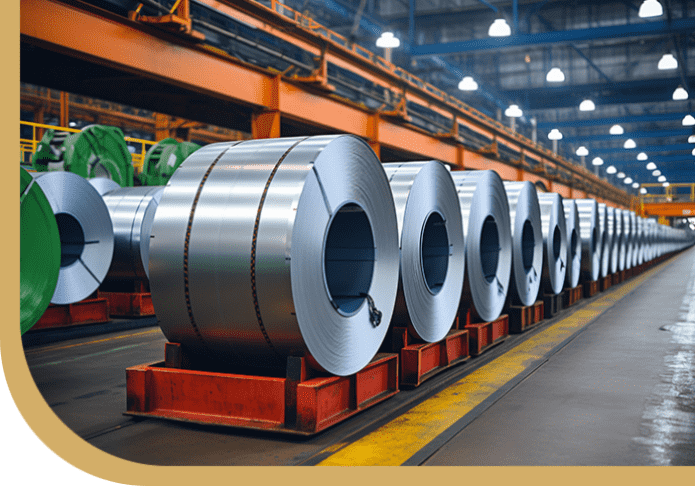
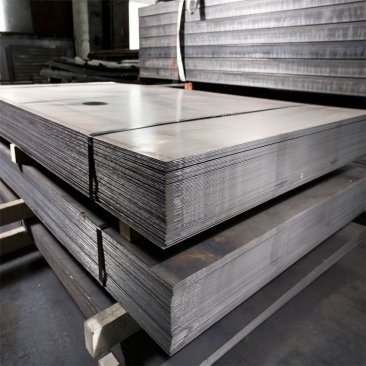
A36 is a structural carbon steel plate with excellent weldability and machinery performance according to ASTM standards...
Learn More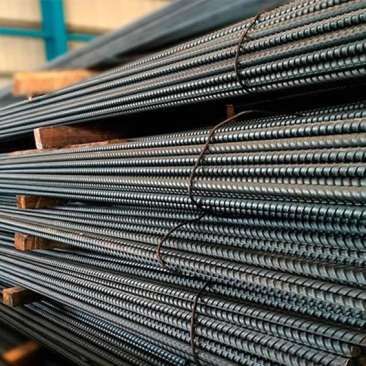
Steel rebar used for prestressed concrete structural reinforcement. Available in plain round, ribbed, and deformed profiles...
Learn More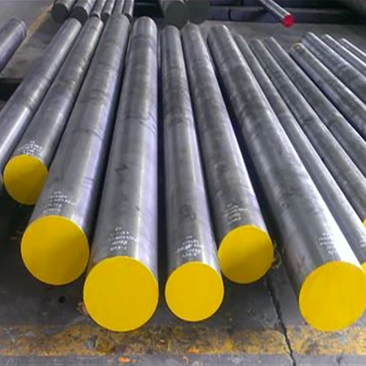
Chromium-molybdenum alloy steel offering exceptional toughness, impact resistance, and high fatigue strength...
Learn More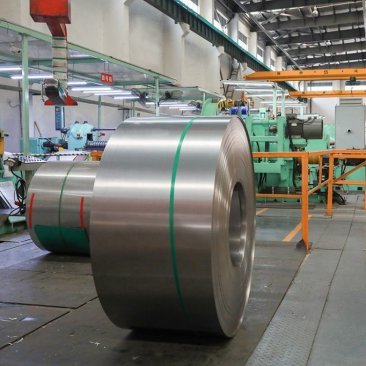
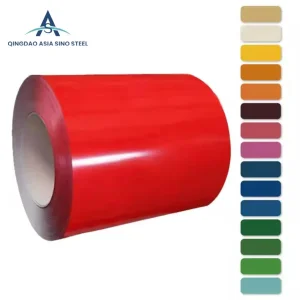
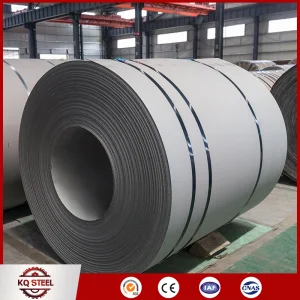
Low-carbon austenitic stainless steel coil, engineered for automotive accessories, hardware tools, and chemical vessels...
Learn More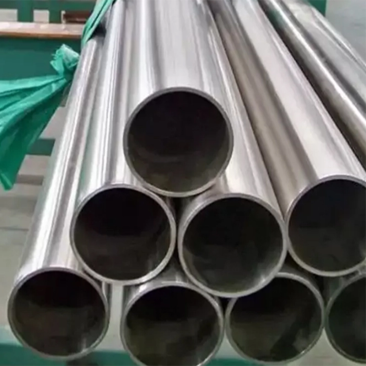
Features carbon content below 0.03% to prevent carbide precipitation during welding, maximizing corrosion resistance...
Learn More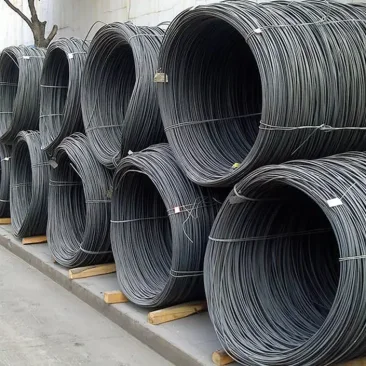
Rolled steel product manufactured from semi-finished billets. Ideal for subsequent cold drawing into specialized wire meshes...
Learn More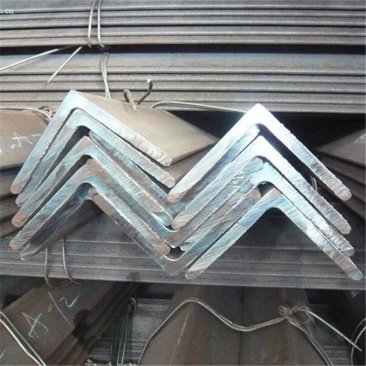
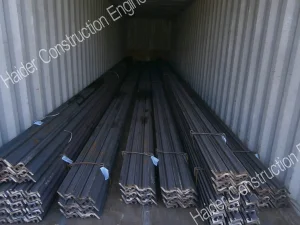
Structural L-profiles utilized for high-voltage transmission towers, bridge main beams, crane booms, and industrial frames...
Learn More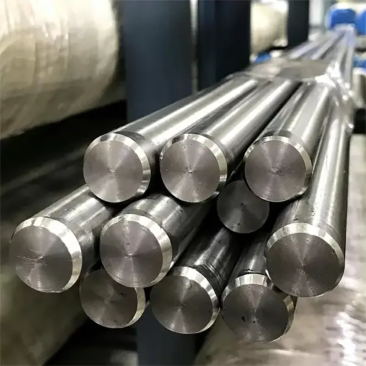
Heat-resistant stainless steel solid round bars engineered to maintain mechanical integrity under high operating temperatures...
Learn MoreAddressing engineering inquiries regarding material selection, weldability, tolerances, and supply logistics.
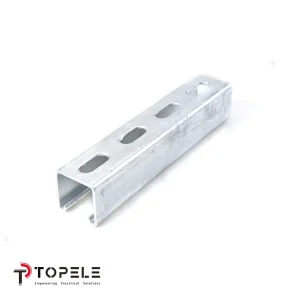
Precision-engineered channels, expansion profiles, tool steel bars, and specialized heat-resistant alloys.
 Campfire Steel