High-precision carbon steel, stainless steel, and forged components engineered for heavy equipment, hydraulics, and structural integrity.
In the high-stakes realm of global manufacturing, evaluating the Top 10 Precision Casting Exporter & Exporters requires moving far beyond surface-level unit pricing. Modern industrial procurement managers, OEM design engineers, and supply chain executives must analyze foundry capabilities through the lenses of metallurgical purity, dimensional repeatability, Non-Destructive Testing (NDT) rigor, and international trade compliance.
Precision casting—primarily led by Investment Casting (Lost Wax Process) using Silica Sol or Water Glass binders—represents the pinnacle of complex near-net-shape metal fabrication. Unlike standard sand casting or heavy machining from solid billets, precision investment casting delivers intricate geometric features, internal flow channels, thin-walled profiles, and exceptional surface finishes (Ra 3.2 µm to Ra 6.3 µm) with minimal post-machining waste.
Key Technical Takeaway: A top-tier precision casting exporter must demonstrate strict compliance with ISO 8062 dimensional tolerances (Classes CT4 to CT6), complete heat-treatment metallurgical control (Quenching, Tempering, Solution Annealing), and 100% material traceability back to the melt furnace via EN 10204 3.1 Mill Test Certificates.
Understanding the engineering distinction between Silica Sol casting, Water Glass processes, and high-energy precision forging.
Utilizes premium zircon flour and silica sol binders to form ultra-smooth ceramic shells. Ideal for high-alloy stainless steels (304L, 316L, Super Duplex UNS S32760), aerospace brackets, and medical spools requiring tight tolerance (CT4-CT5) without post-machining.
Employs sodium silicate as the primary binder. Excellent for medium-to-large carbon steel components (A36, Q235B, Q355B) and heavy machinery brackets. Offers exceptional cost efficiency while delivering superior dimensional accuracy over conventional sand casting.
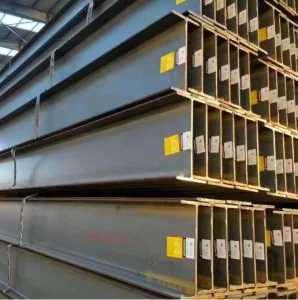
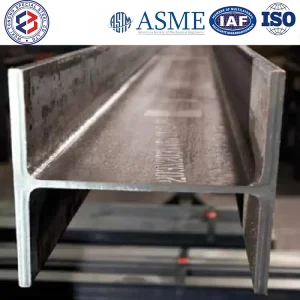
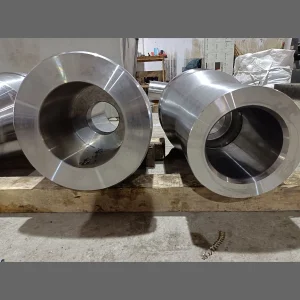
For applications experiencing severe cyclic fatigue, high shock loads, or structural pressure (such as hydraulic valve sleeves and structural H-Beams). Forging refines grain flow along stress contours, maximizing yield strength and fracture toughness.
The global industrial landscape relies heavily on Chinese precision casting exporters due to a unique convergence of upstream raw material integration, complete tooling infrastructure, advanced CNC machining clusters, and unrivaled scalability. Leading exporters in China are no longer merely low-cost suppliers; they are key co-engineering partners for Fortune 500 equipment manufacturers.
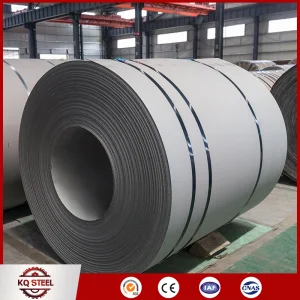
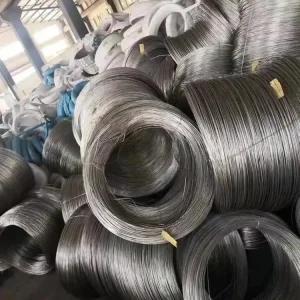
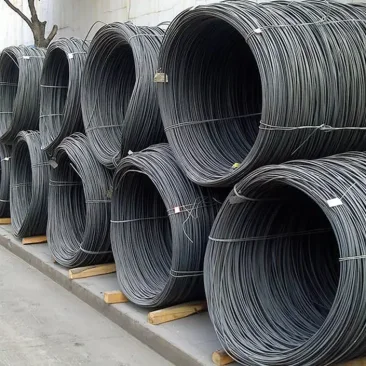
China accounts for over 50% of the world's primary steel and alloy production. Major precision foundries are situated within dense metallurgical hubs, allowing immediate access to certified carbon steel, heat-resistant alloy coils (e.g., ASTM A240 SUS 310S), low carbon wire rods (SAE 1006/1008), and specialized alloy steel bars (AISI 4140). This integration minimizes raw material price volatility and guarantees consistent batch-to-batch chemical composition.
By leveraging 3D printed wax patterns and 5-axis CNC aluminum mold carving, Chinese precision casting exporters can reduce prototype development lead times from 12 weeks down to just 14 days. This agility allows global procurement teams to shorten product launch cycles significantly.
Near-net-shape castings often require micron-level tolerances on critical sealing faces or bearing bores. Top Chinese foundries operate in-house machine shops equipped with horizontal machining centers (HMC), vertical lathes, and high-precision cylindrical grinders, ensuring complete control over the finished part without third-party outsourcing delays.
Engineered selection guide mapping alloy grades against casting processes, dimensional tolerance classes, and target engineering applications.
| Material / Grade Standard | Casting / Forming Process | Tolerance Class | Tensile Strength (MPa) | Primary Industrial Application |
|---|---|---|---|---|
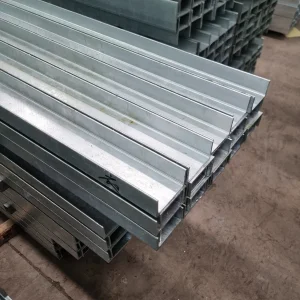
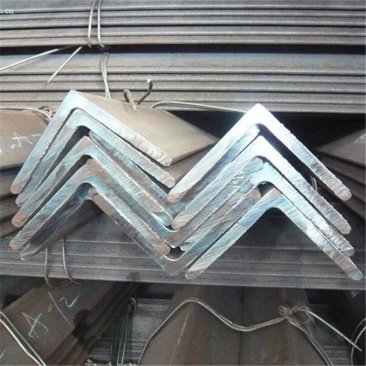
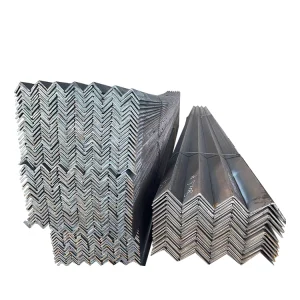
| ASTM A36 / SS400B / Q235B | Water Glass / Hot Rolled | ISO CT6 - CT8 | 400 - 550 MPa | Structural H-Beams, Construction Brackets, U-Channels |
| AISI / SAE 4140 Alloy Steel | Silica Sol / Investment Casting | ISO CT4 - CT6 | ≥ 850 MPa (Q&T) | High-Stress Mechanical Arms, Heavy Gear Blanks, Shafts |
| SUS 310S / 309S Heat Resistant Stainless | Silica Sol Lost Wax | ISO CT4 - CT5 | ≥ 520 MPa | Furnace Components, Heat Exchangers, Petrochemical Baskets |
| 316L / 304L Austenitic Stainless | Silica Sol / Precision Vacuum Cast | ISO CT4 - CT5 | ≥ 485 MPa | Marine Hardware, Vacuum KF Bulkhead Clamps, Chemical Valves |
| Super Duplex UNS S32760 (1.4501) | High Precision Investment Cast | ISO CT4 - CT5 | 750 - 1000 MPa | Offshore Oil & Gas Pumps, High-Salinity Desalination Valves |
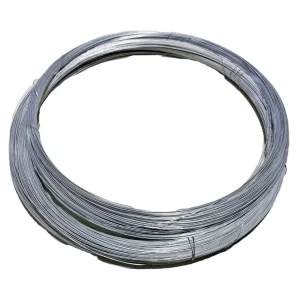
| SAE 1006 / SAE 1008 Low Carbon | Cold Drawn / Precision Rolled | ISO CT5 - CT7 | 330 - 450 MPa | Binding Wires, High-Toughness Fasteners, Automotive Rods |
For the global steel and casting industry, customer care extends far beyond initial quality control, on-time delivery, and competitive pricing—it is about creating long-term structural value. We partner directly with international procurement teams to continuously refine metallurgical quality, streamline manufacturing workflows, and reduce Total Cost of Ownership (TCO). HEIBEI CAMPFIRE Steel Co., Ltd. stands as an industry leader with an exclusive quality guarantee: we promise full return and replacement accountability if products fail to meet agreed specifications.
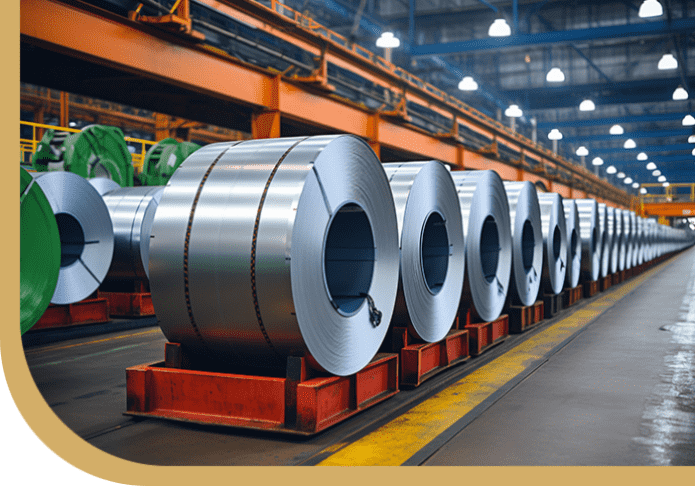
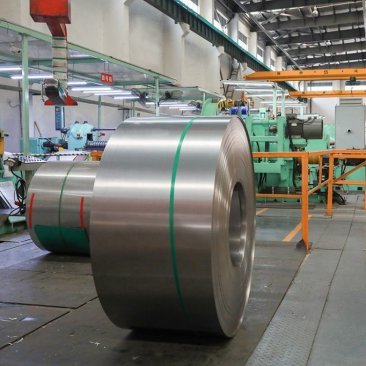
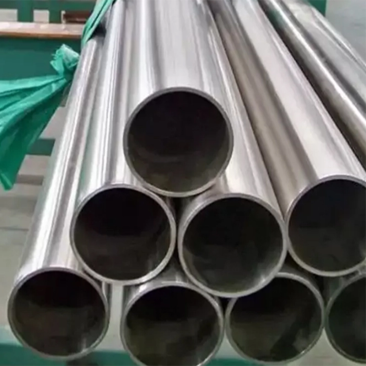
Explore our full line of carbon steel plates, alloy bars, stainless coils, and structural sections certified for global delivery.
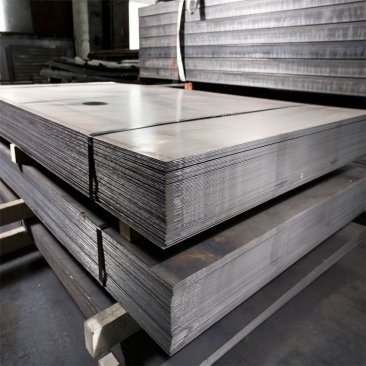
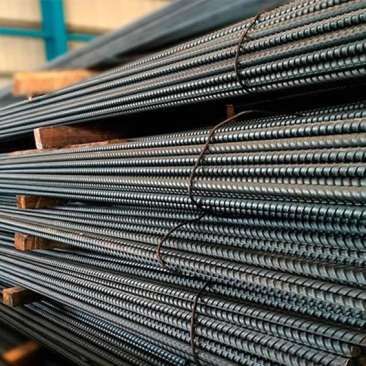
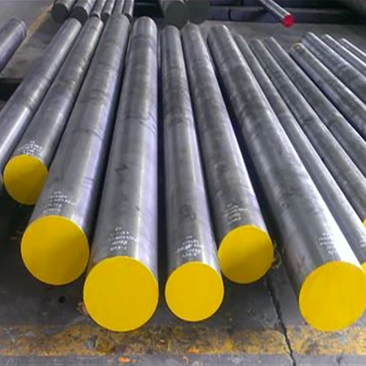
Cross-border procurement of precision castings requires strict adherence to regional engineering norms and international regulatory mandates. Top-tier exporters support global buyers through localized technical documentation, customized packaging, and rigorous quality assurance protocols.
A reputable Chinese precision casting exporter maintains dual or triple certifications enabling products to comply natively with global engineering standards:
To ensure zero internal micro-porosity, shrinkage defects, or inclusions, casting components undergo comprehensive NDT inspection pathways based on component criticality:
X-ray and Gamma-ray inspection to detect subsurface gas porosity, internal shrinkage, and core voids in pressure-retaining components.
High-frequency sound wave evaluation ensuring internal sound structural thickness and detecting planar discontinuities in heavy forging sleeves.
Surface and near-surface crack detection for critical hydraulic valve spools, aerospace fittings, and high-torque steel shafts.
Leading exporters manage localized duty-paid delivery (DDP), customs clearing documentation, VMI (Vendor-Managed Inventory) warehousing in Europe and North America, and specialized anti-corrosion packaging (VCI plastic wrapping + seaworthy fumigated wooden crates) to ensure zero rust upon arrival.
How digital transformation, artificial intelligence, and green manufacturing are reshaping investment casting foundries.
By utilizing AI thermal modeling software (such as MAGMASOFT and ProCAST), engineers simulate molten metal flow, thermal gradient cooling, and shrinkage patterns prior to cutting steel tooling, reducing trial-and-error scrap rates to under 0.5%.
Automated climate-controlled dipping rooms utilize robotic arms for precise shell coating consistency. This guarantees uniform shell wall thickness, preventing mold wall movement during high-temperature metal pouring.
Leading Chinese exporters are transitioning toward Electric Arc Furnaces (EAF) powered by green energy grids and clean scrap recycling, significantly lowering the embodied carbon footprint per ton of cast metal to meet European CBAM compliance.
Technical solutions to common challenges faced by international engineering and purchasing teams.
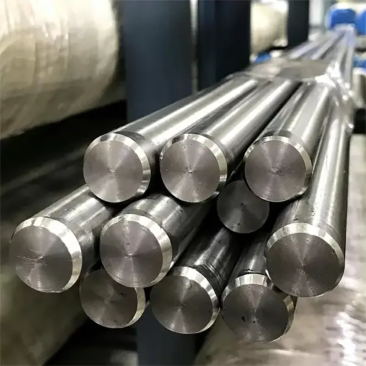
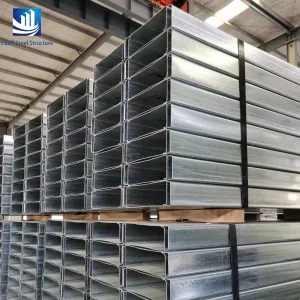
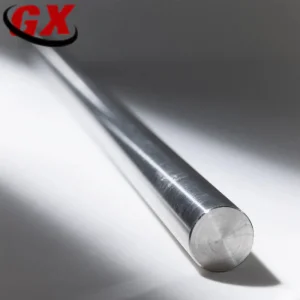
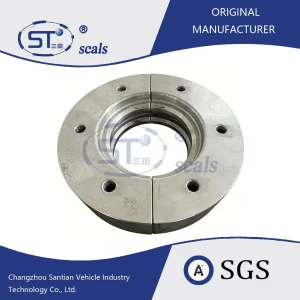
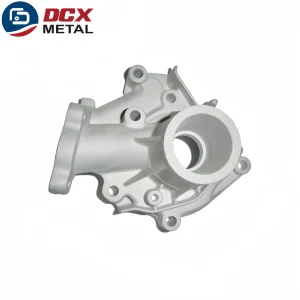
Advanced lost wax precision castings, vacuum flanges, hydraulic round bars, and coated steel profiles.
 Campfire Steel