Explore our foundational engineering solutions, bridging high-strength structural profiles, heavy duty machinery components, and precision cast alloys engineered for harsh application environments.
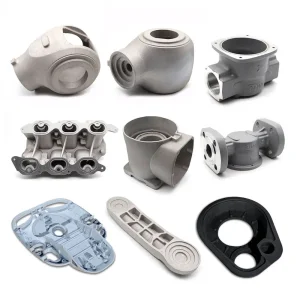
In modern heavy-duty manufacturing, the requirement for structural integrity is paramount. For components measuring from dozens of kilograms to multi-ton assemblies, OEM/ODM Sand Casting remains the definitive manufacturing choice. It offers unparalleled design flexibility, permitting intricate internal passageways via customized resin-sand cores that are virtually impossible to machine from solid stock or execute through stamping.
By blending metallurgical expertise with advanced casting simulation, industrial operations achieve an optimal balance between material density, mechanical dampening, and cost-effectiveness. Whether it is a transmission housing for mining equipment, a turbine blade adapter, or customized structural fittings, sand casting bridges the gap between raw alloy inputs and finished structural assemblies.
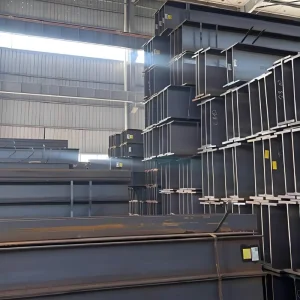
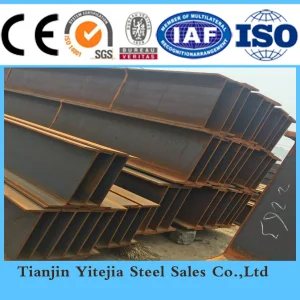
We work closely with engineering teams to select the exact chemistry and solidification criteria suited for specific tasks. For instance, combining high-tensile components like H-Beams with ductile iron cast housings enables engineering projects to withstand severe seismic and dynamic loads. Our process maintains strict oversight of the iron-carbon equilibrium diagram, ensuring minimal gas porosity, shrinkage control, and precise dimensional control.
Our solutions target key operational requirements in marine, defense, energy, agricultural machinery, and heavy infrastructure projects. With over 20 years of manufacturing experience, we deliver robust OEM/ODM sand casting supply chains optimized for lead-time efficiency and technical conformity.
Sand casting is shifting away from purely manual molding toward digitalization, robotic automation, and additive integration. The transition to Industry 4.0 has enabled high-precision, low-waste operations that support demanding design cycles. Key technical changes driving modern foundry operations include:
We skip the pattern-making stage by directly printing silica sand molds using high-precision binder jetting systems. This method reduces prototyping phases from weeks to days, allowing for radical geometries and weight-saving topology optimizations.
By simulating fluid dynamics and thermal properties within the mold cavities prior to pouring, we accurately predict defects such as air entrapment, cold shuts, and shrinkage cavities. This ensures the first production batch meets specification.
Environmental responsibility is integrated into our manufacturing processes. Modern thermal and mechanical sand reclamation lines recover up to 98% of waste silica sand, utilizing organic, low-emission furan and silicate binder formulations to minimize carbon footprint.
Over the next ten years, automated inline CT scanning and acoustic emission sensors will monitor the grain structure of molten metal during cooling. This approach will allow foundries to verify properties in real-time, matching the production speed and consistency required by high-end engineering sectors.
The performance of custom castings relies on strict metallurgical control. Adjusting trace elements within gray iron, ductile iron, and carbon steel grades allows us to meet precise tensile strength, yield point, and fatigue limit requirements. The table below outlines typical mechanical performance benchmarks for modern sand castings:
| Alloy Grade Class | Common Specifications | Tensile Strength (Min) | Yield Strength (Min) | Typical Industrial Applications |
|---|---|---|---|---|
| Ductile (Nodular) Iron | ASTM A536 65-45-12 / 80-55-06 | 450 - 550 MPa | 310 - 380 MPa | Crankshafts, heavy machinery frames, structural mounts |
| Gray Cast Iron | ASTM A48 Class 30 / Class 40 | 200 - 280 MPa | - (Brittle behavior) | Engine blocks, gearboxes, vibration-dampening bases |
| Cast Carbon Steel | ASTM A216 WCB / WCC | 485 - 515 MPa | 250 - 275 MPa | Pressure valves, high-pressure pumps, oilfield structures |
| Stainless Alloy Steel | ASTM A351 CF8M (316 Cast equivalent) | 485 MPa | 205 MPa | Marine fittings, chemical processing impellers, pumps |
Integrating downstream machining (such as precision CNC milling and turning) with cast blanks provides global buyers with a single-source manufacturing route. This configuration guarantees that dimensional tolerances (ISO 8062 CT9 to CT11 for casting; CT6 to CT8 after machining) remain consistent throughout production runs.
Our comprehensive production program balances custom sand-cast components with essential structural steel raw materials. Explore our foundational metallurgy product center portfolio below:
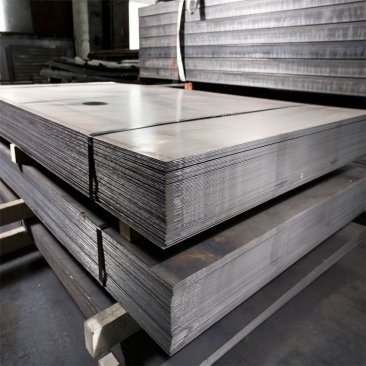
A36 structural plate complies with American ASTM standards, providing excellent weldability, ductility, and tensile characteristics for heavy equipment framing.
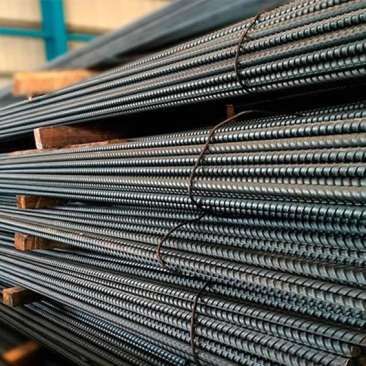
Deformed high-yield rebar for reinforced concrete structures, featuring specialized ribbed configurations to maximize mechanical bonding within civil foundations.
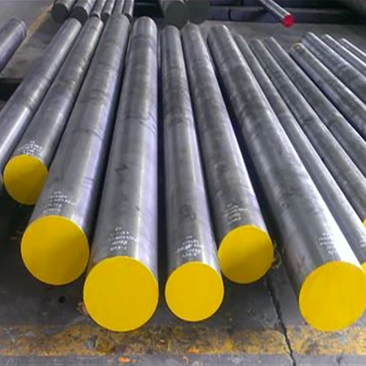
Chromium-molybdenum-manganese low alloy steel offering superb depth of hardening, toughness, fatigue resistance, and durability under high-impact conditions.
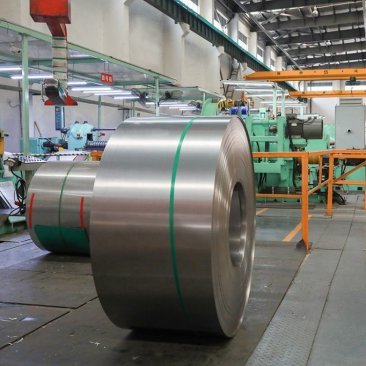
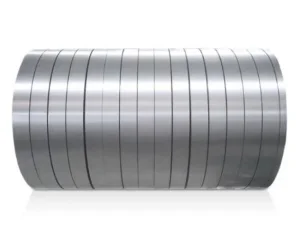
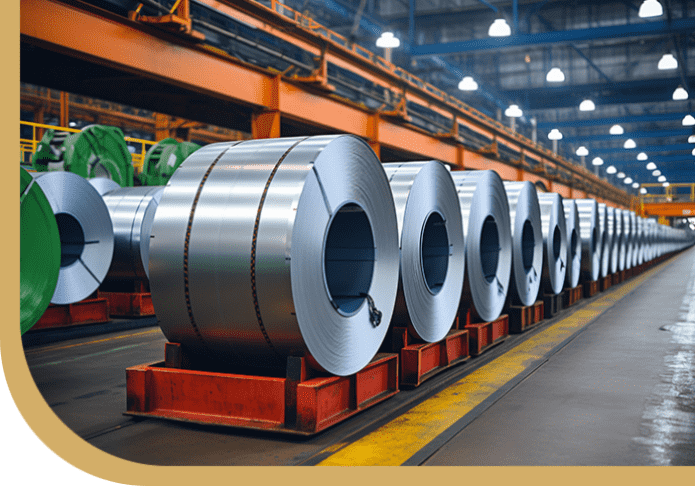
Ultra-low carbon austenitic stainless steel coil, minimizing chromium carbide precipitation during welding to prevent localized corrosion in heat-affected zones.
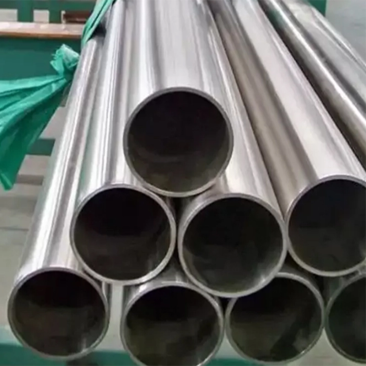
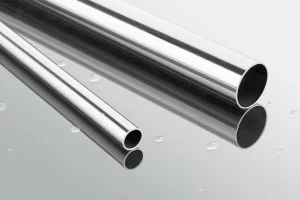
Molybdenum-bearing 316L seamless/welded tubing, delivering high resistance to marine, chloride, and chemical-induced pitting environments.
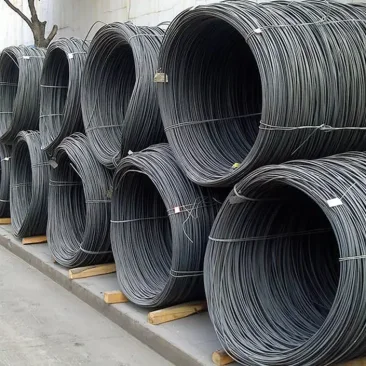
High-ductility hot-rolled steel wire coils, optimized for downstream cold drawing, mesh fabrication, fasteners, and heavy-duty structural springs.
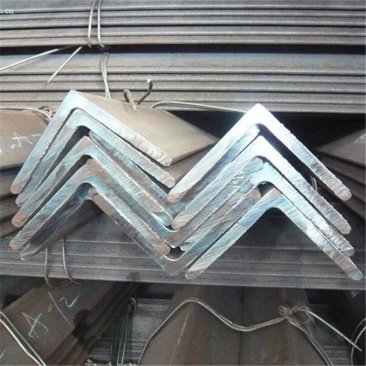
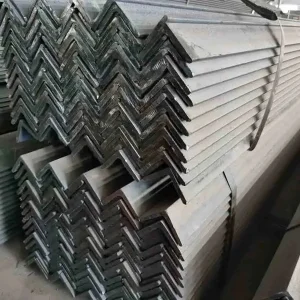
L-shaped structural profiles for transmission towers, heavy-duty frame structures, building joists, and structural support frameworks.
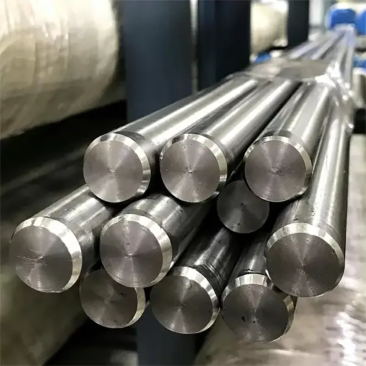
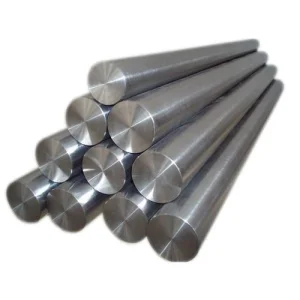
High-alloy chromium-nickel stainless steel bar engineered to maintain mechanical properties in continuous service up to 1038°C.
Our facilities utilize advanced manufacturing technologies, integrating raw material logistics, digital mold management, automated casting lines, and finishing systems. As part of HEIBEI CAMPFIRE STEEL CO., LTD., we combine steel processing capabilities with dedicated foundry operations to provide competitive lead times and high quality. We control the supply chain from raw iron ore extraction and alloy sourcing through to chemical composition verification.
Our commitment to Quality Care extends beyond quality control, on-time delivery, and competitive pricing. We add value by collaborating with clients to refine mold designs and select alloys, enhancing production efficiency. As an industry-leading company, HEIBEI CAMPFIRE Steel Co., Ltd. is the only firm that offers a return policy on products that do not meet standard quality specifications. With over 20 years of international trade experience, we ensure seamless delivery to your destination.
Purchasing custom sand castings internationally requires managing lead times, tooling costs, and structural tolerances. To minimize potential issues during mass production, global procurement teams should focus on three primary phases of quality assurance:
Selecting appropriate pattern materials determines both casting precision and cost. Wooden tooling is suitable for low-volume runs (1–50 units), while aluminum or epoxy resin patterns are recommended for high-volume OEM production runs (1,000+ units) to maintain dimensional accuracy.
We ensure casting integrity through optical emission spectrometry (OES) chemical analysis, microstructural verification (verifying >90% nodularity in ductile iron), ultrasonic testing (UT) for internal voids, and magnetic particle testing (MPI) to detect surface fissures.
All casting products are shipped with complete mill test certificates (MTC) matching EN 10204 3.1 or 3.2. We handle international logistics, custom clearances, and surface protective oil coatings to prevent transit rust.
Select specialized alloys, prefabricated structures, and CNC machined parts designed for heavy industrial use. Our production process maintains strict conformity to ASTM, DIN, and JIS standards.
For custom OEM/ODM sand casting, pattern development and sample validation typically take 2 to 4 weeks, depending on design complexity. If furan resin sand casting and CNC machining are required, the time frame ranges from 3 to 5 weeks. 3D-printed sand molds can reduce initial prototyping turnaround times to 7–10 days by bypassing traditional tooling steps.
We use simulation software to model metal flow and temperature distribution within the mold cavity. This allows us to optimize riser placement and dimensions to feed shrinkage zones during cooling. Non-destructive testing (NDT), such as ultrasonic (UT) and radiographic (RT) inspection, verifies internal soundness according to ASTM standards.
The primary difference is the shape of the graphite precipitates. Gray iron contains flake graphite, which provides good machinability and vibration dampening but exhibits lower impact resistance. Ductile iron features spherical graphite nodules, achieved through magnesium treatment, which improves tensile strength, ductility, and yield characteristics.
We are a manufacturer that offers a direct return policy for materials that do not meet standard quality specifications. If a component fails to match the dimensional tolerances, mechanical properties, or chemical composition specified in the approved drawings, we will remake or refund the parts after technical review.
 Campfire Steel