Explore our highly requested line of structural steel shapes, pipes, and precision cast components certified to international standards.
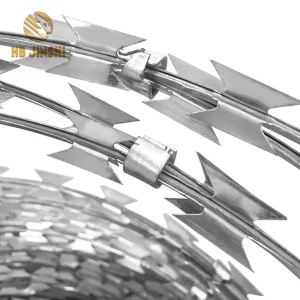
Analysing structural performance metrics, application thresholds, and procurement protocols in modern heavy industries.
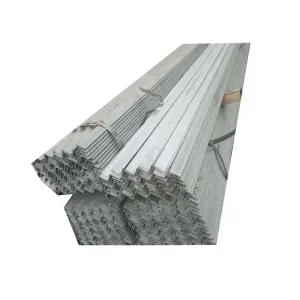
Stainless steel angles, characterized by their L-shaped cross-sections (equal or unequal legs), represent a foundational structural product category essential to infrastructure, chemical processing, marine architecture, and high-performance machinery. In contrast to standard carbon steel alternatives, stainless steel angles provide high corrosion resistance, excellent mechanical properties at extreme temperatures, and lower maintenance lifecycles, ensuring a favorable Total Cost of Ownership (TCO) for modern engineering projects.
As global industries transition toward sustainable development, structural designs increasingly mandate high-durability metals. In particular, structural components specified under corrosive environments—such as offshore drilling platforms, sewage treatment facilities, industrial food production plants, and coastal civil engineering projects—rely extensively on grades like AISI 304, 304L, 316, and 316L. By implementing advanced metallurgy, top-tier manufacturers offer stainless steel profiles that meet structural load requirements while showing superior resistance to localized pitting and crevice corrosion.
Engineering plans typically specify structural steel profiles according to established international standards. The most common of these include ASTM A276 (standard specification for stainless steel bars and shapes), EN 10088-3 (technical delivery conditions for semi-finished products, bars, rods, wire, sections), and JIS G4303. Understanding these standards ensures cross-border compliance and precise load tolerance designs.
| Steel Grade Category | Key Standards | Chemical Composition Highlights | Yield Strength (Min MPa) | Common Industrial Applications |
|---|---|---|---|---|
| Austenitic 304 / 304L | ASTM A276, EN 10088-3 | 18% Cr, 8% Ni, Low Carbon (304L) | 205 - 215 | Architectural supports, chemical processing tanks, food & beverage processing machinery. |
| Austenitic 316 / 316L | ASTM A276, ASTM A479 | 16% Cr, 10% Ni, 2-3% Mo | 220 - 240 | Marine installations, petrochemical refining, coastal infrastructures, pharmaceutical processing. |
| Duplex 2205 | ASTM A276, ASTM A182 | 22% Cr, 5% Ni, 3% Mo, 0.18% N | 450 - 480 | High-load structural marine framing, desalination plant pipe supports, chemical tankers. |
| Ferritic / Martensitic (e.g. 410, 430) | JIS G4303, ASTM A276 | 12-18% Cr, minimal Ni | 275 - 350 | Automotive components, heat treatment structural frames, mild corrosive wear applications. |
Why leading global EPC contractors source stainless structural profiles from Chinese industrial hubs.
Chinese mills deploy modern hot-rolling lines and laser-welding systems that achieve precise leg dimensions, minimal twist tolerances, and uniform mechanical properties across structural shapes.
Proximity to integrated smelting complexes (nickel ore refinement and ferroalloy production) enables Chinese suppliers to manage alloy surcharges effectively, offering pricing stability.
From standard size angle sections to customized length requirements and post-rolling surface modifications, Chinese factories adapt production lines dynamically to meet project volumes.
For international buyers, sourcing from China-based manufacturers like HEIBEI CAMPFIRE STEEL CO., LTD. offers distinct logistics advantages. Utilizing optimized shipping networks near major ports such as Tianjin and Qingdao, factories can balance short-lead maritime deliveries with competitive freight contracts, maintaining low overhead structures relative to Western European and domestic North American distributors.
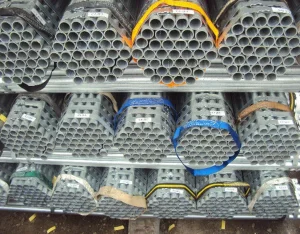
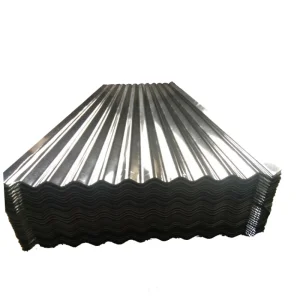
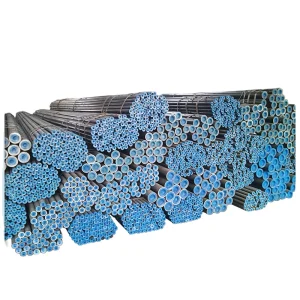
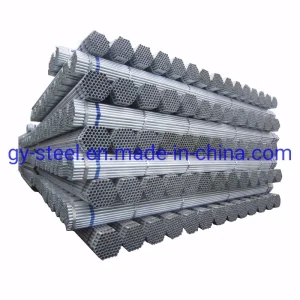
Our major products including Carbon Steel Plate, Carbon Steel Coil, Carbon Steel Pipe, Carbon Steel Bar, Stainless steel plate, Stainless steel coil, Stainless steel pipe, color coated coil, color tile, galvanized sheet, galvanized coil, Galvanized roofing, galvanized zinc, etc. Relying on various products, large inventory, high quality, low price, short delivery time and good after-sales service, and many other competitive advantages.
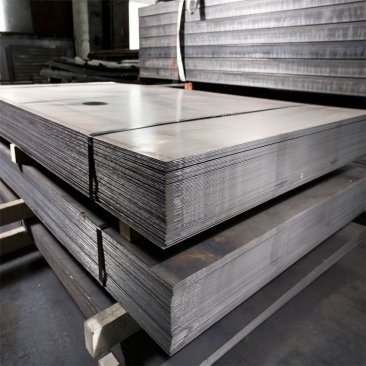
A36 is a carbon structural steel plate whose chemical composition and mechanical properties comply with American ASTM standards. This kind of steel plate has good mechanical properties, welding performance and corrosion resistance, and is widely used in...
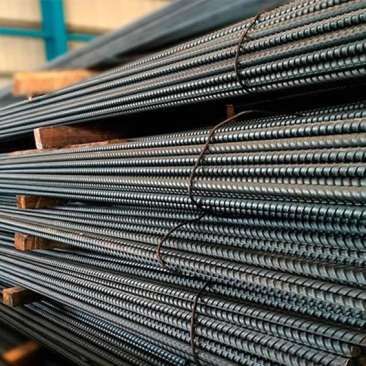
Rebar refers to steel used for reinforced concrete and prestressed reinforced concrete. Its cross section is round, sometimes square with rounded corners. Including plain round reinforcement, ribbed reinforcement and twisted reinforcement.
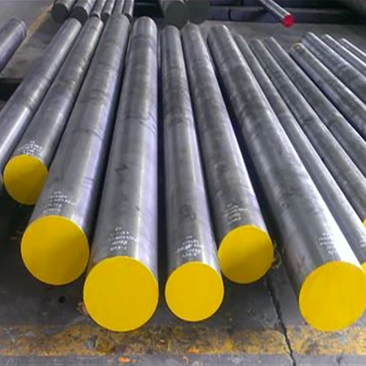
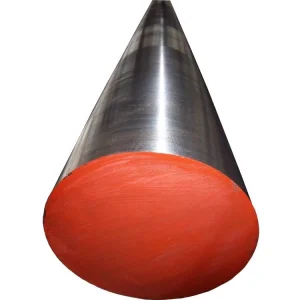
AISI 4140 steel bar is made of a low alloy steel containing chromium, molybdenum and manganese. It has a high carbon content and a good balance of strength, toughness, wear resistance, impact resistance and heat treatment capabilities.
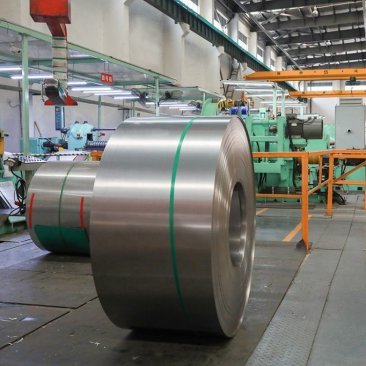
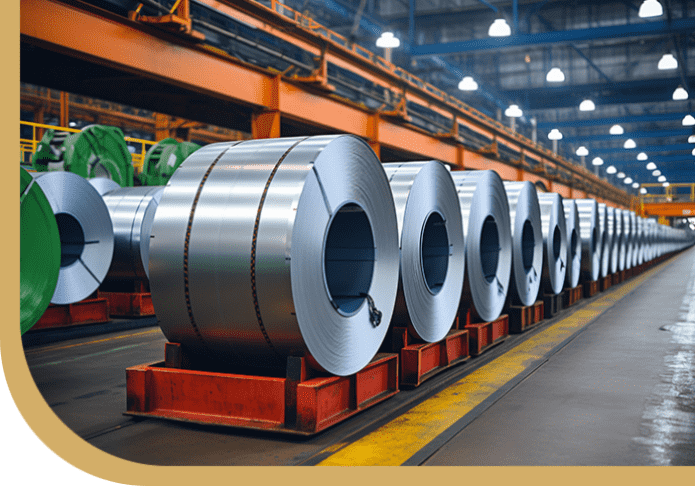
304L stainless steel coil is mainly used in automobile accessories, hardware tools, tableware, cabinets, medical appliances, office equipment, weaving, handicrafts, petroleum, electronics, chemicals, textile, food, machinery, construction, nuclear power, aerospace, military and other industries.
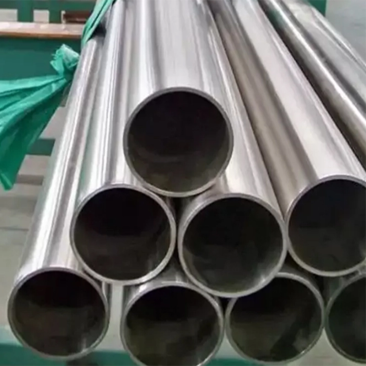
316L stainless steel has a lower proportion of carbon in its composition, the amount of carbon cannot go over 0.03%. This lowers the chance of carbon precipitation, making it an ideal option for welding to ensure maximum corrosion resistance.
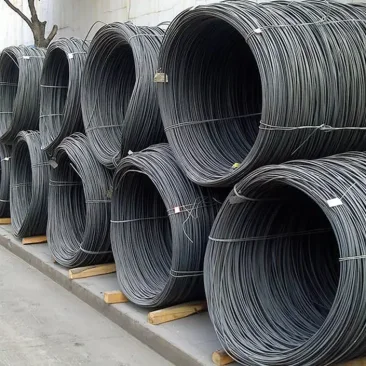
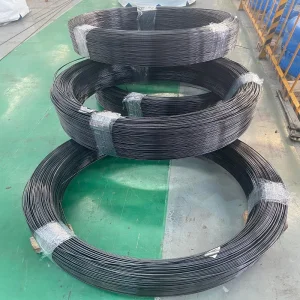
Wire rod is a rolled steel product (alloy or non-alloy), manufactured from a semi-finished steel with a rectangular, rounded, hexagonal or squared shape. Especially, fine cross-sections are reached by sequent cold drawing. Wire rod is wrapped around into the coils and also carried in this form.
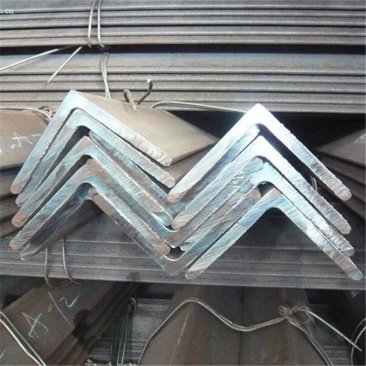
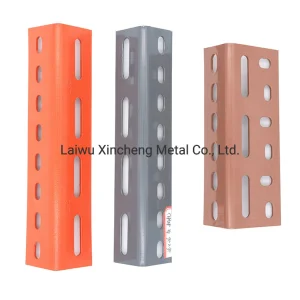
The angle steel is mainly used to make frame structures, such as high-voltage transmission towers, frames on both sides of the main beam of steel structure bridges, columns and booms of tower cranes on construction sites, columns and beams of workshops, etc.
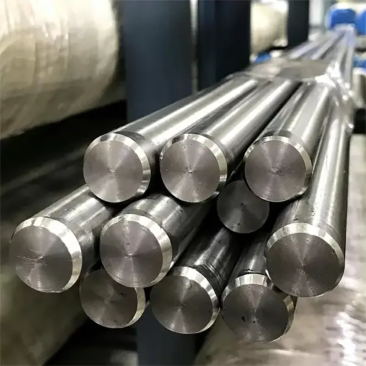
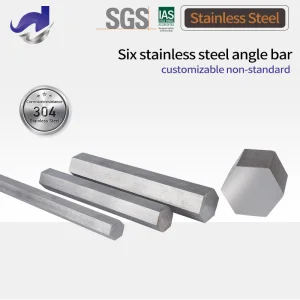
309 stainless steel is a stainless steel material featured by excellent corrosion resistance and high temperature performance. 309 stainless steel bars are commonly specified for furnace parts, boiler baffles, and structural components working in high-heat zones.
Underlining the technical inspection stages to ensure zero-defect exports to global markets.
In structural materials procurement, raw material validation prevents cataclysmic mechanical failure. Top-tier manufacturers employ a suite of non-destructive and destructive metallurgical evaluation assays before stamping quality certifications:
Global cross-border trading requires navigating regional trade barriers, tariff rules, and anti-dumping duties (AD/CVD). For instance, exporters operating out of China maintain compliance profiles by offering clear certificates of origin, detailed commercial invoicing, and customs-aligned product classifications. By coordinating logistics with dynamic customs clearance networks, top exporters redirect and arrange deliveries according to optimal international shipping routes, preserving project schedules.
HEIBEI CAMPFIRE STEEL CO., LTD. represents over two decades of global trade excellence.
For the steel industry, customer care is not just quality control, on-time delivery and offering good price, but also adding value through the services we provide. We work with customers to continuously improve steel quality to help customers obtain more efficient and effective manufacturing processes. HEIBEI CAMPFIRE Steel Co., Ltd. is also the only company that promises to take back products if they are not up to standard. We have been engaged in export trade for more than 20 years and have rich experience in this field.
Decentralized application strategies matching localized environmental demands and emerging architectural engineering standards.
In high-density urban environments, structural steel shapes form the core skeletal grids of complex building projects. In areas characterized by extreme humidity or coastal salt fog (such as the Asia-Pacific littoral zone or the North Sea coastline), standard structural angles suffer oxidation pathways that lead to rust and structural decay. Architects utilize SUS316L and Duplex structural profiles to extend concrete building lifespans past 100 years without needing regular structural rehabilitation.
With the rise of liquefied natural gas (LNG) infrastructure and liquid hydrogen fuel arrays, structural piping networks must maintain structural ductility at temperatures below -160°C. Standard ferritic alloys undergo a ductile-to-brittle transition, making them prone to structural fracturing. Austenitic stainless steel angles retain high toughness profiles at cryogenic levels, serving as critical structural supports for cryogenic insulation piping panels.
The transition toward renewable energy assets requires structural designs that withstand outdoor weathering for decades. Solar photovoltaic framing arrays, wind turbine sub-structures, and geothermal containment frameworks rely on structural stainless profiles to limit maintenance footprints. Additionally, modern industrial food manufacturing automation demands washdown-capable, sanitation-friendly structures, driving the use of polished 304 or 316 angles to avoid bacterial buildup zones.
Procurement teams are shifting from transactional transactions to digital, logistics-integrated supply partnerships. Working directly with factories allows for custom-length cut plans (avoiding off-cut scrap waste) and structural drilling processes prior to hot-dipped or passivation finishing. This simplifies field assembly, saving labor costs and reducing execution times at construction sites.
Get answers to critical metallurgical questions, load considerations, and importing logistics.
Discover related structural steel shapes, round bars, and piping elements from our inventory.
Request a comprehensive, obligation-free quote on customized size profiles, bulk supply discounts, or third-party quality testing arrangements.
Contact Procurement Team Campfire Steel