In modern industrial engineering, structural components must withstand increasingly hostile environments while maintaining high tensile strength and load-bearing capacity. The Stainless Steel Channel—predominantly manufactured as U-channels or C-channels—stands as a primary structural element engineered to address these complex stresses. As a leading global wholesale stainless steel channel supplier and exporter, we provide solutions that bridging metallurgical science and structural application requirements.
Austenitic stainless steels, specifically grades 304 (UNS S30400) and 316 (UNS S31600), represent the foundational alloys utilized in structural profile manufacturing. The presence of chromium (typically 18% to 20%) paired with nickel (8% to 10.5%) facilitates the spontaneous formation of a passive, self-healing chromium oxide film. In grade 316, the integration of 2% to 3% molybdenum dramatically improves resistance to localized pitting and crevice corrosion, particularly in chloride-laden environments such as marine structures, wastewater treatment plants, and offshore drilling platforms.
High yield strength (≥205 MPa for 304) and excellent tensile elongation (≥40%) facilitate both cold forming and structural load distribution in high-vibration systems.
Strict adherence to structural tolerances under ASTM A276, ASTM A484, and EN 10088-3 ensures parallel flange alignment and perpendicular web geometry.
Standard chemical passivation and acid pickling treatments eliminate free iron contaminants from the channel surface, optimizing long-term oxidation protection.
International procurement of structural stainless steel is shifting from generic stocking strategies to highly specialized, intent-driven supply chains. In modern industrial zones, designers require profiles customized for extreme thermal cycling, chemical reactivity, or complex architectural criteria.
In coastal or marine environments, high ambient salinity initiates rapid crevice corrosion on standard carbon steel. Our hot-rolled and cold-drawn stainless steel channels are surface-engineered to mitigate this risk, preventing mechanical failure.
In cold climate infrastructure projects, standard carbon steels are subject to ductile-to-brittle transition temperature (DBTT) limitations. Austenitic stainless steel channels maintain their impact toughness at sub-zero temperatures, providing a reliable option for extreme environments.
The landscape of global steel fabrication has been redefined by the integration of Industry 4.0 methodologies across China's primary manufacturing hubs. As a progressive supplier, HEIBEI CAMPFIRE STEEL CO., LTD. uses smart manufacturing setups to bridge structural metallurgy with digital logistics. This digital integration guarantees consistent quality control across large-volume production runs.
Advanced hot-rolling plants utilize closed-loop feedback systems to monitor deformation rates and thermal profiles in real time. This ensures uniform grain size distribution within the steel microstructure, minimizing internal stresses that could lead to warp or twist during post-machining. Cold-drawing operations employ digital laser gauge alignment to ensure dimensional tolerances stay within the micrometric ranges specified by international standards.
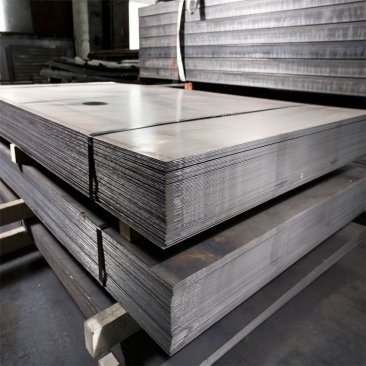
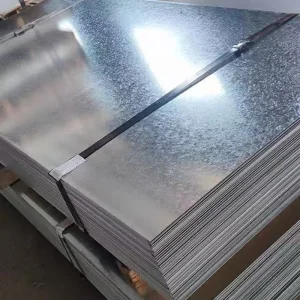
A36 carbon structural steel plates offer balanced mechanical properties, welding performance, and atmospheric corrosion resistance, suitable for structural applications.
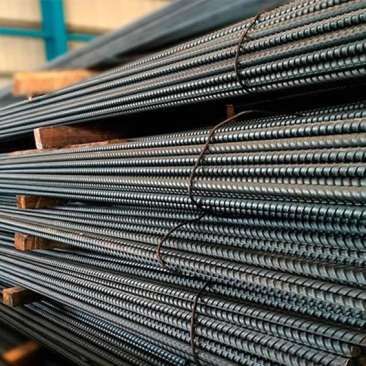
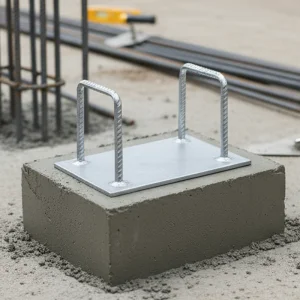
Rebar refers to steel used for reinforced concrete and prestressed reinforced concrete. Including plain round reinforcement, ribbed reinforcement, and twisted reinforcement.
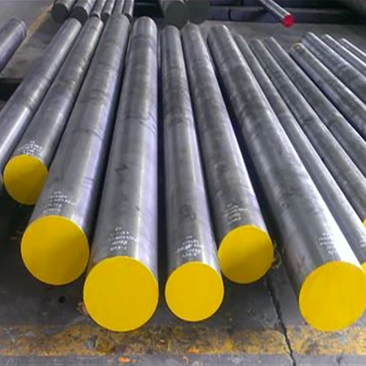
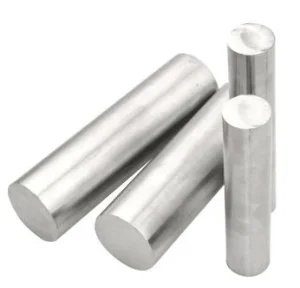
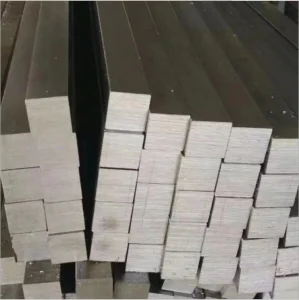
AISI 4140 steel bar is made of a low alloy steel containing chromium, molybdenum, and manganese. It has a high carbon content and a good balance of strength and toughness.
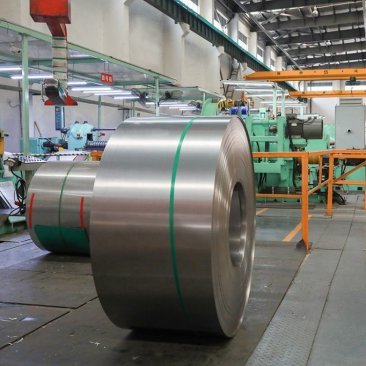
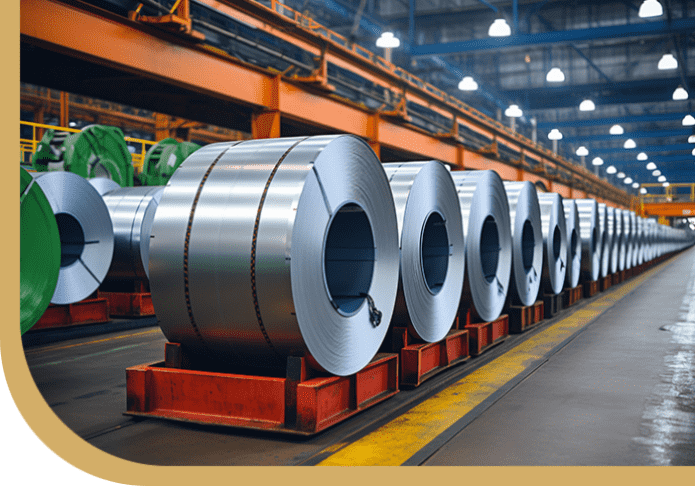
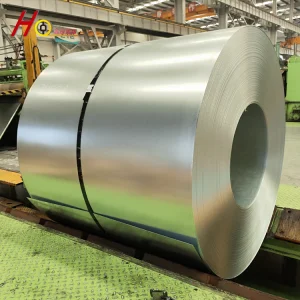
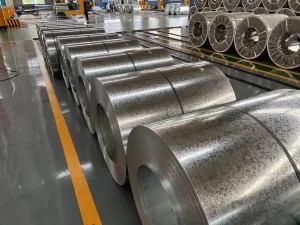
304L stainless steel coil is mainly used in automobile accessories, hardware tools, medical appliances, petroleum, electronics, chemicals, textile, and food industries.
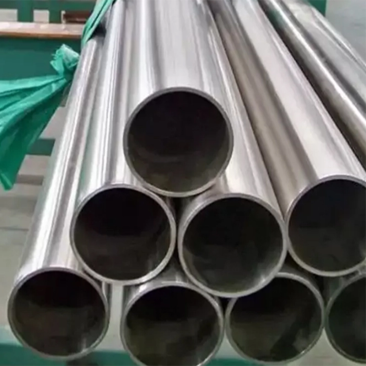
316L stainless steel has a lower proportion of carbon in its composition (max 0.03%), lowering the chance of carbon precipitation during welding for improved corrosion resistance.
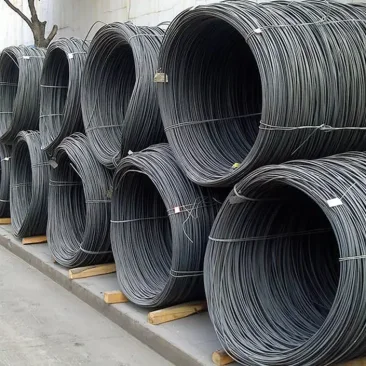
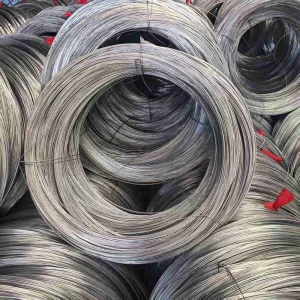
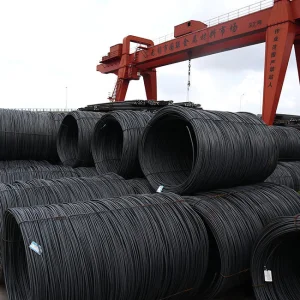
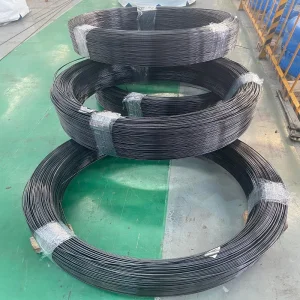
Wire rod is a rolled steel product manufactured from semi-finished steel with a rectangular, rounded, hexagonal, or squared shape, wrapped in coils.
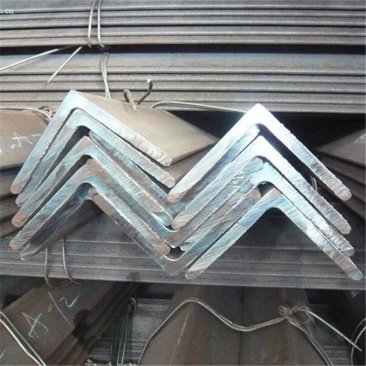
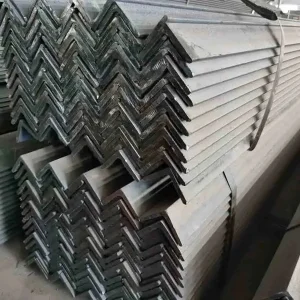
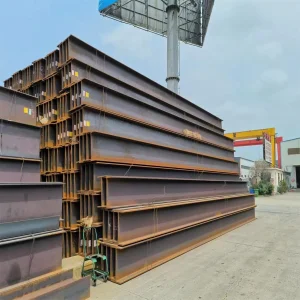
Angle steel is mainly used to make frame structures, such as transmission towers, bridge structures, crane columns, and industrial workshop structures.
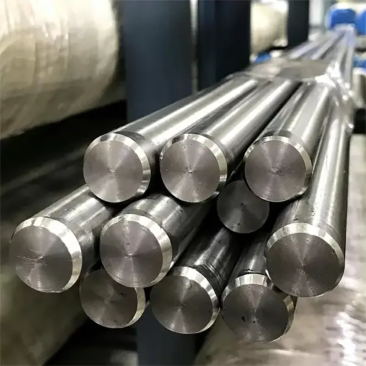
309 stainless steel is a stainless steel material featured by excellent corrosion resistance and high-temperature performance, suitable for challenging environments.
For the steel industry, customer care goes beyond standard quality control, on-time delivery, and competitive pricing. We aim to add value through our services, working with customers to continuously improve steel quality to support efficient manufacturing processes.
HEIBEI CAMPFIRE Steel Co., Ltd. promises to take back products if they do not meet the specified standards. Having been engaged in export trade for more than 20 years, we maintain active distribution networks to ensure reliable product delivery.
Hot-rolled channels are formed at high temperatures, offering a monolithic grain structure and cost efficiency for standard structural projects. Laser-fused channels join independent steel plates with a full-penetration laser weld, enabling sharp 90-degree corners, custom dimensions, and minimized heat-affected zones (HAZ) for high-precision architectural applications.
Grade 316L contains 2% to 3% molybdenum, which increases its Pitting Resistance Equivalent Number (PREN) and enhances resistance to chloride-induced stress corrosion cracking compared to 304L. For extreme saline environments or industrial chemical processes, 316L provides better protection against localized mechanical degradation.
Standard treatments include acid pickling (typically with a nitric-hydrofluoric acid bath) to remove high-temperature scale, followed by chemical passivation. Passivation removes free iron from the surface and promotes the formation of a continuous, protective chromium oxide passive layer.
Every shipment is accompanied by a certified Mill Test Certificate (MTC) conforming to EN 10204 3.1 or 3.2. We conduct chemical composition analysis via optical emission spectrometry and perform mechanical tests, including tensile, yield, and impact testing, to verify compliance before dispatch.
Dimensional tolerances comply with ASTM A484/A484M and EN 10088-3. These standards regulate allowable deviations in web depth, flange width, thickness, out-of-squareness, and straightness to ensure compatibility with pre-engineered structural frames.
Cold drawing induces work hardening within the austenitic matrix, which increases yield and tensile strength while reducing ductility. This process also improves surface finish and dimensional precision, making cold-drawn channels suitable for applications requiring close tolerances.
 Campfire Steel