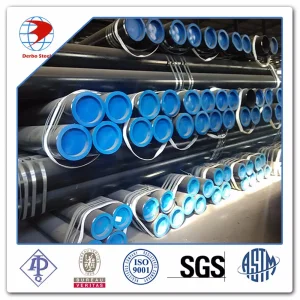
Premium performance steel tubing designed for heavy fluid conduction, structure layout, and high-pressure steam utility.
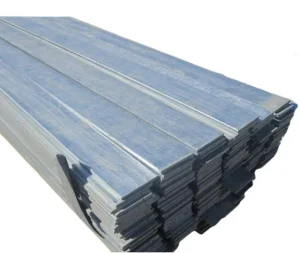
High-speed tool steel components structured with smooth surface qualities for precise mold manufacturing and machinery.
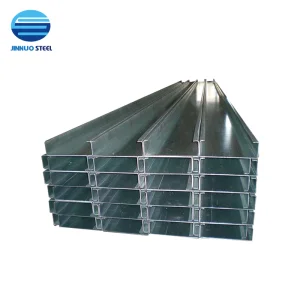
Universal structural beams engineered to optimize load distributions inside complex construction frameworks.
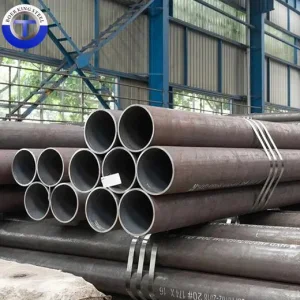
Petroleum transport standard heavy schedule seamless pipe, resisting inner micro-fissure degradation.
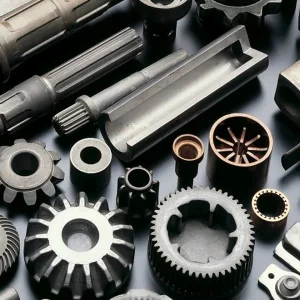
Advanced metallurgy drop die parts for dynamic machinery. Customized tensile strengths tailored for automotive use cases.
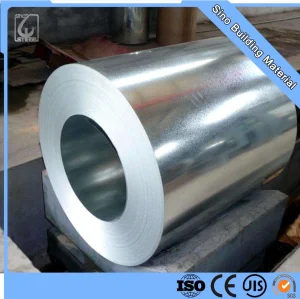
Corrosion resistant structural galvanized plates boasting exceptional surface zinc adhesion under harsh climates.
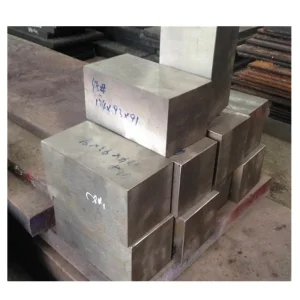
Solid hot-rolled square profiles designed for immediate utilization in infrastructure framing processes.
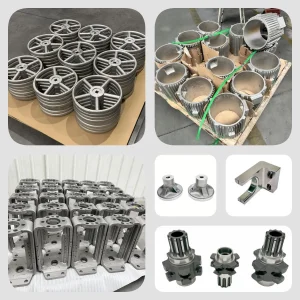
High mechanical tolerance dimensional steel casting designed for fluid pressure sealing applications.
Global procurement teams in the marine, chemical, structural engineering, and petrochemical fields prioritize flat bar products with tight dimensional tolerances and flat profiles. For structural components that undergo heavy loads, raw steel profiles from hot-rolling must feature homogeneous crystalline properties. This minimizes surface deformation when CNC tooling and precision laser profile operations are performed.
Specifying austenitic grades such as 304/304L and 316/316L is critical for architectural frameworks and high-salinity marine environments. The inclusion of chromium and nickel elements forms an active self-healing chromium oxide film. This passive barrier provides resistance to chloride pitting, crevice corrosion, and acidic oxidation, reducing maintenance and extending operational cycles.
Modern commercial procurement relies on material traceability. Sourcing flat bars from verified manufacturers requires complete EN 10204 3.1 certification. This ensures chemical composition matching, tensile strength metrics, and elongation analysis are documented. High logistics efficiency, coupled with solid container packing, ensures structural steels arrive free of stress bending and oxidation defects.
Choosing the correct alloy chemical balance determines structural stability and load capacities. Use this technical reference index to compare performance configurations:
| Steel Grade | Chromium (Cr) % | Nickel (Ni) % | Molybdenum (Mo) % | Carbon (C) % Max | Yield Strength (MPa) Min | Primary Industrial Application |
|---|---|---|---|---|---|---|
| 304 (Austenitic) | 18.0 - 20.0 | 8.0 - 10.5 | - | 0.08 | 205 | Food handling equipment, Architectural frames, General fabrication |
| 304L (Low-Carbon) | 18.0 - 20.0 | 8.0 - 12.0 | - | 0.03 | 170 | High-stress structural welding, Chemical reactors, Piping components |
| 316 (Marine Grade) | 16.0 - 18.0 | 10.0 - 14.0 | 2.0 - 3.0 | 0.08 | 290 | Marine fittings, Coastal structures, Medical tooling, Heavy machinery |
| 316L (Low-Carbon Marine) | 16.0 - 18.0 | 10.0 - 14.0 | 2.0 - 3.0 | 0.03 | 200 | Pharmaceutical processing, High-salinity structures, Offshore piping |
| 309 / 309S | 22.0 - 24.0 | 12.0 - 15.0 | - | 0.08 | 205 | Furnace equipment, Heat exchangers, High-temperature baffle assemblies |
In high-activity seismic zones, structural support frames need to maintain ductile deformation without experiencing sudden structural failure. Utilizing high-toughness stainless flat bars inside bracing, wall brackets, and seismic joints helps absorb tectonic energy. This load redistribution capability ensures commercial buildings remain structurally sound.
Processing plants operating at high temperatures require materials that resist oxidation and deformation. Utilizing grades like 309S in high-stress support racks and internal baffles prevents material breakdown. The low thermal expansion profile and oxidation resistance of these alloys help extend the life of heat exchangers.
For pharmaceutical and biotechnology processing spaces, surface sanitation is critical. Micro-abrasions and rough finishes on support brackets can harbor bacteria. Electropolished 316L stainless steel flat bars provide smooth surfaces that resist chemical sanitizers, ensuring compliance with strict hygiene standards.
For the steel industry, customer care is not just quality control, on-time delivery and offering good price, but also adding value through the services we provide. We work with customers to continuously improve steel quality to help customers obtain more efficient and effective manufacturing processes. HEIBEI CAMPFIRE Steel Co., Ltd. is also the only company that promises to take back products if they are not up to standard. We have been engaged in export trade for more than 20 years and have rich experience in this field.
Our comprehensive logistics network ensures raw materials are packed and transported under secure, dry conditions, preventing moisture contamination during sea transport. We provide mill test certifications with every order to verify chemical compositions and mechanical specifications.
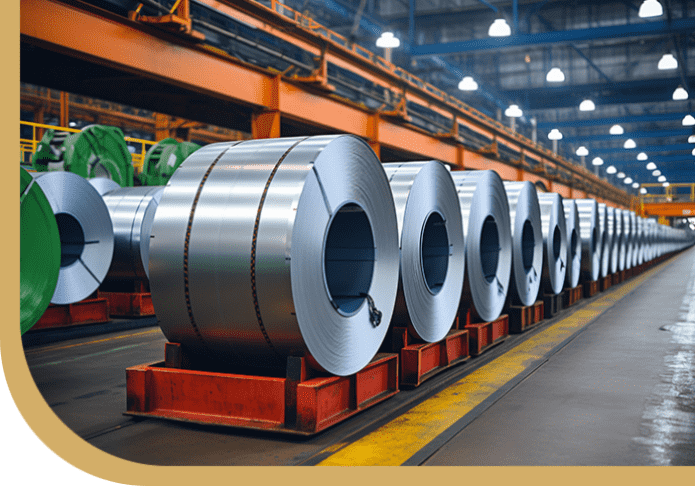
By incorporating Ladle Furnace Refining (LF) and Vacuum Degassing (VD), we reduce non-metallic inclusions in our stainless steel. Refining the microscopic grain boundaries increases yield strength, helping components withstand fatigue under high cyclic pressures.
We are integrating electric arc furnace (EAF) technologies powered by renewable energy into our supply chains. This transition aims to lower the carbon footprint of our steel processing, helping partners meet international carbon limit and ESG regulations.
Our production facilities utilize inline laser measurement scanners that monitor profile tolerances in real time during the extrusion and cold drawing phases. Automated checks identify deviations instantly, ensuring straightness across all manufactured steel profiles.
To prevent saltwater damage during long-distance maritime shipping, our steel products are packed with high-grade desiccant, wrapped in heavy-duty moisture-proof paper, and secured in strong wooden crates or steel-strapped bundles.
Every shipment is tracked from the initial furnace heat to final dispatch. Heat numbers are stamped on all materials, linking them directly to chemical analysis, impact testing, and hardness validation documentation.
Our production complies with ASTM A276, ASTM A479, and EN 10088 standards. This helps global engineering and procurement departments streamline material approvals with regional regulatory bodies.
Explore our expanded metal product lines, manufactured to international engineering standards and quality criteria.
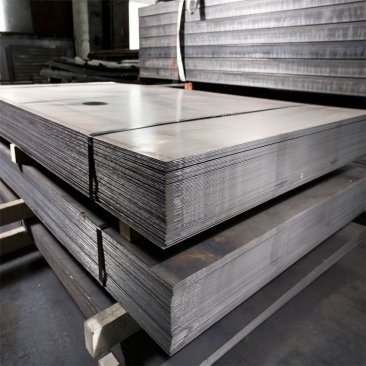
A36 is a carbon structural steel plate whose chemical composition and mechanical properties comply with American ASTM standards. This kind of steel plate has good mechanical properties, welding performance and corrosion resistance, and is widely used in construction and structural framing.
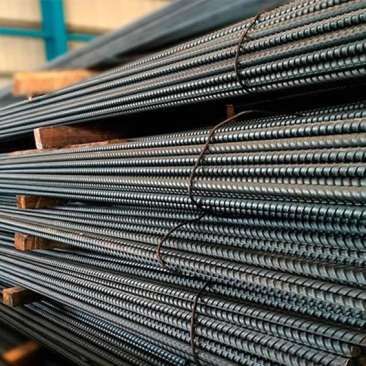
Rebar refers to steel used for reinforced concrete and prestressed reinforced concrete. Its cross section is round, sometimes square with rounded corners. Including plain round reinforcement, ribbed reinforcement and twisted reinforcement designed to handle tensile loads inside concrete matrixes.
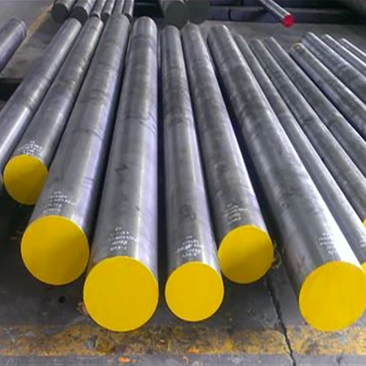
AISI 4140 steel bar is made of a low alloy steel containing chromium, molybdenum and manganese. It has a high carbon content and a good balance of strength, toughness, wear resistance, impact resistance and heat treatment capabilities, making it ideal for shafts and high-torque gearing.
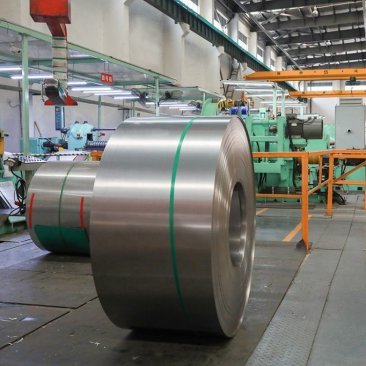
304L stainless steel coil is mainly used in automobile accessories, hardware tools, tableware, cabinets, medical appliances, office equipment, weaving, handicrafts, petroleum, electronics, chemicals, textile, food, machinery, construction, nuclear power, aerospace, military and other industries.
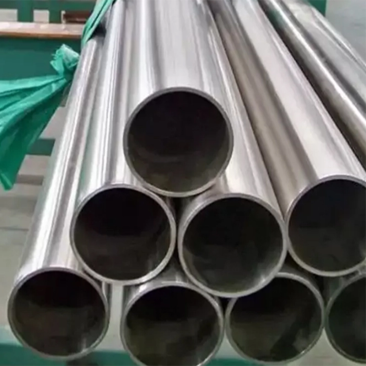
316L stainless steel has a lower proportion of carbon in its composition, the amount of carbon cannot go over 0.03%. This lowers the chance of carbon precipitation, making it an ideal option for welding to ensure maximum corrosion resistance in process piping networks.
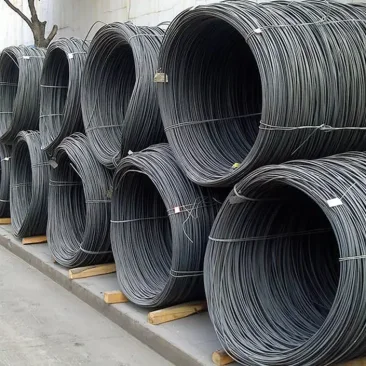
Wire rod is a rolled steel product (alloy or non-alloy), manufactured from a semi-finished steel with a rectangular, rounded, hexagonal or squared shape. Especially, fine cross-sections are reached by sequent cold drawing. Wire rod is wrapped around into the coils and also carried in this form.
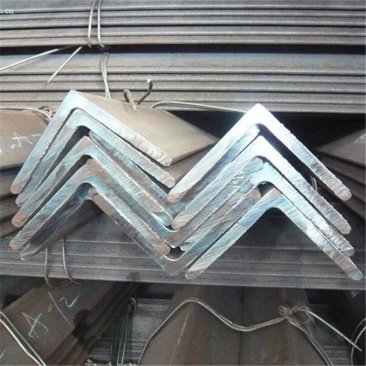
The angle steel is mainly used to make frame structures, such as high-voltage transmission towers, frames on both sides of the main beam of steel structure bridges, columns and booms of tower cranes on construction sites, columns and beams of workshops, and supporting frameworks.
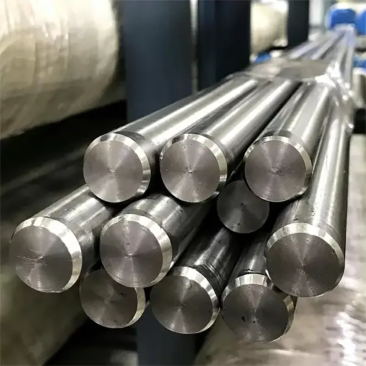
309 stainless steel is a stainless steel material featured by excellent corrosion resistance and high temperature performance. 309 stainless steel bars are commonly utilized inside combustion structures, heat exchanger arrays, and high-temperature processing zones.
PRODUCT CENTER OVERVIEW
Our major products including Carbon Steel Plate, Carbon Steel Coil, Carbon Steel Pipe, Carbon Steel Bar, Stainless steel plate,Stainless steel coil , Stainless steel pipe, color coated coil, color tile, galvanized sheet, galvanized coil, Galvanized roofing, galvanized zinc,etc. Relying on various products, large inventory, high quality, low price, short delivery time and good after-sales service, and many other competitive advantages.
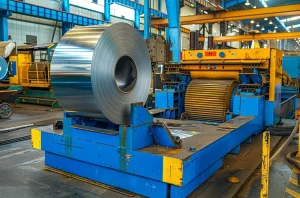
Heavy-duty grease resistant channels designed for commercial exhaust duct mounting and architectural framing.
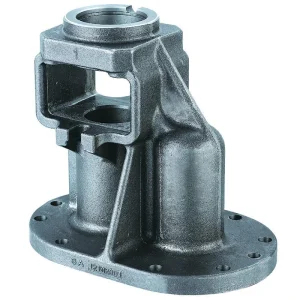
Complex heat-resistant industrial component castings, handling high cyclic thermal expansions.
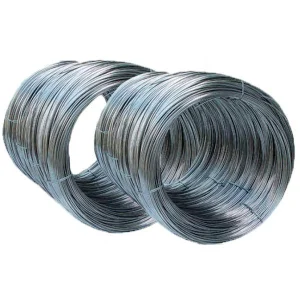
Standard utility carbon steel wire rods designed for wire mesh drawing, fastening components, and general manufacturing.
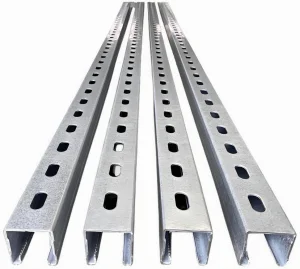
Anti-seismic zinc coated pipe hanger systems designed for architectural mechanical systems and heavy piping.
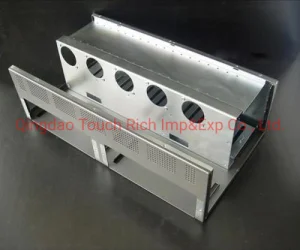
Custom sheet metal stamping and deep-drawn components fabricated to tight tolerances.
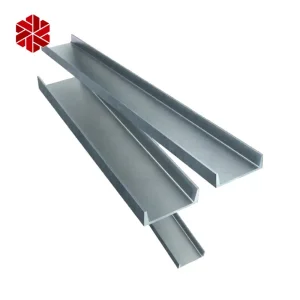
Corrosion resistant carbon U-profile sections designed for light residential structural frames and edge supports.
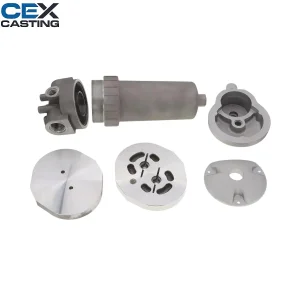
Multi-material engine and mechanical casting solutions manufactured using high-precision molds.
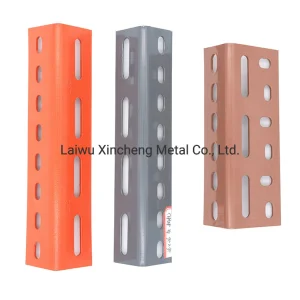
Slotted framing system with pre-punched holes for easy field assembly of warehouse shelving and racks.
 Campfire Steel