Browse our top-tier stainless steel, alloy, and structural steel components engineered for structural stability, corrosion resistance, and optimized dimensional tolerance.
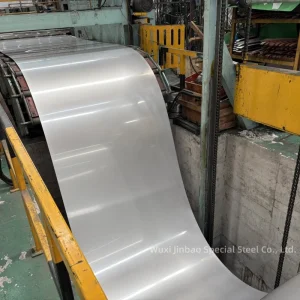
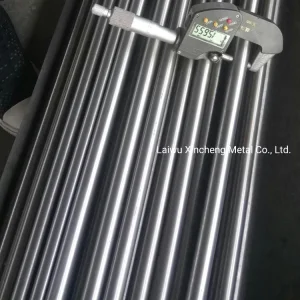
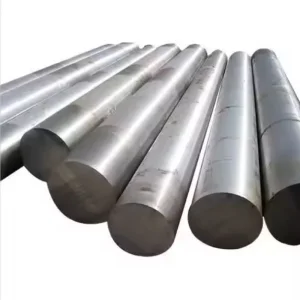
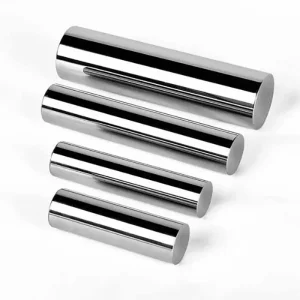
Stainless steel hexagon bars, often categorized under high-precision linear profiles, play a pivotal structural and mechanical role across modern industrial arrays. Unlike round profiles, the hexagonal geometry offers a high-torque-transfer interface ideal for high-stress fasteners, machined fittings, and valve manifolds. From a metallurgical perspective, the mechanical strength, anti-corrosive threshold, and thermal tolerance of these bars are heavily dependent on their microstructural configuration.
Austenitic stainless steels constitute the bedrock of industrial hex bar applications. High concentrations of chromium (typically 18-20%) paired with nickel (8-12.5%) create an FCC (Face-Centered Cubic) crystal structure that remains stable from cryogenic temperatures to extreme combustion environments.
When high hardness, shear strength, and wear resistance outweigh extreme corrosion protection, martensitic variants like 410 and 420F are utilized. These steels contain minimal nickel and higher carbon ratios, enabling them to undergo heat treatment (hardening and tempering). The "F" designated grades represent free-machining compositions enriched with sulfur, facilitating high-speed CNC automated machining by breaking up swarf chips rapidly.
Representing the pinnacle of metallurgical performance, Duplex (2205) and Super Duplex (2507) feature a dual-phase microstructure consisting of equal parts austenite and ferrite. This hybrid configuration results in yield strengths double that of standard austenitic grades, paired with exceptional stress corrosion cracking (SCC) resistance and a PREN value exceeding 40. This makes Duplex hex bars the default choice for high-pressure deep-sea oil extraction, desalinization plants, and heavy-duty chemical process shafts.
Hexagonal geometry provides key engineering benefits over traditional round profiles:
| Grade | Yield (MPa) | Tensile (MPa) | Hardness |
|---|---|---|---|
| 304L | ≥ 170 | ≥ 485 | HRB 90 max |
| 316L | ≥ 170 | ≥ 485 | HRB 90 max |
| 420F | ≥ 345 | ≥ 655 | HRC 50+ (H) |
| 2205 | ≥ 450 | ≥ 655 | HRC 32 max |
The application envelope of stainless steel hexagon bars is highly diverse. Due to their geometric integrity and tight tolerance margins (typically manufactured to h11 or h12 standard tolerances under ISO 286-2), they are integrated directly into automated CNC Swiss-style lathes without the need for preliminary surface peeling. The table below outlines key target industries, stress environments, and the selected alloy grades matching those criteria:
| Application Scenario | Stress Profile | Preferred Grades | Metallurgical Justification | |
|---|---|---|---|---|
| Offshore Marine Fasteners | Chloride-induced stress corrosion, severe shear tension. | 316L, 2205, 2507 | Molybdenum inclusion stops micro-pitting; dual-phase microstructure prevents cracking. | Our 316L hex bars feature carbon content strictly below 0.030% to guarantee grain integrity after field welding. |
| Hydraulic Pump Valve Bodies | Internal fluid pressure cycle fatigue, abrasive friction. | 304, 316, 420F | Exceptional internal structural uniformity limits micro-cavitation and structural failure. | Precision cold drawing provides concentric geometric dimensions to ensure flawless seal mating. |
| Automotive High-Torque Shafts | High angular momentum, cyclical torsion stress. | 410, 420F, Duplex 2205 | High yield strength combined with high surface hardness prevents shaft deformation. | Heat-treated martensitic steel ensures stable long-term torque transmission. |
| Downhole Drilling & Subsea Systems | Hydrogen sulfide presence (sour service), deep sea pressure. | 904L, Super Duplex 2507 | High nickel and copper content provides superior acid resistance and prevents stress cracking. | Meets strict NACE MR0175 standards for chemical resistance in oil and gas environments. |
As the international manufacturing sector trends toward Industry 4.0, the production of stainless steel hex bars has transitioned from simple hot extrusion and drawing into a highly automated, sensor-monitored metallurgical process. Modern advancements target cleaner chemical structures, minimal surface decarb zones, and ultra-high geometric precision.
Our production facilities utilize real-time laser micrometer inspection during the cold-drawing process. As the steel is pulled through tungsten carbide dies, high-speed optical sensors record cross-sectional flat-to-flat and corner-to-corner measurements. AI algorithms predict die wear and automatically adjust drawing speeds and tension to maintain h11 tolerance classes consistently. This virtually eliminates structural deviation across standard 3-meter or 6-meter delivery lengths.
Global regulatory frameworks require supply chains to reduce embedded carbon footprint. Our steel mills utilize modern Electric Arc Furnace (EAF) technologies powered increasingly by renewable energy grids. This process leverages high recycled scrap ratios (up to 85%), resulting in an approximate 70% reduction in CO2 emissions compared to traditional blast furnace routes. This allows developers using our steel to easily meet strict scope-3 emissions reporting requirements.
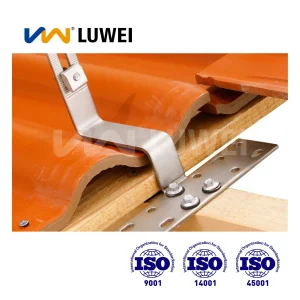
In addition to high-precision hex bars, we maintain deep inventories of carbon plate, structural rebar, low-alloy round stock, heat-resistant tubes, and solar racking elements.
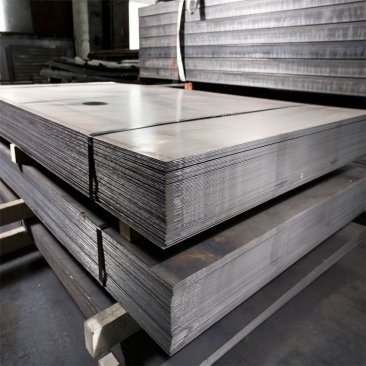
A36 carbon structural steel plate complies with ASTM standards. Excellent welding properties, mechanical resilience, and structural usability across bridge designs and manufacturing frameworks.
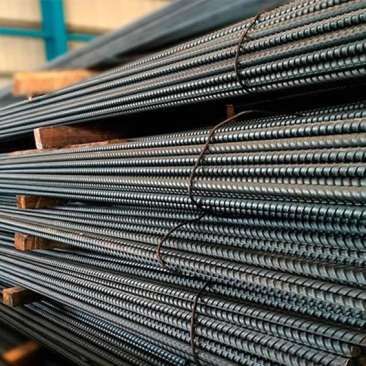
Reinforcing structural steel bars optimized for concrete reinforcement. Available in deformed, ribbed, and plain round profiles ensuring superior concrete grip and structural stability.
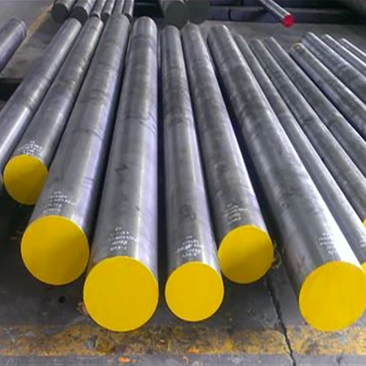
Low-alloy chromium-molybdenum-manganese steel offering outstanding tensile strength, impact toughness, wear resistance, and deep hardenability via traditional heat treatment.
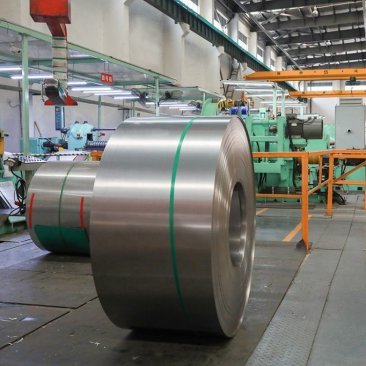
Ideal for automotive components, precision stampings, kitchen appliances, and chemical process vessels. Exhibits high formability and anti-corrosive characteristics.
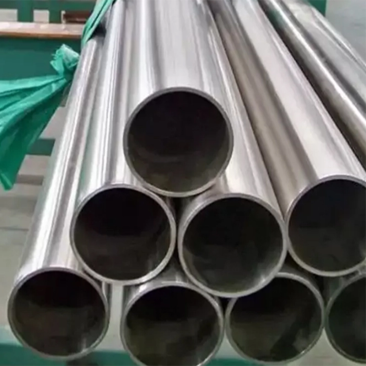
Extra-low carbon content prevents weld-area intergranular corrosion. Extensively specified in chemical processing, oil refineries, and marine plumbing configurations.
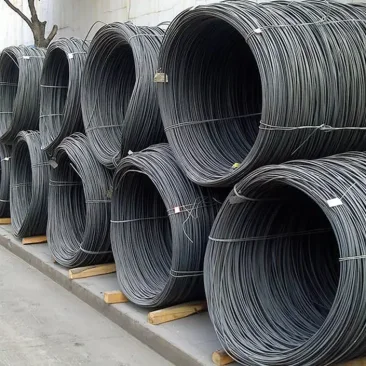
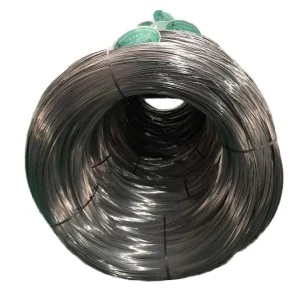
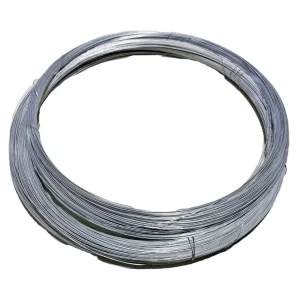
Alloyed and non-alloyed rolled steel wire coils suitable for cold drawing, fasteners, structural wire grids, and spring manufacturing.
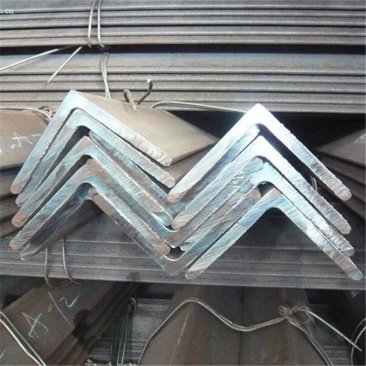
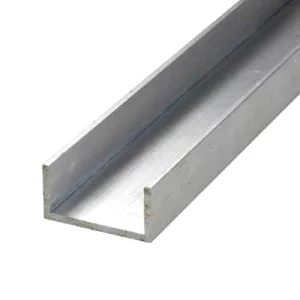
Used to construct high-strength structural framing, including transmission towers, heavy equipment chassis, bridges, and industrial building grids.
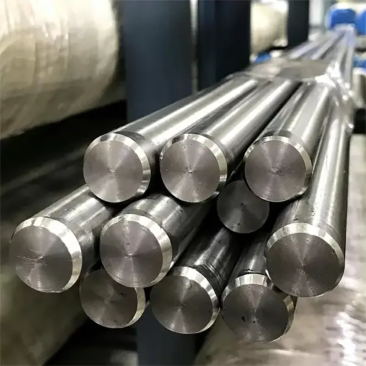
Provides oxidation resistance at elevated temperatures up to 1038°C. Resists marine atmosphere deterioration, and features excellent creep strength.
Procuring raw materials from China provides distinct logistical and economic benefits. Through vertical integration of raw material smelting, precision rolling, and final surface treatment, Chinese manufacturers offer unique pricing advantages without compromising metallurgical standards.
China is home to the world's most comprehensive steel cluster infrastructure. In industrial hubs like Hebei and Jiangsu, iron ore refineries, alloy producers, and cold-rolling mills operate in close proximity. This close-knit network minimizes transit costs and processing lag times. As a result, customized batches of non-standard hex dimensions can be completed and packaged for export significantly faster than competitors in Western Europe or North America.
Logistical delays can derail industrial timelines. By utilizing primary maritime shipping hubs such as Qingdao, Tianjin, and Shanghai ports, we ensure direct container connections to all major global ports. This helps avoid transshipment delays and lowers overall freight rates. Our partnerships with top global shipping lines secure container space even during peak shipping seasons, guaranteeing reliable delivery schedules.
We approach quality control systematically. Every batch of stainless steel hex bars undergoes strict metallurgical testing before leaving our facility, ensuring complete transparency and traceability.
| Compliance Category | Applicable Standards | Verification Details |
|---|---|---|
| Dimensional Tolerances | ASTM A484 / A484M, EN 10088-3, JIS G4303 | Verifies flat-to-flat symmetry, straightness limits (≤ 1mm per meter), and corner roundness. |
| Material Traceability | EN 10204 Type 3.1 & 3.2 Certification | Documents chemical composition via optical emission spectrometry and details tensile and impact test results. |
| Non-Destructive Testing | ASTM E165 (Liquid Penetrant), ASTM E213 (Ultrasonic) | Guarantees raw material is free of internal gas pockets, thermal tears, and structural micro-fractures. |
| Environmental Certifications | RoHS 3 (2015/863/EU), REACH Compliance | Certifies composition is free of lead, mercury, hexavalent chromium, and restricted plasticizers. |
HEIBEI CAMPFIRE STEEL CO., LTD. provides fully certified materials with guaranteed take-back options if quality standards are not met. Backed by over 20 years of export experience.
Get a Custom Technical QuoteGet detailed answers to common engineering, machining, and logistics questions about stainless steel hexagon profiles.
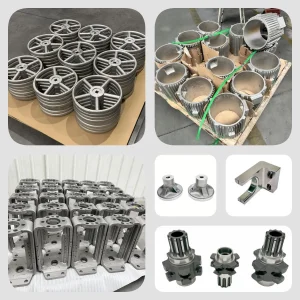
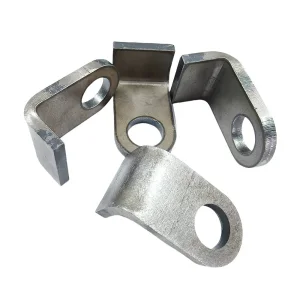
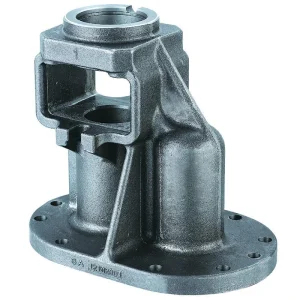
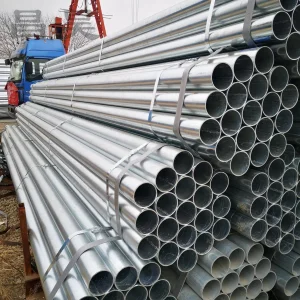
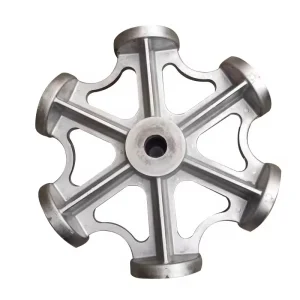
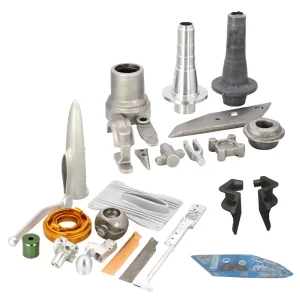
Explore our selection of specialized industrial products, including laser-cut components, galvanized tubes, precision casting parts, and high-tensile carbon wires.
 Campfire Steel