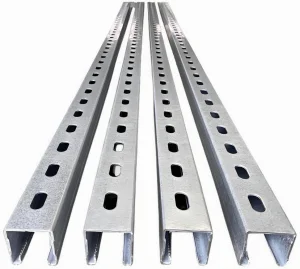
Heavy-duty structural support with hot-dip galvanized protection. Engineered to withstand high seismic loads and structural vibration demands.
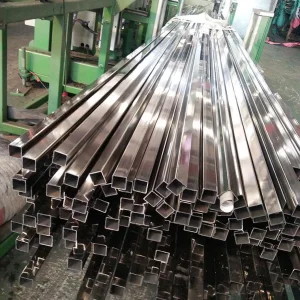
Premium Grade 304 and 316 structural and decorative square tubing. High-gloss mirror-polished surface finish with precision dimensional tolerances.
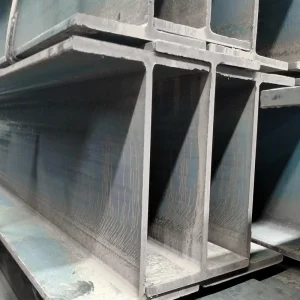
High-strength structural H-beams optimized for modern bridge construction, heavy industrial engineering frameworks, and architectural profiles.
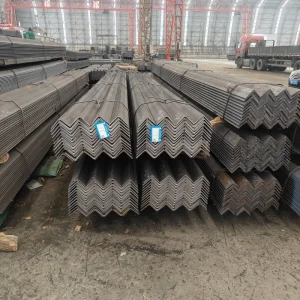
Premium structural angle bars available in versatile industrial grades. Offering excellent weldability, strength, and structural integrity.
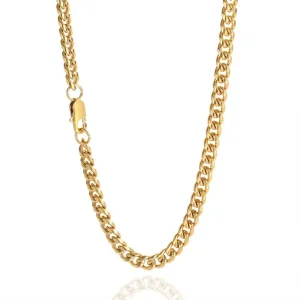
Surgical-grade 316L stainless steel jewelry components. Exceptional corrosion resistance, high tensile strength, and skin-friendly properties.
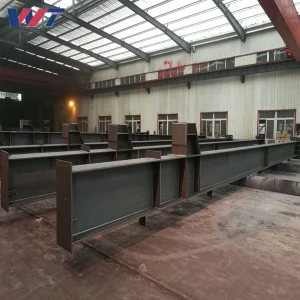
All-in-one custom industrial structural steel fabrications including painting, welding, and precise processing to engineering layouts.
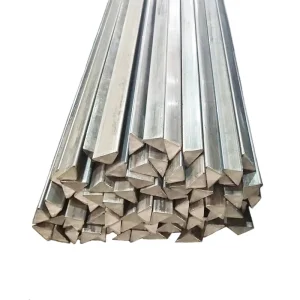
Tailored hot-rolled special profiles created to exact architectural and heavy mechanical engineering configurations with precision tolerances.
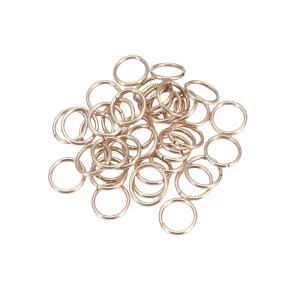
High-efficiency silver solder wire and brazing rods specifically developed for joint integrity in stainless steel and copper welding applications.
In the modern manufacturing landscape, the selection and custom fabrication of stainless steel sheets represent a critical engineering choice for major projects globally. Stainless steel is not a singular material, but a broad family of corrosion-resistant iron-based alloys designed to withstand challenging environments, harsh mechanical stresses, and extreme temperatures. For engineers, procurement officers, and project developers, understanding the metallurgical nuances of stainless steel sheets, the mechanical advantages of tailored processing, and the strategic positioning of top suppliers is essential to achieving project sustainability and cost efficiency.
"The essence of custom stainless steel sheet manufacturing lies in matching precise chemical configurations with highly controlled cold or hot rolling reduction processes to yield optimal mechanical properties and surface structures." — HEIBEI CAMPFIRE STEEL Metallurgy Research Team
The global demand for high-strength, corrosion-resistant materials is expanding rapidly across infrastructure, chemical processing, medical fields, and automotive design. Stainless steel sheets are recognized for their sustainable life cycle, low maintenance footprint, and superior durability. Globally, modern manufacturing relies heavily on custom dimensions and specialized surface finishes to cut down on raw material wastage, minimize post-production machining, and speed up assembly lines.
In regions such as North America and Europe, stringent environmental and safety regulations require materials that resist oxidation and maintain high yield strength under mechanical stress. This has driven a transition from standard off-the-shelf sheets to custom-configured variations. Designers specify exact alloying compositions, such as increased molybdenum content to counter pitting in coastal or marine environments, or low carbon content to prevent sensitization during structural welding operations.
Understanding the internal crystal structure of the alloy is critical to selecting the right sheet grade. The main variations include:
| Steel Grade | UNS Designation | Chromium (Cr) % | Nickel (Ni) % | Molybdenum (Mo) % | Primary Applications & Strengths |
|---|---|---|---|---|---|
| 304 | S30400 | 18.0 - 20.0 | 8.0 - 10.5 | - | General equipment, food processing, structural architecture. Highly formable. |
| 304L | S30403 | 18.0 - 20.0 | 8.0 - 12.0 | - | Low-carbon variation. Prevents carbide precipitation during heavy welding. |
| 316 | S31600 | 16.0 - 18.0 | 10.0 - 14.0 | 2.0 - 3.0 | Chemical vessels, marine hardware, pharmaceutical environments. High pitting resistance. |
| 316L | S31603 | 16.0 - 18.0 | 10.0 - 14.0 | 2.0 - 3.0 | Low-carbon marine grade. Exceptional corrosion resistance post-welding. |
| 309S | S30908 | 22.0 - 24.0 | 12.0 - 15.0 | - | High-temperature oxidation resistance. Used in heat exchangers and furnace parts. |
| Duplex 2205 | S32205 | 22.0 - 23.0 | 4.5 - 6.5 | 3.0 - 3.5 | High mechanical strength, exceptional stress corrosion cracking resistance. |
A primary competitive advantage of custom stainless steel sheet manufacturing is the ability to deliver exact surface conditions and mechanical qualities. Surface morphology is critical not only for aesthetics but also for preventing microscopic dirt, bacteria, or chlorides from accumulating in surface crevices. Common industrial surface configurations include:
Chinese steel mills, represented by advanced hubs like HEIBEI CAMPFIRE STEEL CO., LTD., have transformed global supply chains through massive capital investments in automated hot and cold rolling systems. The efficiency of a leading Chinese factory is not based simply on lower operating costs, but on advanced production integration:
Integrated Production Lines: From blast furnace smelting and continuous casting to finishing and custom shearing, modern Chinese mills utilize unified operations. This limits energy losses from reheating and maintains tight control over chemical consistency.
Advanced Thickness Controls: Utilizing Automatic Gauge Control (AGC) systems and laser scanning technologies, mills achieve precise thickness tolerances across large runs, minimizing material variation and optimizing laser cutting processes for end-users.
Logistical Advantage: Close proximity to major deep-water ports like Tianjin and Qingdao ensures quick access to international shipping routes. Streamlined export handling and custom shipping packaging prevent material degradation or scratching during transit.
Depending on the operating environment, custom stainless steel sheets must be processed to meet specialized performance challenges:
The global steel industry is transitioning toward greener manufacturing techniques. Major developments include the use of Electric Arc Furnaces (EAF) powered by renewable energy, which significantly reduces the carbon footprint per ton compared to traditional basic oxygen furnaces. The integration of artificial intelligence and machine learning allows for real-time monitoring of grain growth during annealing, predicting tensile strengths, and identifying surface defects dynamically. This ensures that every sheet matches international standards while meeting modern corporate sustainability metrics.
For over two decades, HEIBEI CAMPFIRE STEEL CO., LTD. has established benchmarks in manufacturing high-precision carbon and stainless steel structures, helping companies across 150+ countries optimize their supply chains.
In the steel industry, customer care goes beyond standard dimensional tolerance checks. We work alongside our clients to optimize material performance, helping them streamline their manufacturing processes. HEIBEI CAMPFIRE Steel Co., Ltd. is committed to absolute customer trust—providing a comprehensive promise to accept returns if products fail to meet verified specifications.
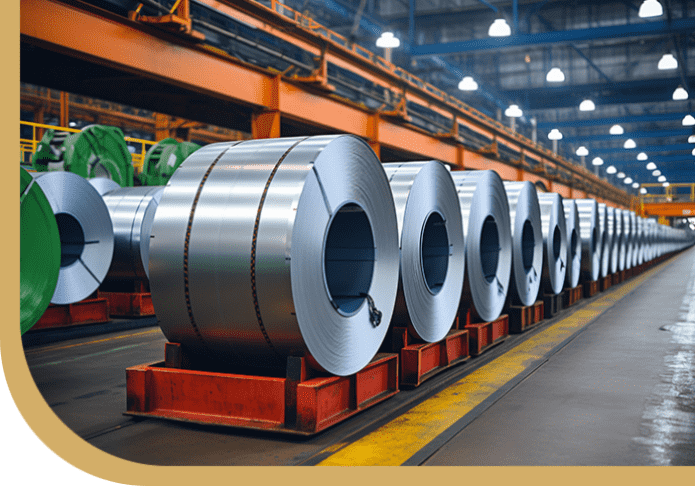
Explore our major high-performance alloy offerings. Our extensive production capacities include Carbon Steel Plate, Carbon Steel Coil, Carbon Steel Pipe, Carbon Steel Bar, Stainless Steel Plate, Stainless Steel Coil, Stainless Steel Pipe, Color Coated Coil, Galvanized Sheet, and Corrugated Zinc Roofing. We provide short lead times, reliable quality control, and dependable after-sales support.
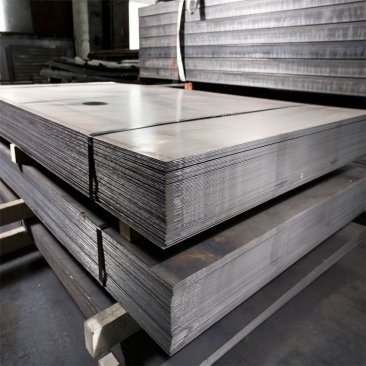
Complying with ASTM and EN standards, these structural carbon plates provide excellent welding performance, mechanical strength, and reliable longevity for civil infrastructure.
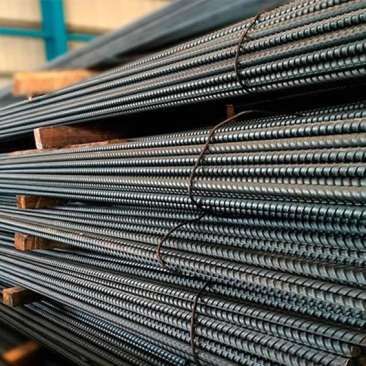
High-bond steel bars designed for reinforced and prestressed concrete structures. Available in plain round, ribbed, and custom-twisted shapes.
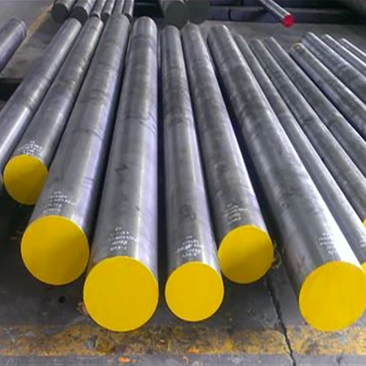
Chromium-molybdenum low-alloy steel bar offering excellent toughness, high fatigue strength, resistance to wear, and consistent responsiveness to heat treatment.
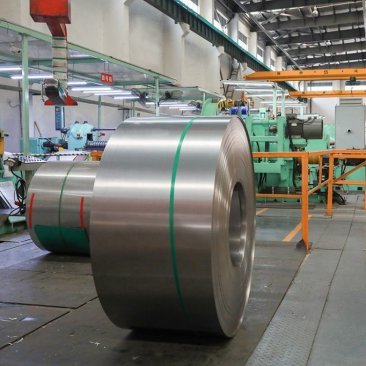
Low-carbon coil ideal for automotive accessories, hardware, medical devices, chemical processing, aerospace components, and heavy structural assemblies.
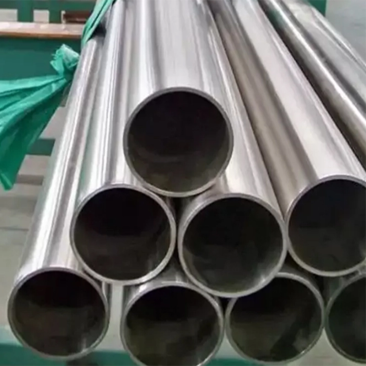
Ultra-low carbon chemical pipe (C ≤ 0.03%). Prevents sensitization and intergranular corrosion during welding, offering superior performance in marine environments.
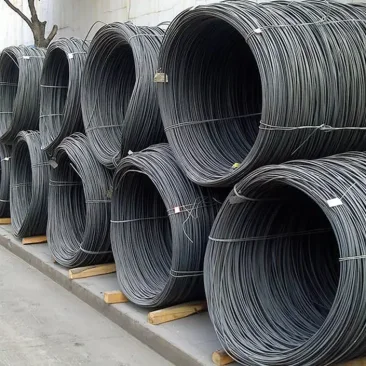
Premium alloyed or carbon steel wire rods processed through precision hot rolling and cold drawing. Delivered in stable, high-tensile packaged coils.
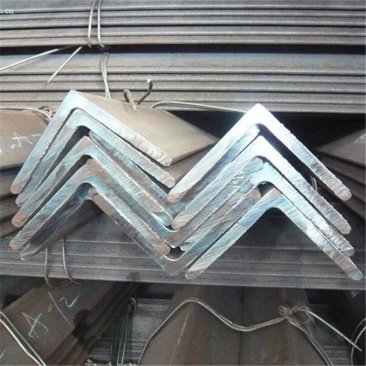
Heavy-duty structural framing angles designed for high-voltage transmission towers, industrial crane structures, and construction frameworks.
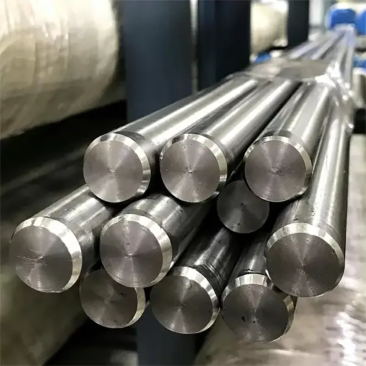
Highly alloyed chromium-nickel bars engineered for extreme temperature resistance, oxidation longevity, and excellent mechanical performance.
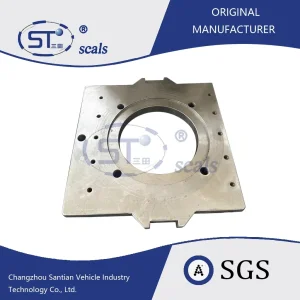
Multi-axis CNC milling, turning, and precise forging services for heavy machinery, automotive components, and custom engineering projects.
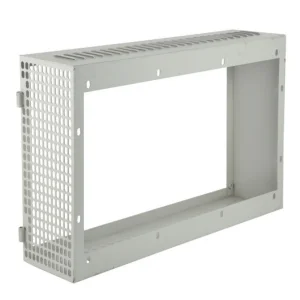
Heavy structure welding, assembly, and high-performance weather-resistant coatings designed for bridges, industrial sheds, and marine facilities.
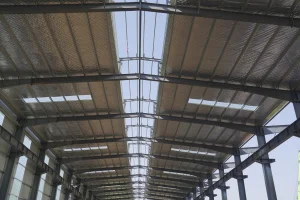
Ready-to-assemble pre-engineered portal steel frames, optimized for warehouse facilities and commercial storage structures with hot-dip galvanized coating.
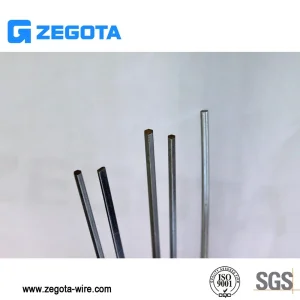
Specialized high-strength profile wire shaped to exact mechanical drawings for heavy-duty springs, customized fasteners, and structural cables.
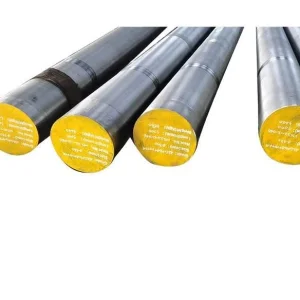
Medium-carbon engineering steel bars providing high strength, good machinability, and responsive heat treatment for axles, shafts, and keyways.
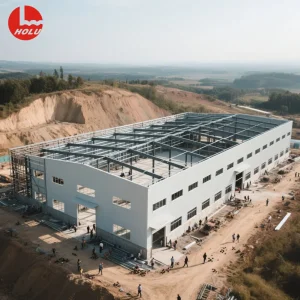
Complete modular industrial warehouse and workshop solutions featuring high-span galvanized frames for long service life under heavy weather loads.
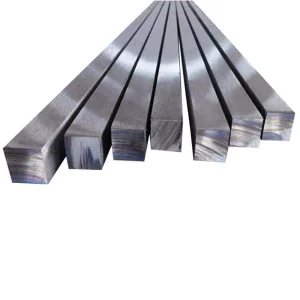
High-strength duplex square bars showing exceptional resistance to stress corrosion cracking, acidic deterioration, and high pressure mechanical wear.
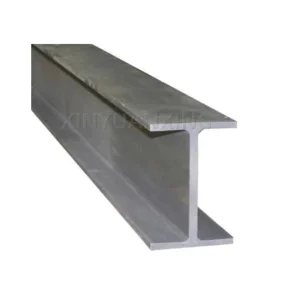
Multi-standard compliant structural carbon steel H and I-shape structural profiles. Engineered to withstand high load demands in modern civil construction.
Industrial purchasing requires rigorous verification of material chemistry and testing parameters. Below, our technical engineering division addresses key procurement queries to assist you in making informed material choices.
L-grade stainless steels, such as 304L and 316L, restrict the carbon content to a maximum of 0.03% (compared to 0.08% in standard grades). During high-temperature welding, excessive carbon tends to bond with chromium, forming chromium carbides along the grain boundaries—a process known as sensitization. Sensitization depletes the chromium near the boundaries, leaving the steel vulnerable to intergranular corrosion. By selecting L-grade custom sheets, you prevent carbide precipitation and maintain optimal corrosion resistance near welded joints without needing post-weld annealing.
A standard Mill Test Certificate (MTC) conforming to EN 10204 3.1 verifies the material's structural traceability and quality compliance. It includes the heat number, chemical composition breakdown (percentage of Carbon, Silicon, Manganese, Phosphorus, Sulfur, Chromium, Nickel, Molybdenum, and Nitrogen), mechanical properties (yield strength, tensile strength, elongation percentage, and hardness rating), dimensional inspections, and non-destructive testing (NDT) results (such as ultrasonic or hydrostatic checks). This ensures that every sheet received meets ASTM, EN, or JIS engineering parameters.
Duplex 2205 features a balanced two-phase microstructure of approximately 50% ferrite and 50% austenite. This structure provides a yield strength nearly double that of 316L, allowing structural engineers to reduce sheet thicknesses and save on overall material weight and cost. Additionally, Duplex 2205 has high concentrations of chromium (22%) and molybdenum (3%), which deliver superior resistance to chloride pitting and stress corrosion cracking in aggressive environments, such as chemical plants and coastal facilities.
We employ advanced precision processing machinery. Our decoiling and shearing lines are integrated with automatic levelers and hydraulic tension units to eliminate residual coil set, ensuring optimal flatness across the sheet length. Precision rotary slitting tools and automated edge-trimming lines maintain width and length tolerances well within ASTM A480/A480M limits, reducing structural fitting errors for our clients.
For high-polish configurations, such as 2B, brushed, or mirror-finished sheets, we apply a protective polyethylene (PE) or laser-compatible film to the surface. The sheets are stacked tightly on heavy-duty wooden or steel pallets, wrapped in waterproof kraft paper, and bound securely with high-strength metal strapping. We place desiccant packs within the plastic wrapping to prevent moisture condensation and oxidation during long ocean voyages, ensuring the material arrives in pristine condition.
 Campfire Steel