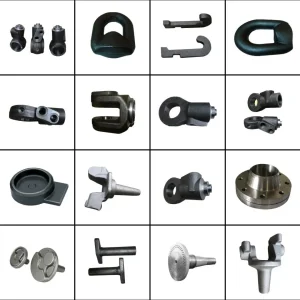
In heavy machinery, marine engineering, power generation, and automotive drivetrains, the performance limits of rotating parts depend heavily on the quality of steel shaft forgings. Standard casting processes cannot match the strength and durability required for these components. Shaft forging reshapes the internal grains of steel, eliminating voids and creating a continuous flow. This structure resists fatigue and high torsional stress. Sourcing these critical parts requires a deep understanding of metal manufacturing, global logistics, and international testing standards.
Modern industrial applications require shaft forgings that can withstand extreme environments. From deep-sea turbine shafts to heavy-duty mining crushers, materials like SCM440, 42CrMo4, and AISI 4140 alloy steel must perform under extreme loads. Selecting a manufacturer is not just about comparing costs; it involves verifying heat-treatment capabilities, non-destructive testing (NDT) workflows, and material traceability back to the original steel ladle.
Utilizing high-end materials like AISI 4140, 42CrMo4, and custom stainless grades to guarantee long-term wear resistance under continuous cycling loads.
Open and closed-die forging setups align the internal crystalline grain structures with the shaft’s geometry to maximize fatigue limits.
Every step, from heat treatment records (Quenching & Tempering) to EN 10204 3.1 certification, is documented for compliance verification.
Procurement departments face complex challenges when sourcing heavy steel forgings. They must balance manufacturing capacity, cost, and strict technical standards. High-value shaft forgings require rigorous verification of production processes and testing protocols.
| Evaluation Parameter | Technical Threshold / Standard | Operational Impact |
|---|---|---|
| Non-Destructive Testing (NDT) | UT (ASTM A388), MPI (ASTM A275), Dye Penetrant | Identifies internal hydrogen flakes, voids, and micro-cracks before final machining. |
| Heat Treatment Control | Quench & Temper (Q&T), Normalizing, Stress Relieving | Optimizes hardness gradients and balances tensile strength with fracture toughness. |
| Dimensional Precision | Rough machined (+3mm/-0) or finish machined (ISO G6 tolerance) | Reduces assembly cycle times and minimizes machining waste at the buyer's factory. |
| Certification Protocols | EN 10204 3.1 / 3.2, ABS, DNV-GL, LRS Marine Certs | Meets safety and quality regulations for marine and aerospace applications. |
By partnering with qualified manufacturers who supply complete test reports, global buyers protect their projects from premature shaft failures in the field. An unexpected shaft failure can stop an entire industrial site, leading to expensive downtime.
China's forging industry combines raw material access, specialized clusters, and modern hydraulic press facilities. Large steel mills in China produce high-purity alloy steels, allowing local manufacturers to shorten delivery times for custom projects.
Manufacturers like HEIBEI CAMPFIRE STEEL CO., LTD. and partners in major steel hubs operate 10,000-ton hydraulic forging presses. These machines handle large ingots, achieving the deformation ratios needed to refine the cast structure into high-performance forged steel. This scale also lowers production costs compared to Western manufacturers.
Chinese suppliers offer competitive pricing, high-volume production capacities, and advanced secondary finishing services. The integration of forging, heat treatment, and precision CNC machining within regional industrial hubs makes China a reliable choice for international buyers.
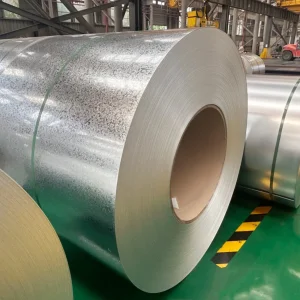
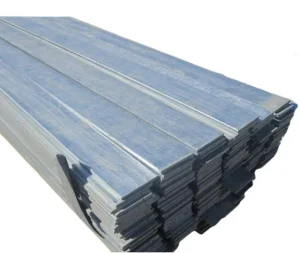
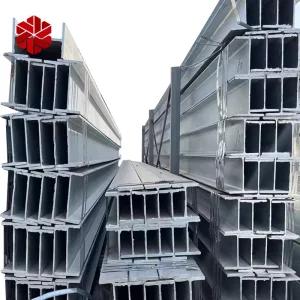
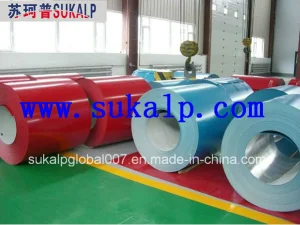
Our major products include Carbon Steel Plate, Carbon Steel Coil, Carbon Steel Pipe, Carbon Steel Bar, Stainless steel plate, Stainless steel coil, Stainless steel pipe, color coated coil, color tile, galvanized sheet, galvanized coil, Galvanized roofing, galvanized zinc, and customized steel forgings.
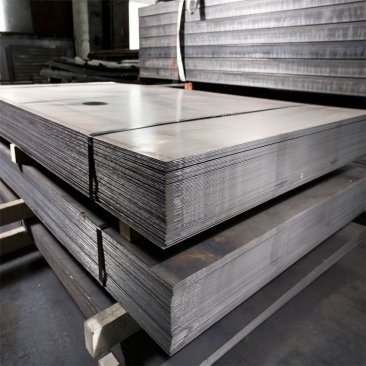
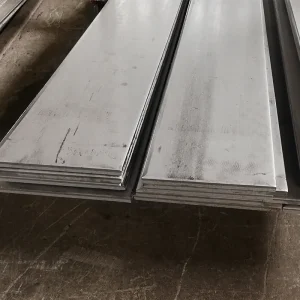
A36 structural plate complies with American ASTM standards. Features excellent weldability, mechanical strength, and is widely utilized in structures, civil construction, and heavy industrial machinery framing.
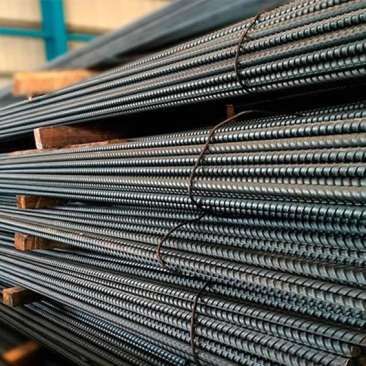
Reinforcing bars designed for concrete reinforcement. Available in plain round and high-yield deformed ribbed configurations for infrastructure projects.
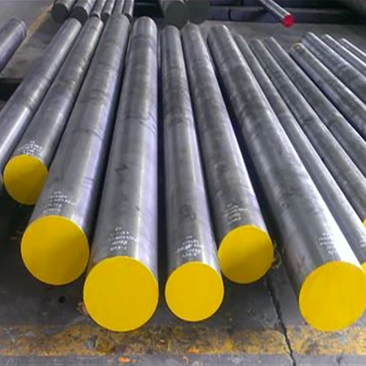
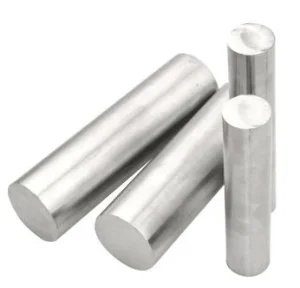
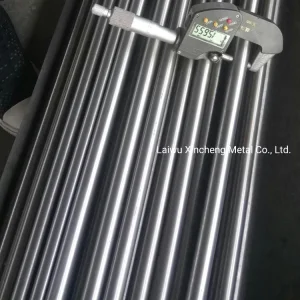
Chromium-molybdenum alloy steel bar featuring excellent strength, toughness, wear resistance, and high hardenability. Ideal for structural shafts and heavy gear forgings.
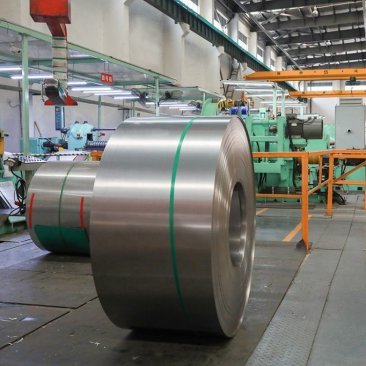
Low carbon austenitic stainless steel offering superior corrosion resistance and high weld stability, serving automotive, food processing, medical, and aerospace industries.
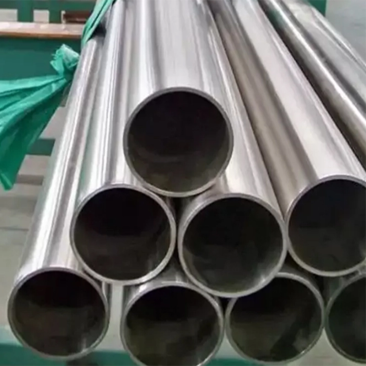
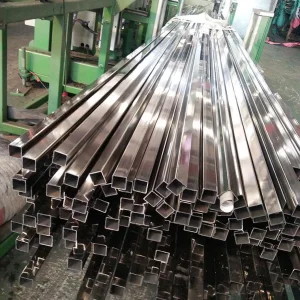
Molybdenum-bearing stainless steel pipe providing exceptional resistance to chlorides and acidic environments, with low carbon content to prevent carbide precipitation during welding.
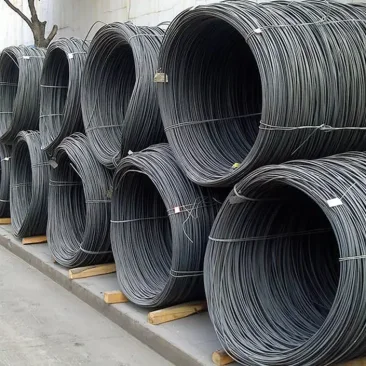
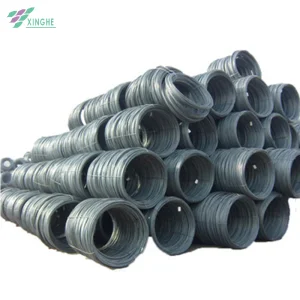
High-quality alloyed and non-alloyed hot-rolled wire coils, designed for subsequent cold drawing into industrial fasteners, high-tension wire, and springs.
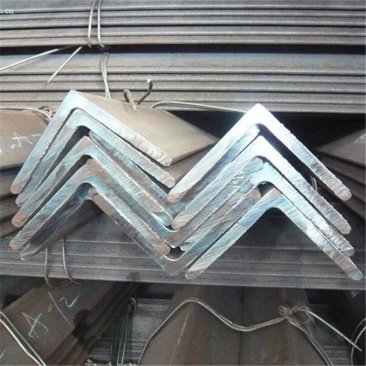
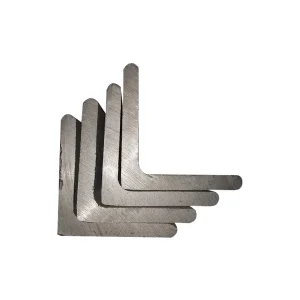
Structural angle steel profiles used to construct high-strength framing, transmission towers, crane booms, and structural reinforcement systems.
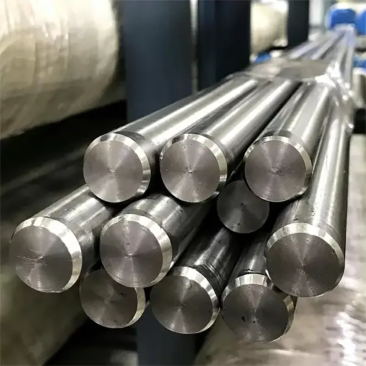
High-temperature resistant stainless steel bar with excellent oxidation resistance, suited for furnace components, heat exchangers, and high-temp shafts.
At HEIBEI CAMPFIRE STEEL CO., LTD., customer care means adding value at every stage of the procurement process. We work closely with our clients to continuously improve steel chemistry, heat-treatment cycles, and dimensional accuracies, helping them optimize their manufacturing workflows.
"We are the only supplier in the industry confident enough in our metallurgical processes to promise to take back products if they fail to meet specified quality standards."
With over 20 years of experience in international trade, we handle customs compliance, marine logistics, and project documentation, ensuring a smooth delivery to your factory.
Different markets require adherence to specific regulatory frameworks. Shaft forgings must comply with various regional standards:
Leading manufacturers address these requirements by employing on-site compliance engineers. These teams prepare documentation in English and provide localized engineering support to help integrate components into regional projects.
Shaft forgings serve as critical components across several high-load applications:
The global forging industry is adopting new manufacturing technologies and sustainability practices. Key developments shaping the future of this sector include:
Manufacturers are testing hybrid processes that combine 3D metal deposition with traditional press forging. This approach allows for local reinforcement and complex shapes with minimal material waste.
By simulating heat treatment cycles digitally, engineers can predict cooling rates, grain growth, and residual stress levels, ensuring consistent mechanical properties throughout the shaft.
To reduce scope 3 emissions, leading producers are using steel made in electric arc furnaces (EAF) powered by renewable energy, supporting environmental goals without compromising material performance.
 Campfire Steel