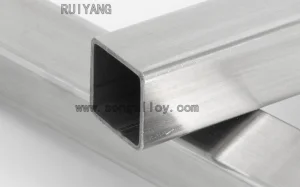
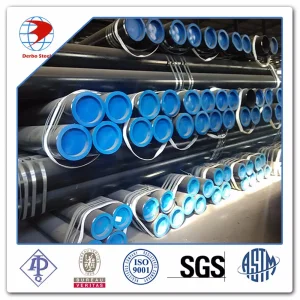
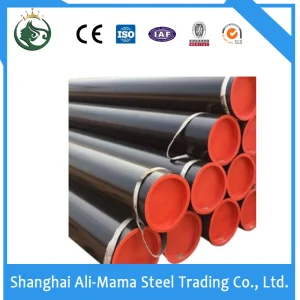
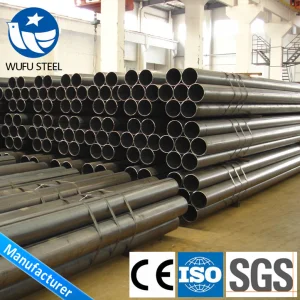
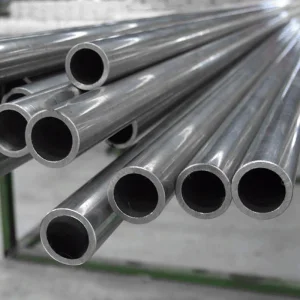
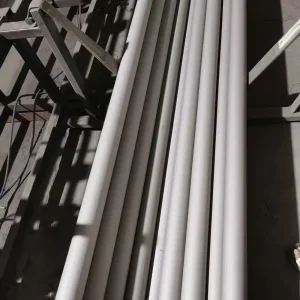
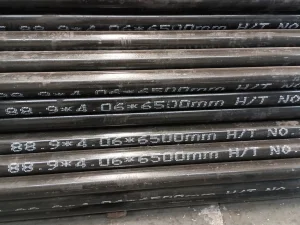
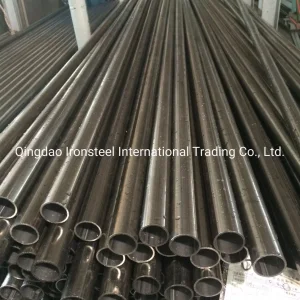
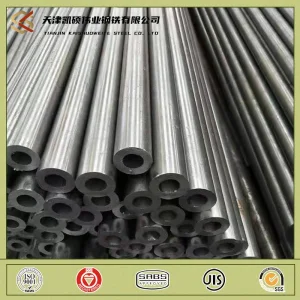
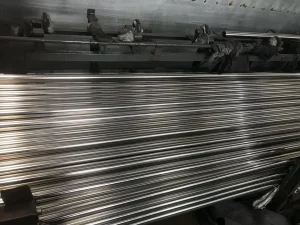
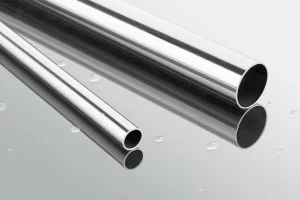
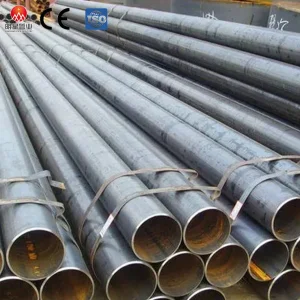
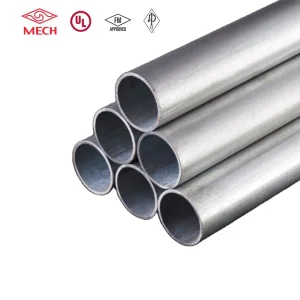
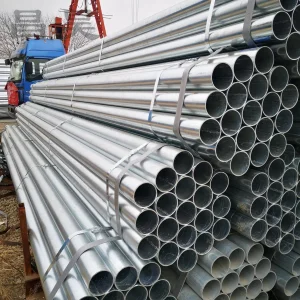
Heavy structural tubing manufactured under rigorous standard tracking systems to withstand harsh desert conditions and intensive load capacities.
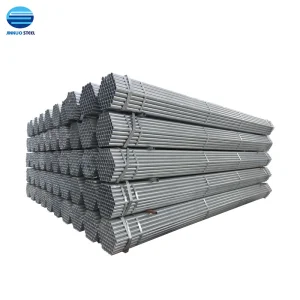
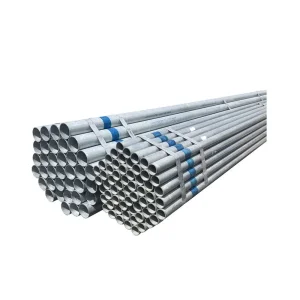
Mali's expanding industrial sector presents specific architectural and metallurgical challenges. From the major gold extraction complexes in the regions of Kayes and Sikasso to large-scale municipal water sanitation installations led by SOMAGEP in Bamako, the demand for highly resilient tubular steel components is expanding rapidly.
The sub-Saharan and Sahelian climatic zones feature extreme diurnal temperature variations and abrasive atmospheric airborne sand particulates. Standard commercial grade piping frequently succumbs to rapid chemical degradation and structural distortion under these harsh conditions. Our high-performance galvanized steel tubes and dense-alloy stainless pipes are engineered with specialized hot-dip zinc matrices and trace molybdenum formulations to maintain high mechanical stability across prolonged exposure timelines.
Furthermore, because Mali relies primarily on land corridors through neighboring coastal gateways such as the Ports of Dakar and Abidjan, shipping logistics demand materials that can survive long-haul transit vibrations without losing dimensional tolerances. Our rigorous pipe-end threading protections and anti-deformative packaging guarantees the arrival of seamless and ERW items completely uncompromised.
Mali's soil chemistry profile varies drastically between river basins and arid zones. Sub-grade pipelines require specialized micro-alloy structural profiles to resist pitting corrosion and internal encrustation.
Bridging elite scale economies with strict quality control protocols to offer cost-optimized engineering solutions across Mali's industrial markets.
By leveraging access to grade-A domestic iron refined under tight computerized ladle metallurgy systems, our structural steel retains superior grain uniformity, providing high yield strengths and uniform wall consistency.
Our production facilities utilize automated continuous solid-state high-frequency induction welding arrays. This layout eliminates local weld seam weak points, guaranteeing structural integrity equal to seamless variants at lower production costs.
With fully integrated domestic logistics, tracking, and customs clearing mechanisms, we streamline transshipment schedules directly to international shipping routes, maintaining stable lead times for project schedules in West Africa.
"For the global steel industry, elite customer service requires adding tangible project value. At HEIBEI CAMPFIRE STEEL CO., LTD., we continuously adapt our processing metrics to assist clients in achieving lean, highly efficient field execution. We stand as an exporter providing full non-conformance product return assurances, backed by more than two decades of global trade excellence."
Deploying specialized chemical properties and dimensions targeted to specific West African field operations.
Mali's heavy gold mining facilities require reliable transport conduits for highly abrasive, chemically corrosive slurries and leaching chemicals. Our premium alloyed seamless tubes and thick-walled carbon lines offer excellent wear resistance, reducing maintenance shutdowns and preventing high-consequence pipeline ruptures.
With water scarcity and soil management being a top priority along the Niger River basin, agricultural projects depend heavily on highly durable casing systems. Our hot-dipped zinc galvanized pipes resist the corrosive profiles of rural sub-surface aquifers, ensuring long-term rust-free water distribution.
Our expansive global inventory covers Carbon Steel Plate, Carbon Steel Coil, Carbon Steel Pipe, Carbon Steel Bar, Stainless Steel Plate, Stainless Steel Coil, Stainless Steel Pipe, color coated coil, color tile, galvanized sheet, galvanized coil, and Galvanized roofing systems. Browse our targeted West African allocations below:
Extending beyond structural tubes to provide full engineering components for custom West African construction and mining setups.
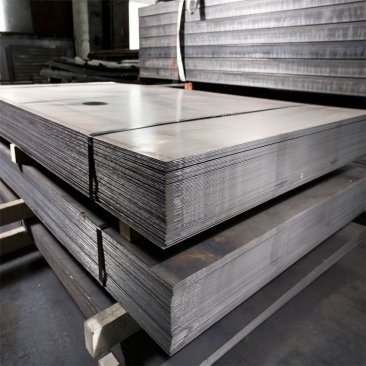
A36 is a carbon structural steel plate whose chemical composition and mechanical properties comply with American ASTM standards. This kind of steel plate has good mechanical properties, welding performance and corrosion resistance, and is widely used in global heavy frameworks.
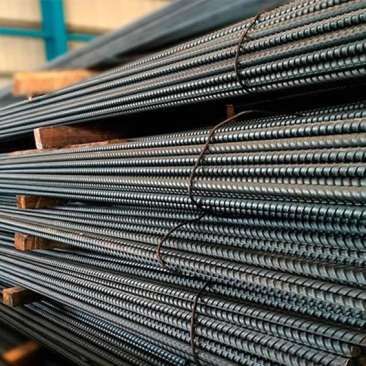
Rebar refers to steel used for reinforced concrete and prestressed reinforced concrete. Its cross section is round, sometimes square with rounded corners. Including plain round reinforcement, ribbed reinforcement and twisted reinforcement options for robust foundations.
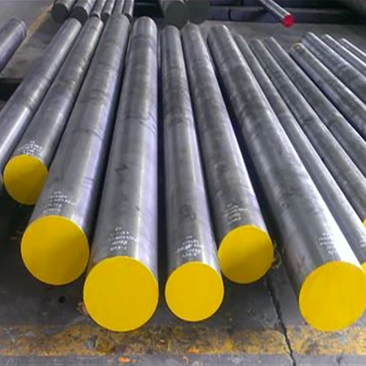
AISI 4140 steel bar is made of a low alloy steel containing chromium, molybdenum and manganese. It has a high carbon content and a good balance of strength, toughness, wear resistance, impact resistance and heat treatment capabilities.
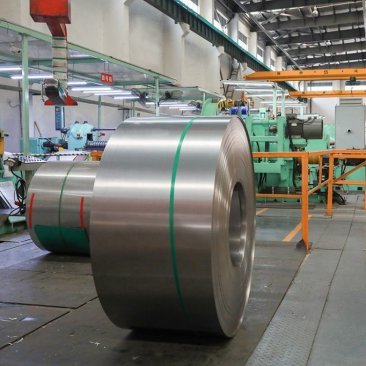
304L stainless steel coil is mainly used in automobile accessories, hardware tools, tableware, cabinets, medical appliances, office equipment, weaving, handicrafts, petroleum, electronics, chemicals, textile, food, machinery, construction, nuclear power, aerospace, military and other industries.
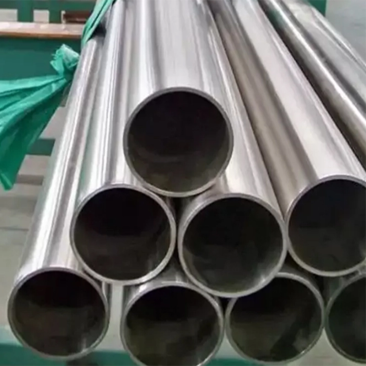
316L stainless steel has a lower proportion of carbon in its composition, the amount of carbon cannot go over 0.03%. This lowers the chance of carbon precipitation, making it an ideal option for welding to ensure maximum corrosion resistance.
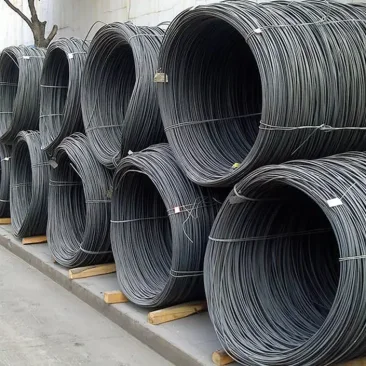
Wire rod is a rolled steel product (alloy or non-alloy), manufactured from a semi-finished steel with a rectangular, rounded, hexagonal or squared shape. Especially, fine cross-sections are reached by sequent cold drawing. Wire rod is wrapped around into the coils and also carried in this form.
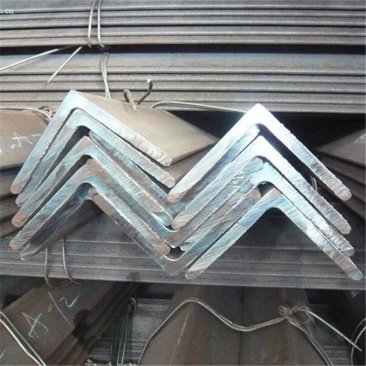
The angle steel is mainly used to make frame structures, such as high-voltage transmission towers, frames on both sides of the main beam of steel structure bridges, columns and booms of tower cranes on construction sites, columns and beams of workshops, etc.
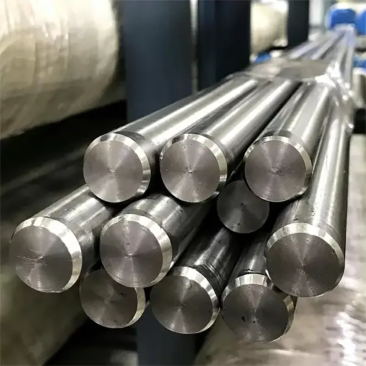
309 stainless steel is a premium grade material featured by excellent corrosion resistance and high temperature performance stability. 309 stainless steel bars are designed specifically for heat treatment processing and high thermal furnace applications across refining environments.
The structural steel landscape is shifting toward high-strength micro-alloying (HSLA). By incorporating precise quantities of vanadium, niobium, and titanium, modern steel pipe manufacturing yields significantly reduced physical wall thicknesses while maintaining equal hydrostatic performance thresholds.
This structural optimization directly decreases the gross deadweight of industrial projects, yielding substantial savings across maritime freight and inland cross-border African overland shipping routes. Furthermore, international environmental protocols are accelerating the integration of sustainable blast furnace metrics, guaranteeing that modern structural piping satisfies green procurement mandates without compromising tensile yield thresholds.
Industrial purchasing agents often experience supply disruptions due to poor order tracking or sub-standard packaging methods. Our logistics team provides complete end-to-end transparency:
Direct authoritative engineering answers addressing common metallurgical concerns and logistical workflows for the West African corridor.
Malian mining extraction relies on API 5L (Grade B through X70) specifications for fluid transmission and ASTM A106/A53 Grade B for high-temperature, high-pressure processing lines. Our production lines subject every item to continuous non-destructive testing (NDT), including ultrasonic testing and hydrostatic pressure validation up to factory certified limits, ensuring full resistance to acidic and abrasive mine tailings.
We implement a multi-layer surface treatment regimen. For standard carbon items, a specialized premium black rust-inhibitive oil or passivated surface varnish is mechanically applied. For galvanized pipelines, our hot-dip process ensures a minimum zinc layer thickness of 45-70 microns (300-500 g/m²). Bundles are wrapped in heavy-duty waterproof woven polymer protective sleeves and bound with heavy steel strapping to survive ocean moisture and overland dust exposure.
Yes. Our manufacturing facility features flexible sizing automation. We supply standard schedules including Sch 40, Sch 80, Sch XS, and Sch XXS, along with non-standard millimeter wall calibrations ranging from 1.5mm up to 60mm. Custom length arrays can be optimized up to 12-meter single joints to match specialized container loading footprints and minimize field-welding times.
Every shipment is accompanied by complete documentation, including an authentic Mill Test Certificate (MTC) conforming to EN 10204 3.1, detailed Bill of Lading, packing slips, commercial invoices, and Certificate of Origin documents. Third-party testing verifications via international bureaus such as SGS, BV, or Intertek can be coordinated prior to factory dispatch.
As part of our commitment to quality assurance, if any batch fails certified field inspection parameters due to manufacturing defects or compositional variance, we provide a full product return or replacement arrangement. Claims are assessed via digital video inspection or local testing metrics to ensure rapid turnaround times for your project.
Get in touch with our international engineering division for formal quotations and technical cross-referencing within 24 hours.
 Campfire Steel