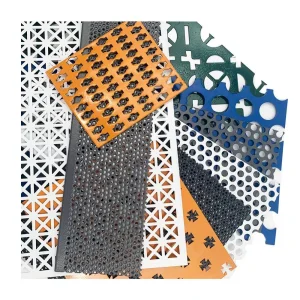
Engineered to align with strict Detroit mechanical and structural tolerances, our premium steel sheets provide robust solutions for Tier-1 automotive stampers and structural engineers.
Analyzing the evolution of automotive manufacturing and structural engineering requirements in the Midwest.
Detroit, Michigan, remains the undisputed epicenter of North American automotive engineering and industrial design. As local Tier-1 and Tier-2 manufacturers migrate toward lightweighting strategies and advanced electric vehicle (EV) architectures, the procurement requirements for metal sheets have grown exponentially complex. Stamping facilities and toolmakers throughout Detroit require steel sheets with ultra-high yield strengths, extreme flat-surface control, and minimal thickness tolerances.
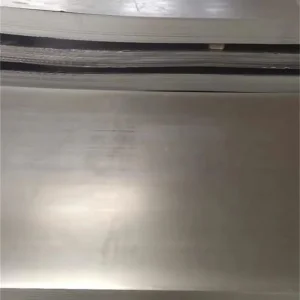
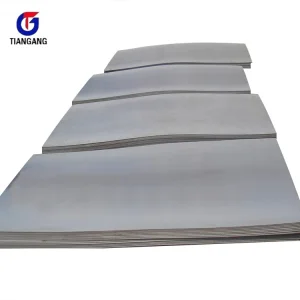
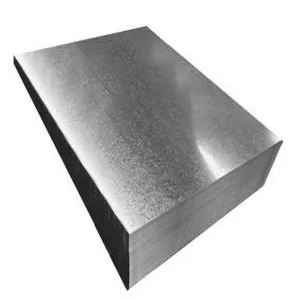
We deliver an expanded product portfolio engineered precisely to bridge this gap. Our material shipments comply strictly with standard automotive guidelines (including ASTM A1008, ASTM A240, and SAE specifications), ensuring that our cold-rolled, hot-rolled, and galvanized steel sheets perform consistently under heavy mechanical stamping, drawing, and precision shearing.
Our steel processing lines execute exact thickness monitoring to guarantee compliance within fractions of a millimeter, reducing tool wear and stamping press failures in high-volume production lines.
By leveraging controlled annealing processes, we optimize the ferrite-pearlite ratio in carbon sheets to deliver excellent drawability and ductility for intricate automotive components.
Modern industrial purchasing centers are actively pivoting away from basic commodity purchasing toward collaborative partnership models. General supply chain volatility demands that regional distributors in Michigan maintain high stock availability, but also that global manufacturing hubs execute seamless delivery schedules. To address these demands, we integrate advanced manufacturing intelligence with global logistics operations to service the Midwest industrial corridor.
Years of Export Expertise
Active Professional Employees
Countries and Regions Served
How digital integration, automation, and logistical precision drive performance for international procurement.
Automated rolling mills minimize scrap rate, maintaining optimal production margins that translate directly into competitive procurement pricing for our US clients.
Real-time automated thickness scanners inspect every millimeter of sheet width, marking surface irregularities instantly to prevent flawed shipments.
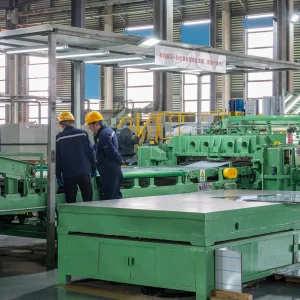
Our domestic smart factory operations rely on a tightly integrated digital infrastructure. Utilizing advanced manufacturing automation, our hot and cold rolling mills achieve high material uniformity across long production runs. Continuous chemical inspection ensures that carbon content, sulfur levels, and alloying components remain exactly within specifications.
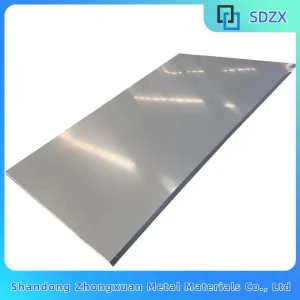
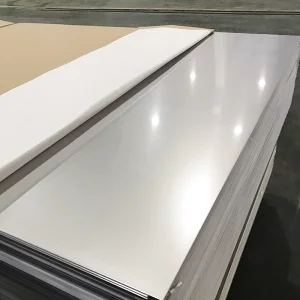
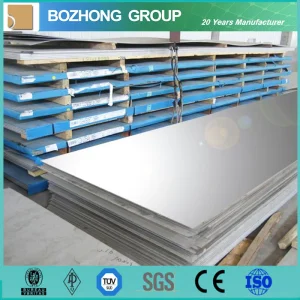
For Detroit purchasers, this translates to predictability. When stamping structural automotive sections or manufacturing exterior architectural cladding, you receive steel sheets with identical grain orientation and physical properties from the first sheet to the last. Our process flexibility enables custom edge processing, dynamic slitting, and surface conditioning options ranging from bright annealed (BA) to standard 2B and mirror polished finishes.
Furthermore, as an established manufacturer, Heibei Campfire Steel Co., Ltd. offers a comprehensive quality pledge: we are the only organization in our tier that stands by a contractual promise to accept returned materials if they do not conform to structural standards. This dedication reduces risk for overseas procurement operations, offering an alternative to local domestic sourcing.
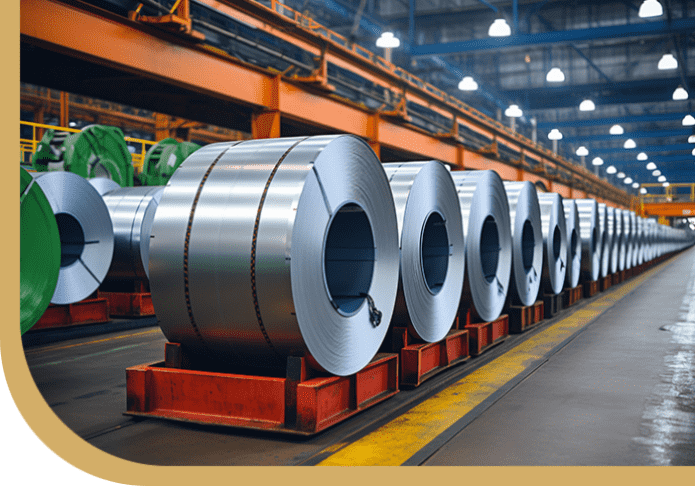
For the global steel industry, customer care goes beyond standard quality control and timely delivery. We focus on adding real value. Our engineering departments work directly with purchasing teams to optimize steel grade selection, helping factories achieve smoother, more efficient manufacturing processes. We combine 20+ years of export experience with a scale of operations encompassing over 3,000 employees.
Send Inquiry NowHow our custom steel grades perform across diverse mechanical, automotive, and industrial applications.
High-formability cold rolled steel sheets (DX51D, ASTM A1008) serve as the foundation for body-in-white (BIW) panels, door skins, and internal frame reinforcements in Detroit assembly operations.
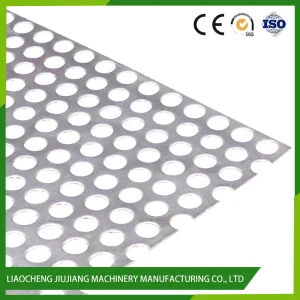
Custom perforated galvanized and stainless steel panels are optimized for exhaust shrouds, heavy machinery protective screens, and complex air-filtration systems within manufacturing plants.
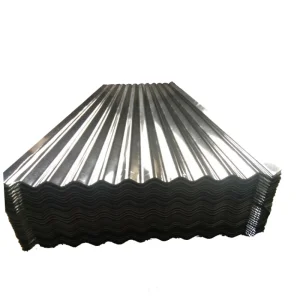
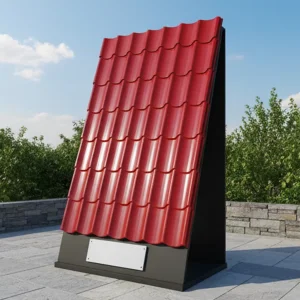
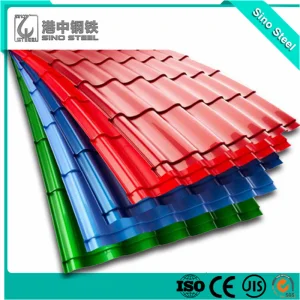
Prepainted galvanized steel roof tiles and corrugated panels (PPGI) provide structural durability and rust protection for large commercial warehouses and distribution hubs across the Midwest.
Explore our full range of structural carbon plates, alloy bars, galvanized coils, and specialty roofing solutions.
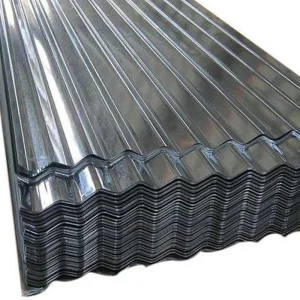
Explore specialized industrial steel options, from high-strength structural profiles to custom alloy bars.
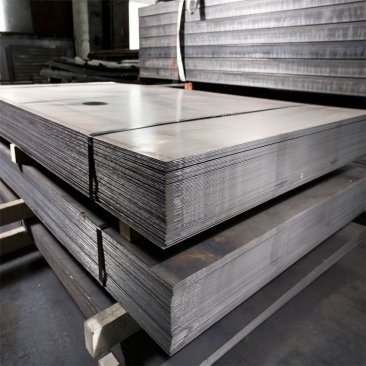
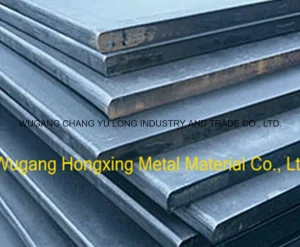
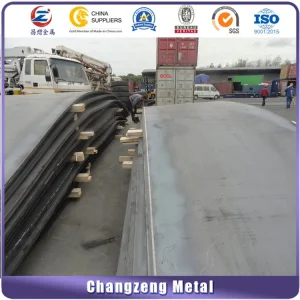
A36 is a carbon structural steel plate whose chemical composition and mechanical properties comply with American ASTM standards. This kind of steel plate has good mechanical properties, welding performance and corrosion resistance...
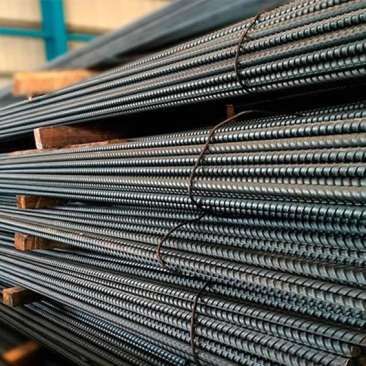
Rebar refers to steel used for reinforced concrete and prestressed reinforced concrete. Its cross section is round, sometimes square with rounded corners. Including plain round reinforcement, ribbed reinforcement and twisted reinforcement...
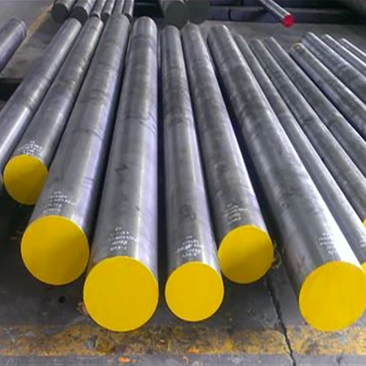
AISI 4140 steel bar is made of a low alloy steel containing chromium, molybdenum and manganese. It has a high carbon content and a good balance of strength, toughness, wear resistance, impact resistance and heat treatment capabilities...
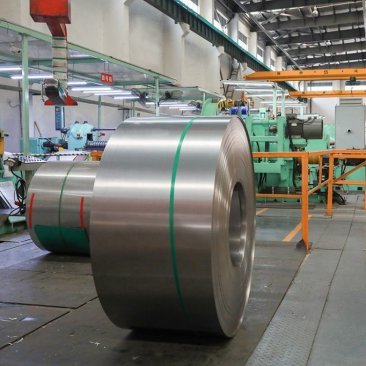
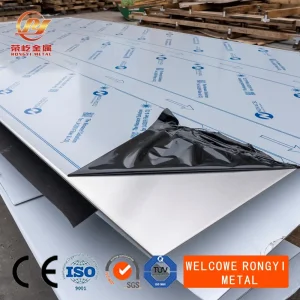
304L stainless steel coil is mainly used in automobile accessories, hardware tools, tableware, cabinets, medical appliances, office equipment, weaving, handicrafts, petroleum, electronics, chemicals, textile, food, machinery, construction, nuclear power, aerospace...
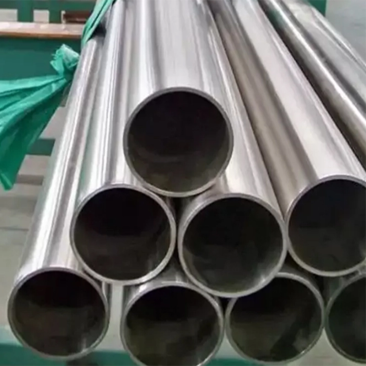
316L stainless steel has a lower proportion of carbon in its composition, the amount of carbon cannot go over 0.03%. This lowers the chance of carbon precipitation, making it an ideal option for welding to ensure maximum corrosion resistance...
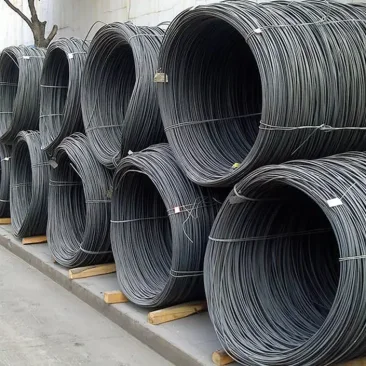
Wire rod is a rolled steel product (alloy or non-alloy), manufactured from a semi-finished steel with a rectangular, rounded, hexagonal or squared shape. Especially, fine cross-sections are reached by sequent cold drawing...
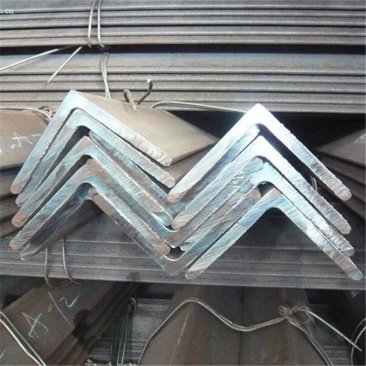
The angle steel is mainly used to make frame structures, such as high-voltage transmission towers, frames on both sides of the main beam of steel structure bridges, columns and booms of tower cranes on construction sites, columns and beams of workshops, etc...
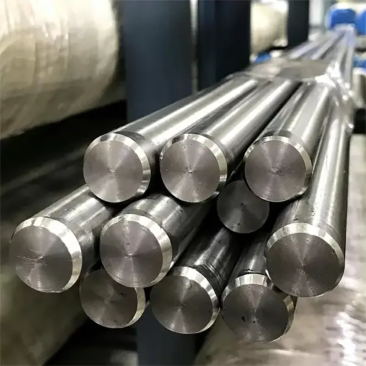
309 stainless steel is a stainless steel material featured by excellent corrosion resistance and high temperature performance. 309 stainless steel bars are commonly utilized in thermal processing machinery and marine infrastructure...
Metallurgical details, processing capabilities, and export logistics answers for procurement managers.
A: We manufacture our products to comply with ASTM and SAE standards, including ASTM A1008 for cold-rolled steel and ASTM A240 for stainless steel. This guarantees strict mechanical properties, including tensile strength, yield strength, and elongation, which are necessary for automotive stamping and structural components.
A: We provide standard test certificates (MTC) according to EN 10204 3.1 for all shipments. Additionally, we are the only exporter offering a clear guarantee: if the material fails to meet the specified standards upon arrival and testing, we will accept a return or exchange, backed by our 20+ years of export experience.
A: Our products undergo rust-preventative oil application before being wrapped in waterproof paper, secured with steel strapping, and loaded into containers. We also offer galvanized coatings (ranging from Z80 to Z275) to protect against rust in humid transit conditions.
A: For standard sizes in our inventory, we can prepare shipments in 7 to 10 days. For custom requirements involving specific sizes, finishes, or stamping, our automated mills complete production in 20 to 30 days, ensuring consistent quality throughout the batch.
Consult with our engineering team to select the right steel grade, thickness tolerances, and finishes for your manufacturing requirements.
Send Inquiry Now Campfire Steel