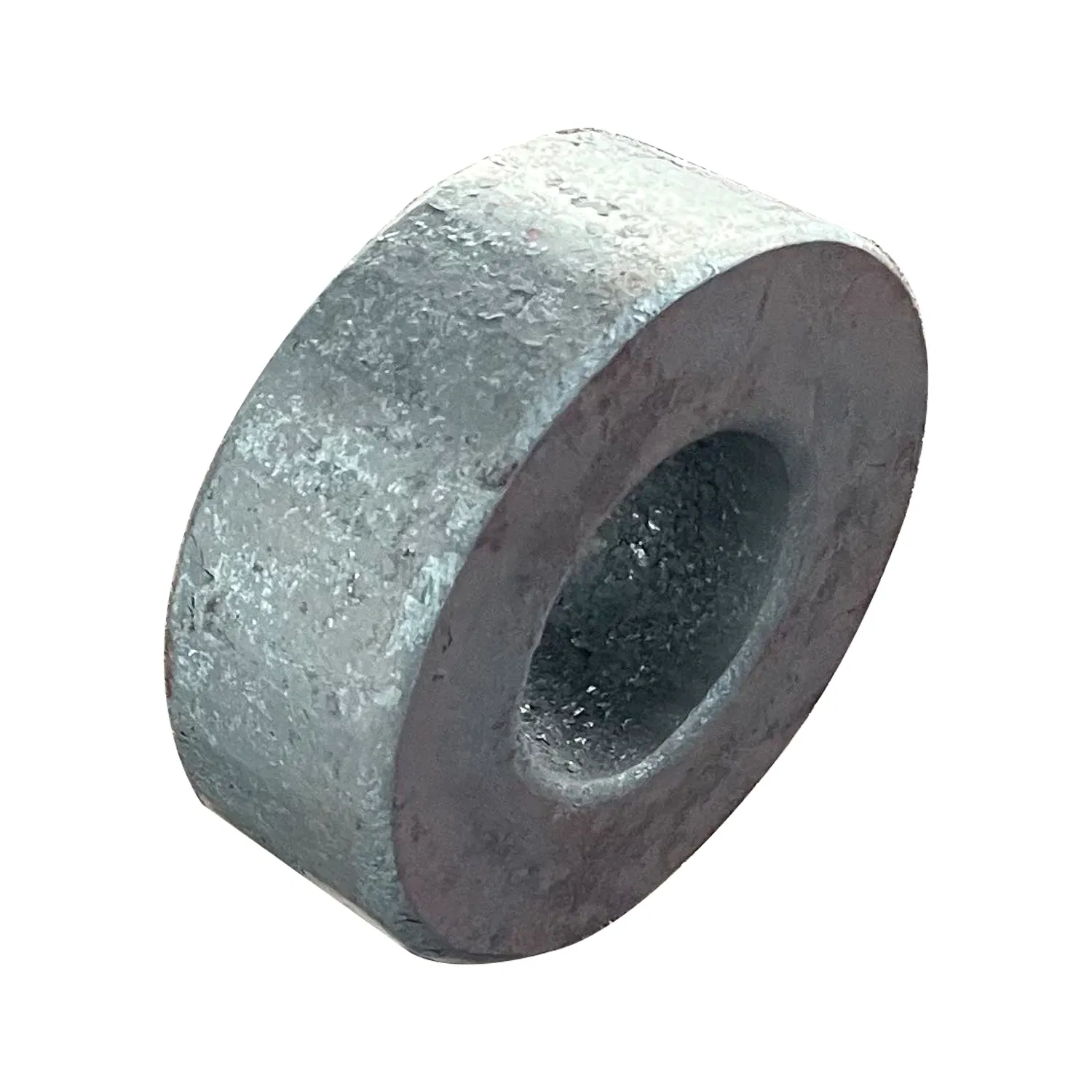
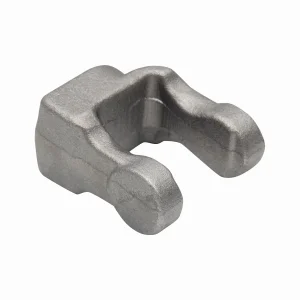
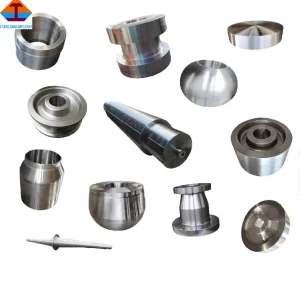
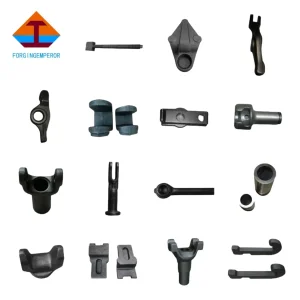
1cr13mo Alloy Structure Steel Ring Forging Steel Bar

Still deciding? Get samples of $ !
Request Sample

Product Description

📊

Basic Info

Molding Technics
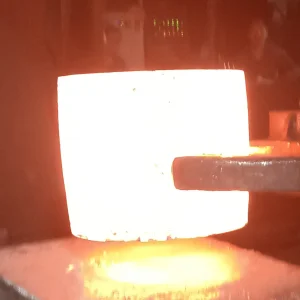
Hot Forging
Application
Machinery Parts
Material
Steel
Heat Treatment
Tempering
Surface Treatment
Rough Machining
Forging Tolerance
0~+5mm
Standard
GB
Certification
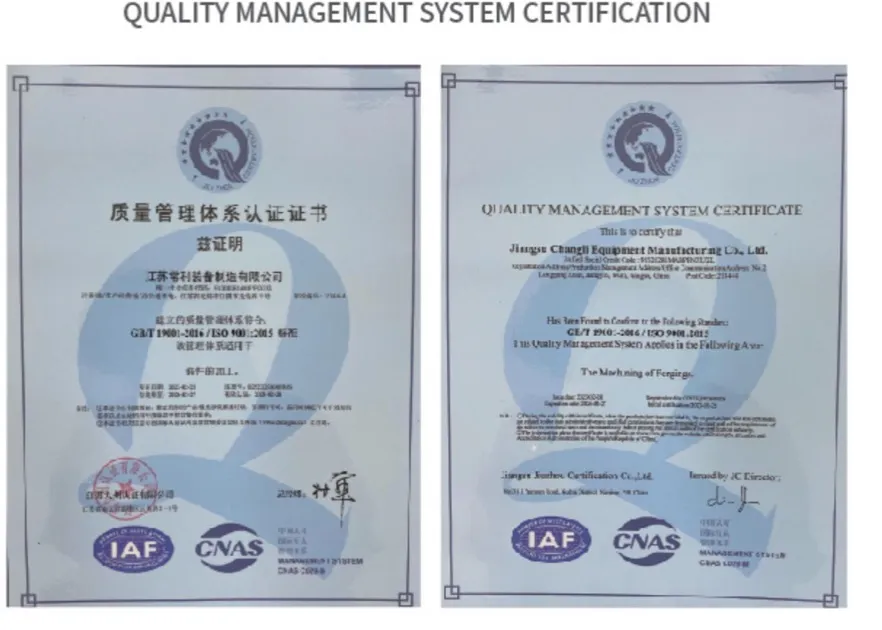
GB/T19001-2016,ISO9001:2015
Usages
Heavy Machinery,Train Wheel,Pump, Winning Equipmen
Shape
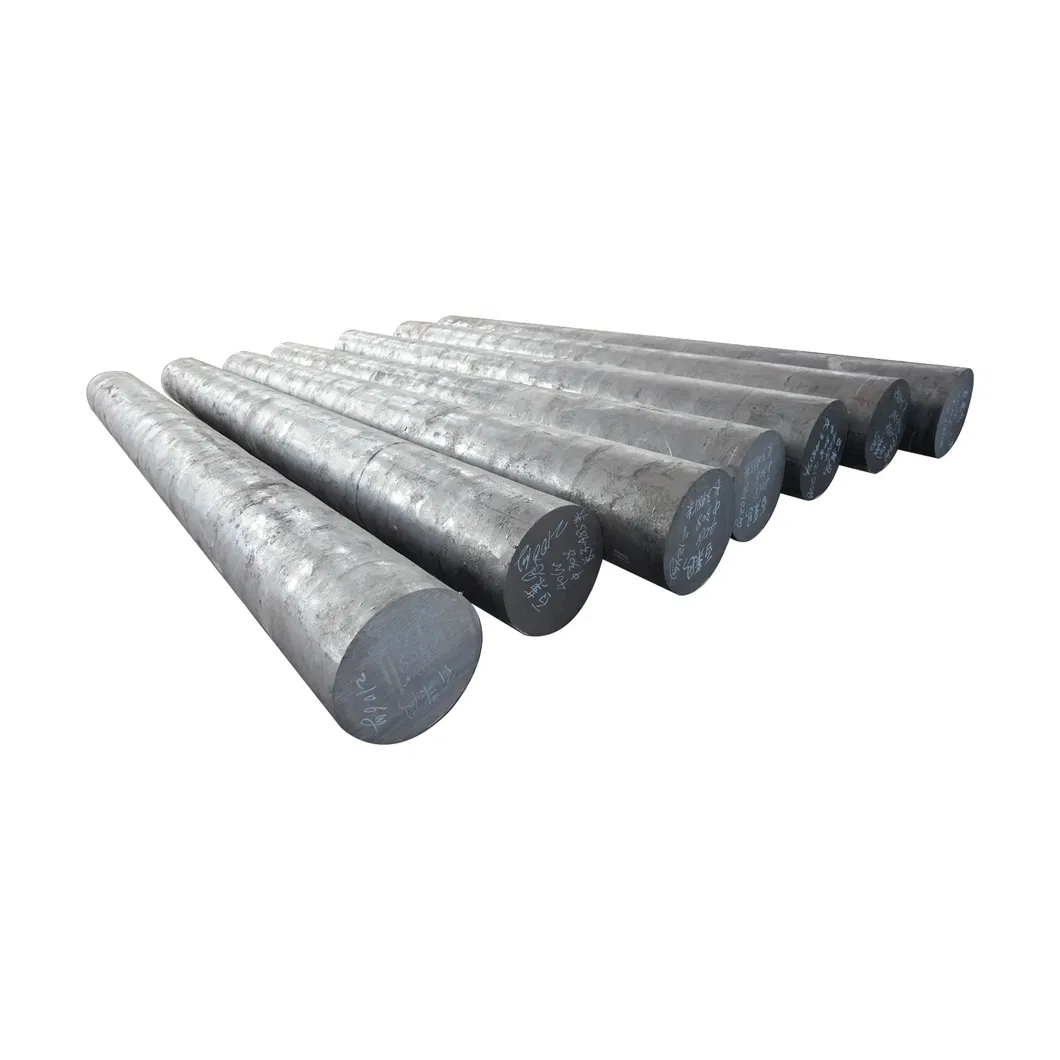
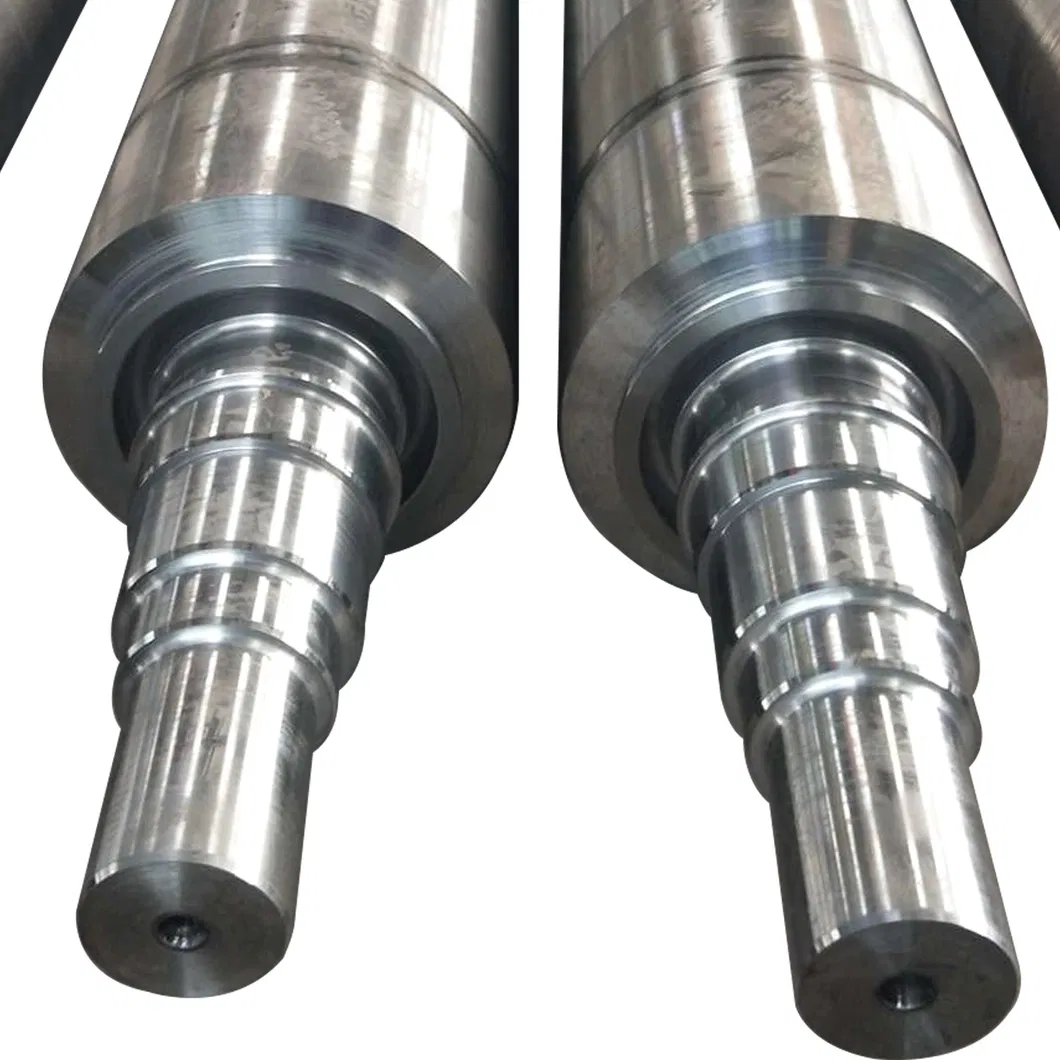
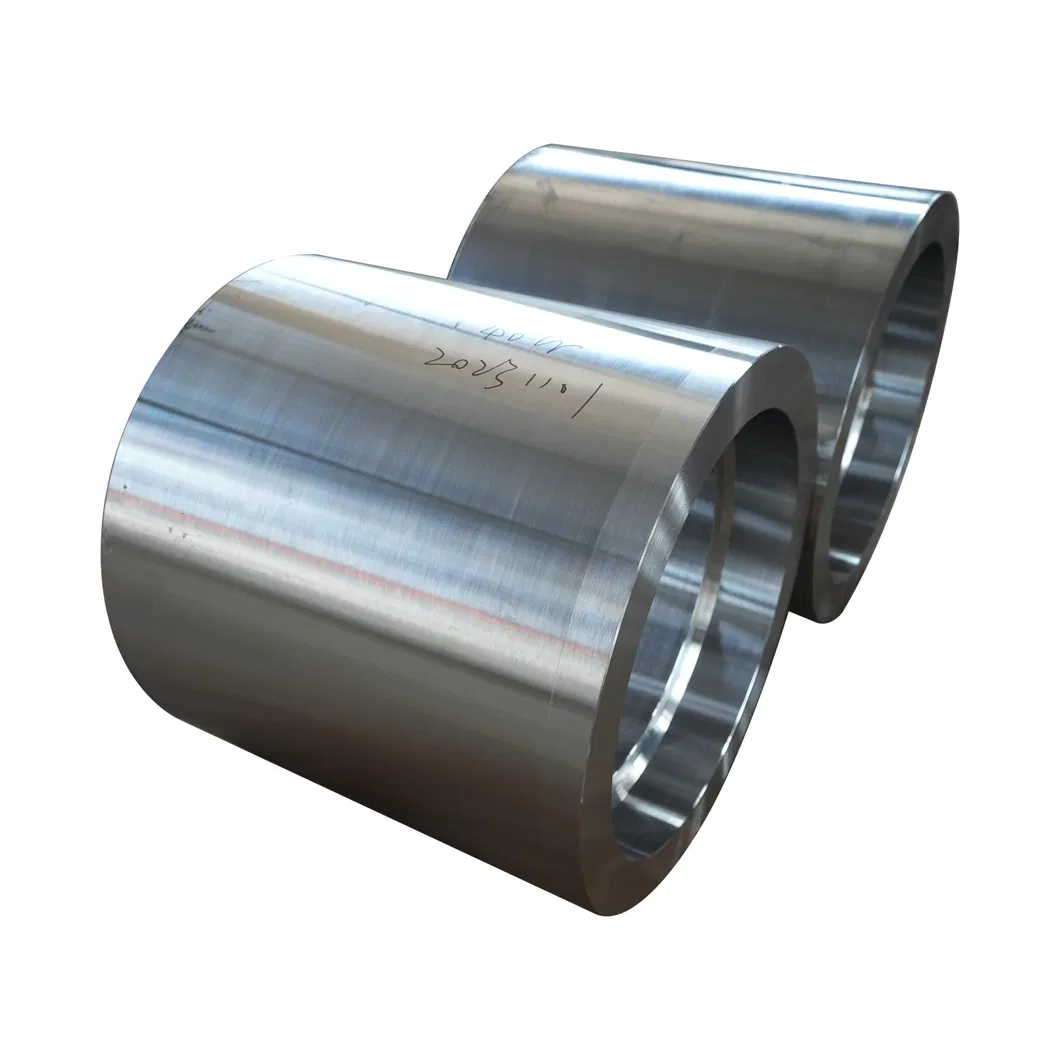
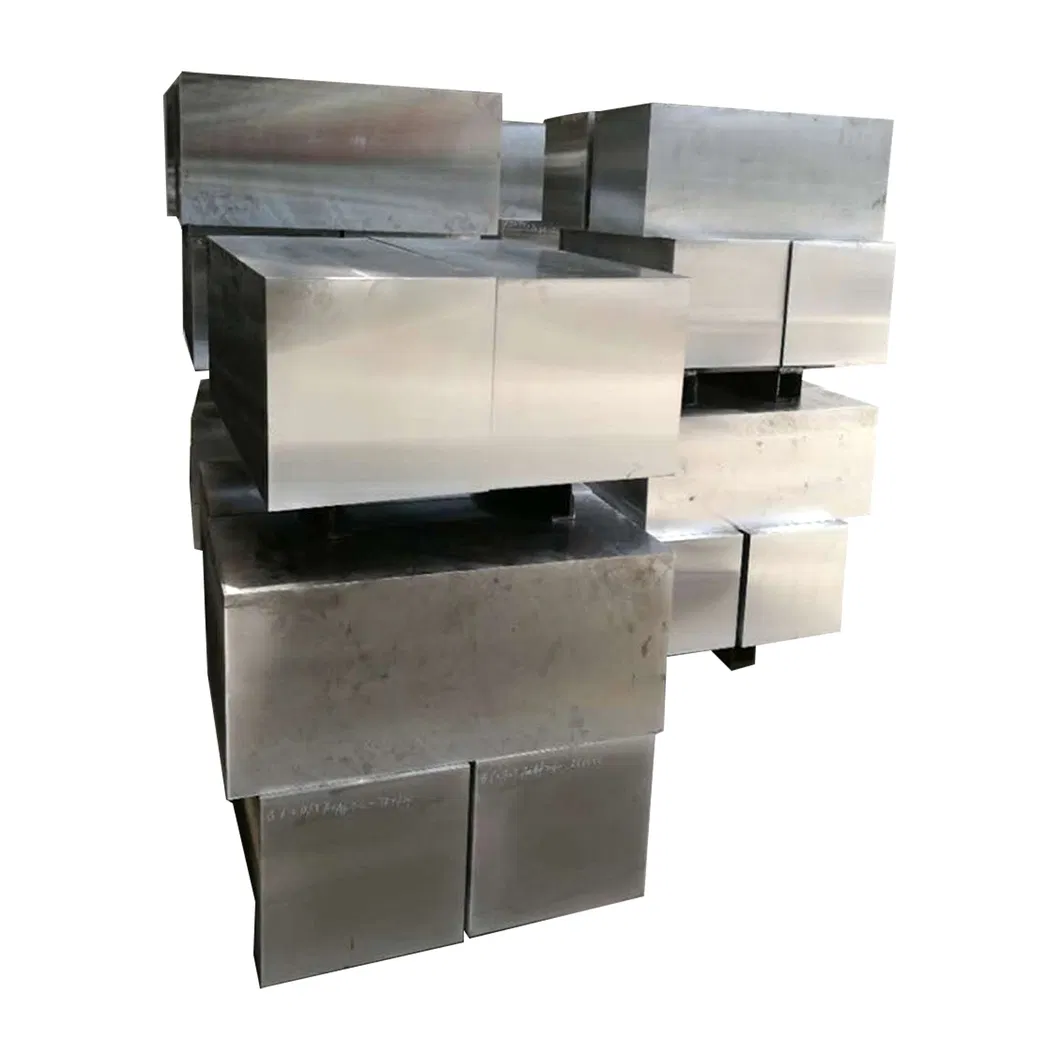
Round Bar,Square,Shaft,Ring,Cylinder
Delivery Condition
Quenching+Tempering,Normalizing,Anealing
Alloy No.
C45,42CrMo
Production Capacity
3000 Tons/Month
⚙️

Product Description

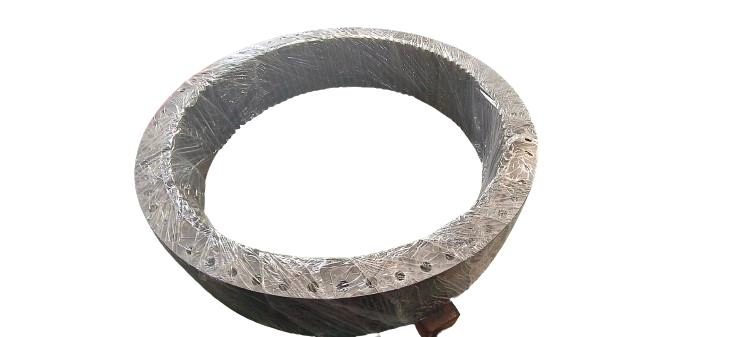
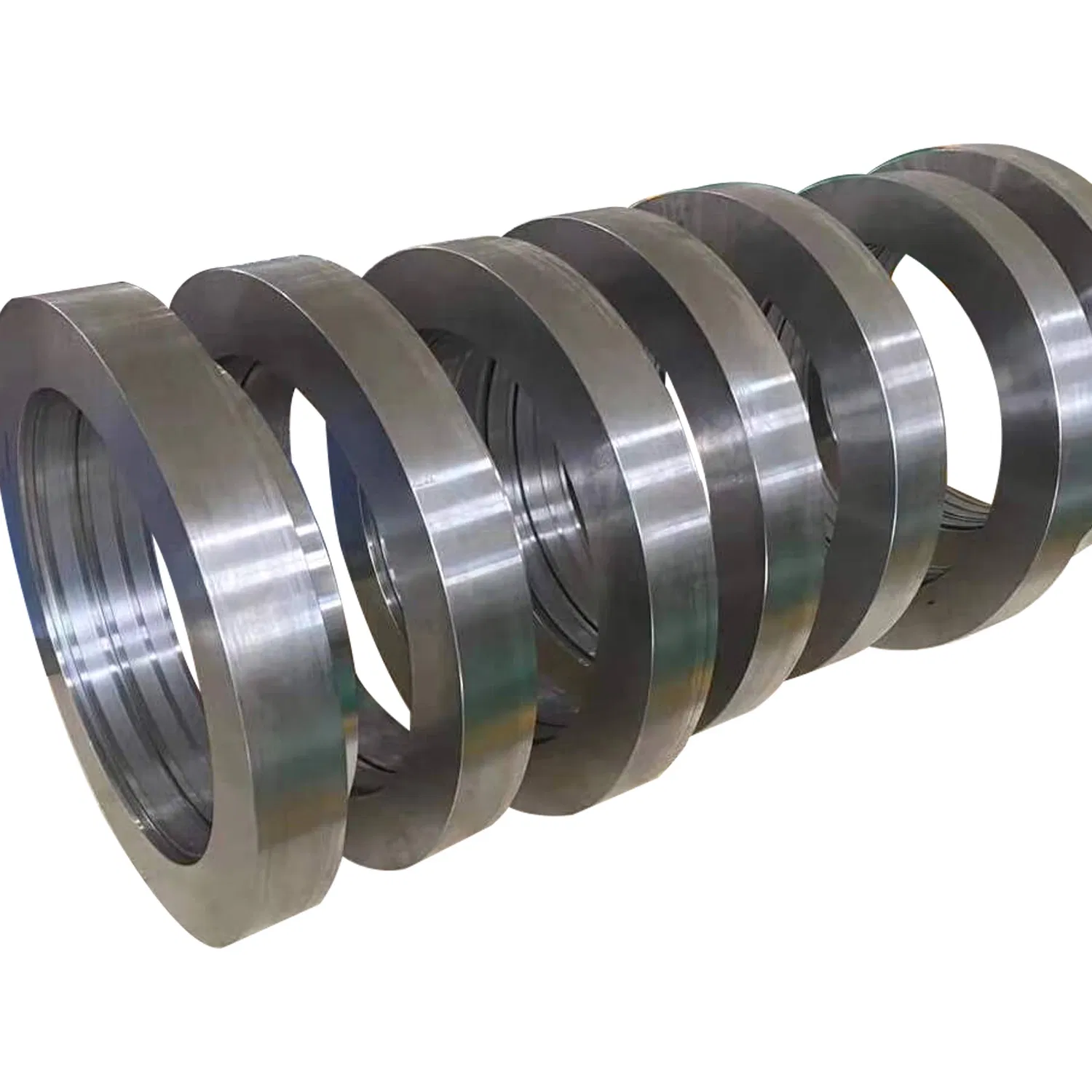
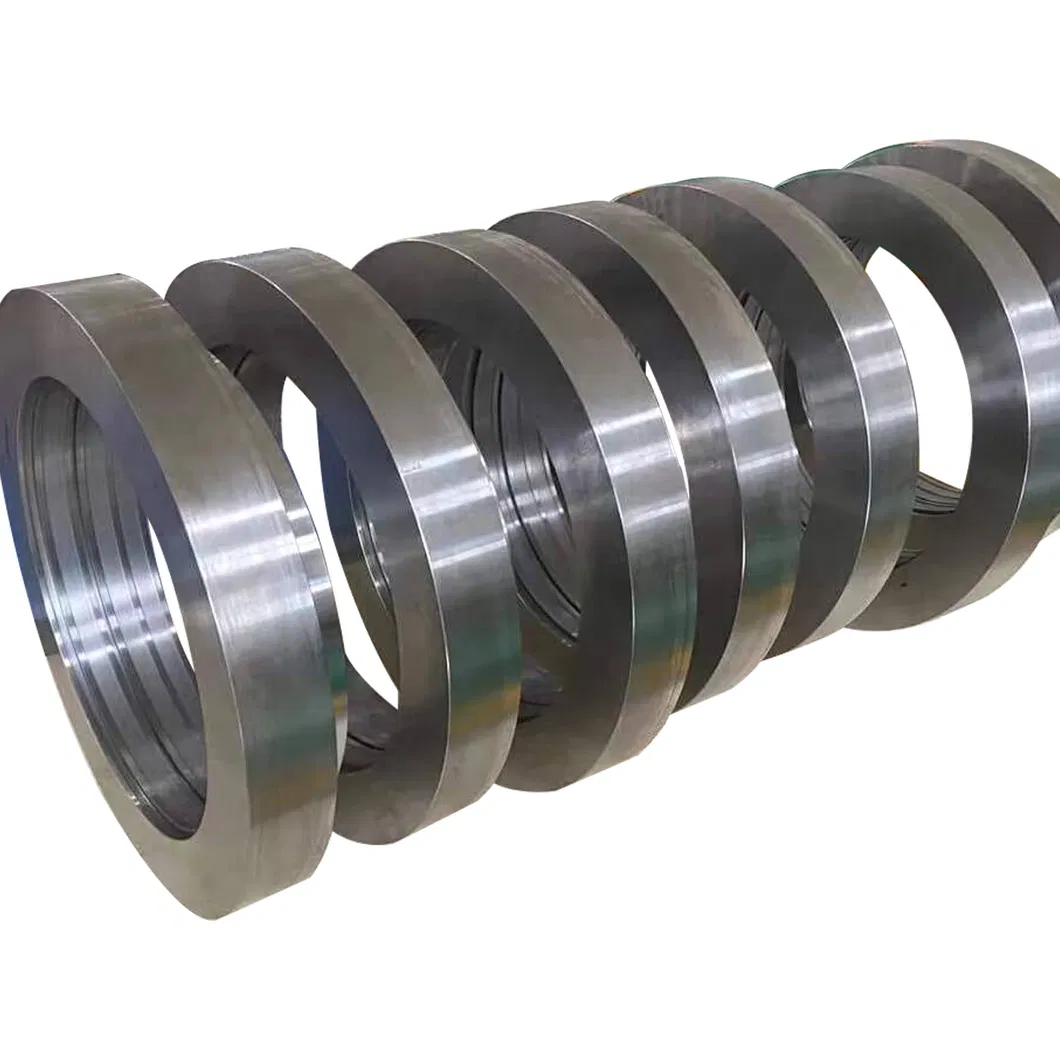
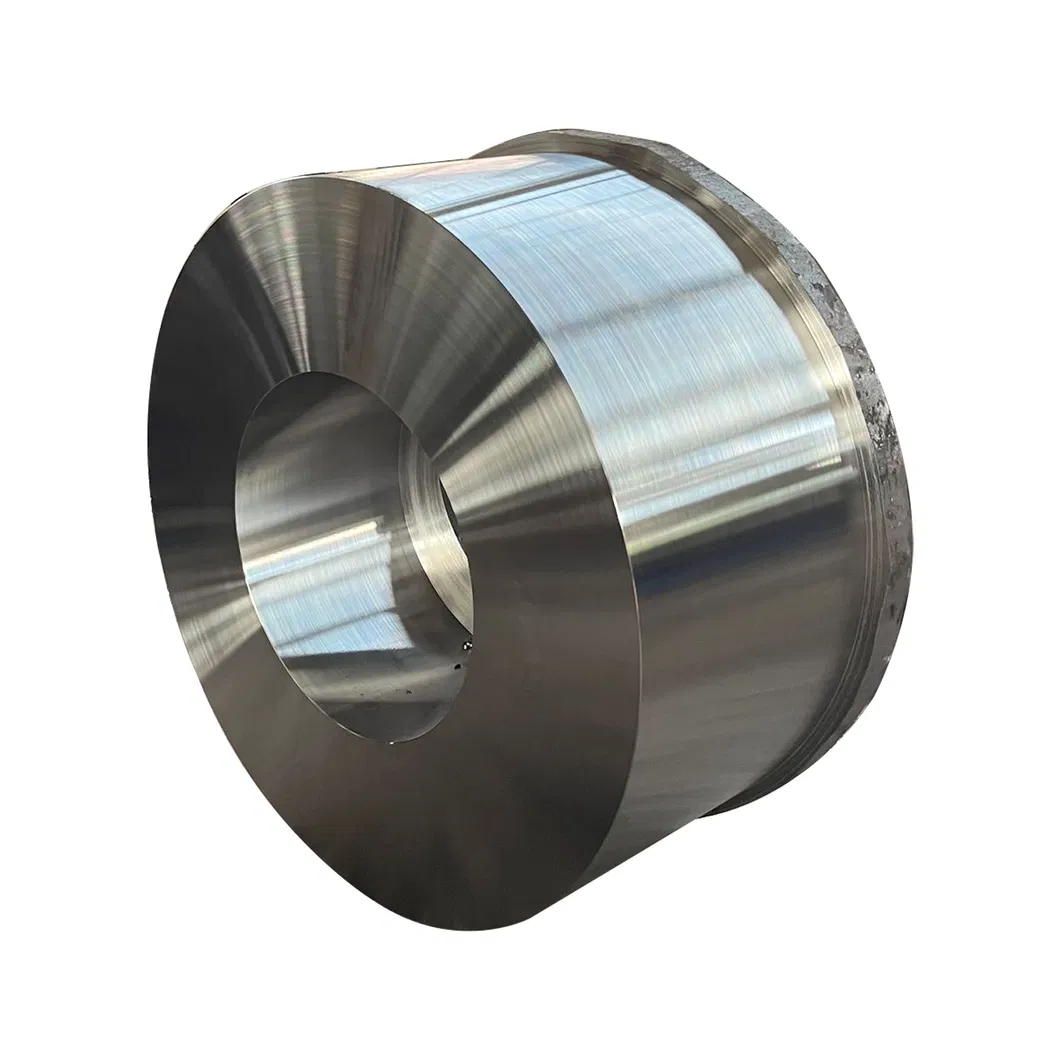
Alloy Structure Steel Ring
Forging Steel Bar
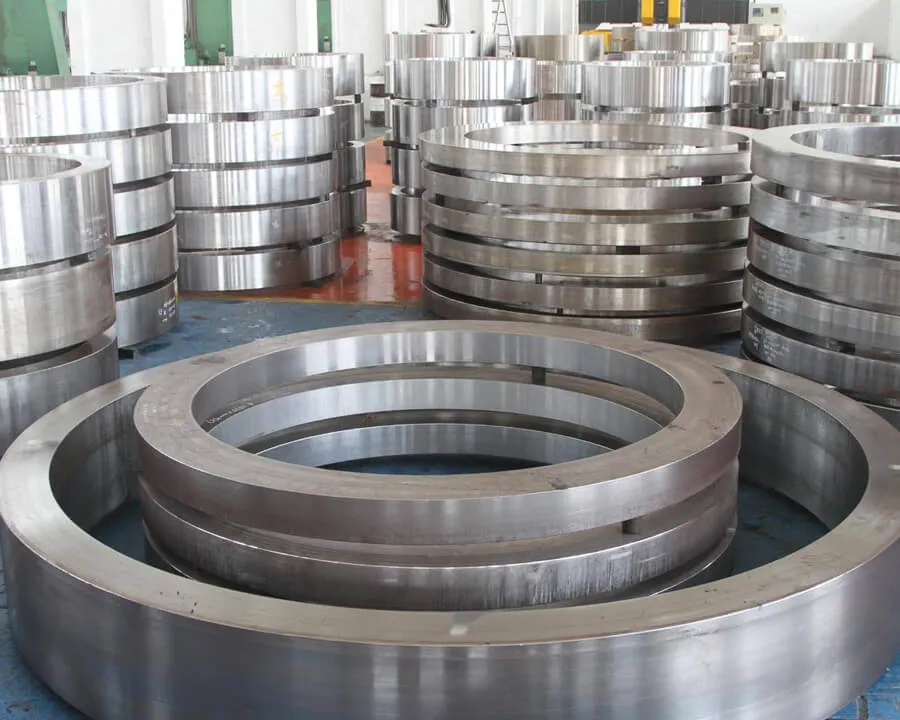
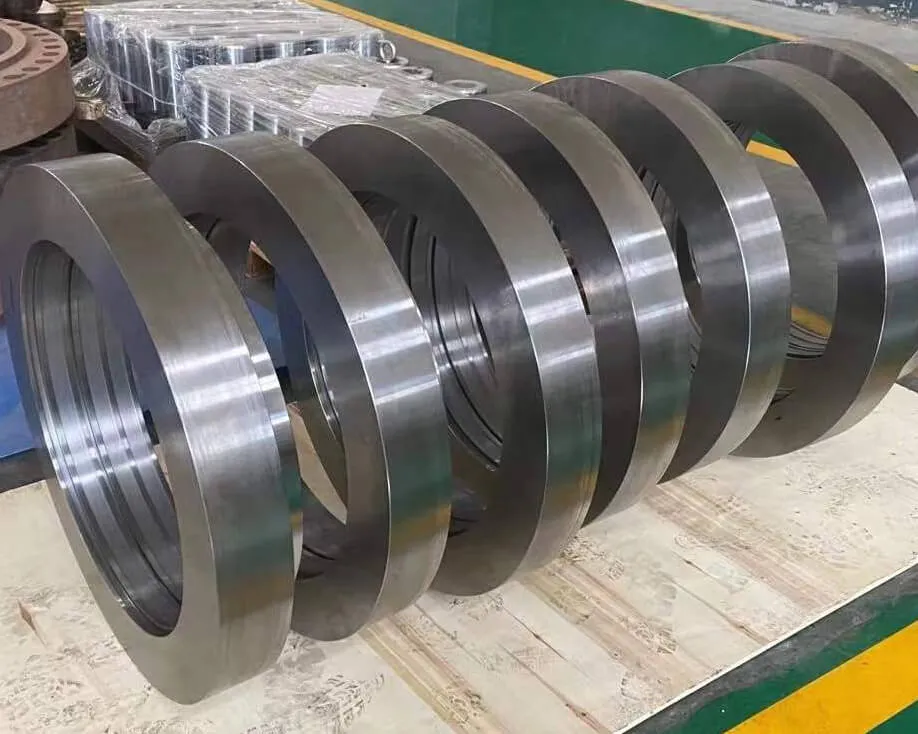
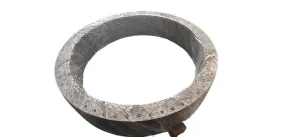
Steel Ring Forging

Structural Carbon Steel: 45#

No. 45 steel is a carbon structural steel with 0.45% carbon content. It is characterized by competitive cost, good cutting performance, high hardness after quenching, and excellent strength, toughness, and wear resistance after quenching and tempering treatment. It is widely used in manufacturing structural parts and plastic molds.

Standard No. Alloy No. Chemical compositions (%)
CCrMnNiPSSi
GB/T699-1999 45# 0.42~0.50 ≤0.25 0.50~0.80 ≤0.25 ≤0.035 ≤0.035 0.17~0.37

Recommended process specification for heat treatment: quenching temperature 820 - 860°C, water or oil-cooled. Recommended tempering temperature is 500 - 560°C, air cooling. Quenching and tempering ensure the strength, plasticity, and toughness of 45 steel reach a good balance.

Tempering Temp After Quenching 200°C 300°C 400°C 500°C 550°C 600°C
Hardness HRC 57 55 50 41 33 26 22
📦

Main Products

Stainless Steel Round Forging
Carbon Structure Steel Ring
Low Alloy Structure Steel Shaft
Carbon Structure Steel Cylinder
Low Alloy Square Forging
Stainless Iron Ring Forging
🏢

Capabilities & Equipment

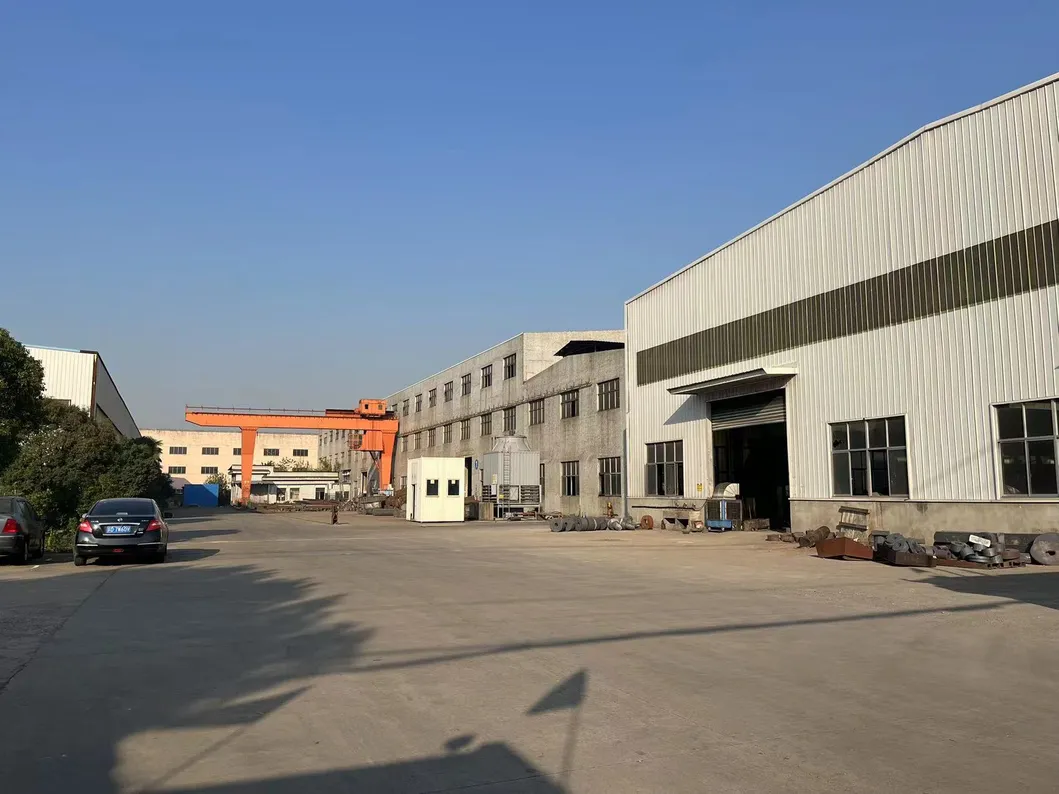
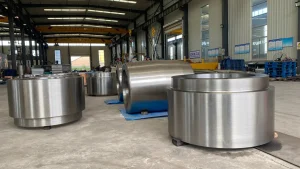
Our facility is a steel forging manufacturing enterprise specializing in the production of forged round steel, square steel, shaft forgings, ring forgings, cylinder forgings, and forging processing, heat treatment, mechanical processing, and finished parts processing. 0.75 tons to 30 tons of ingot steel can also be supplied.
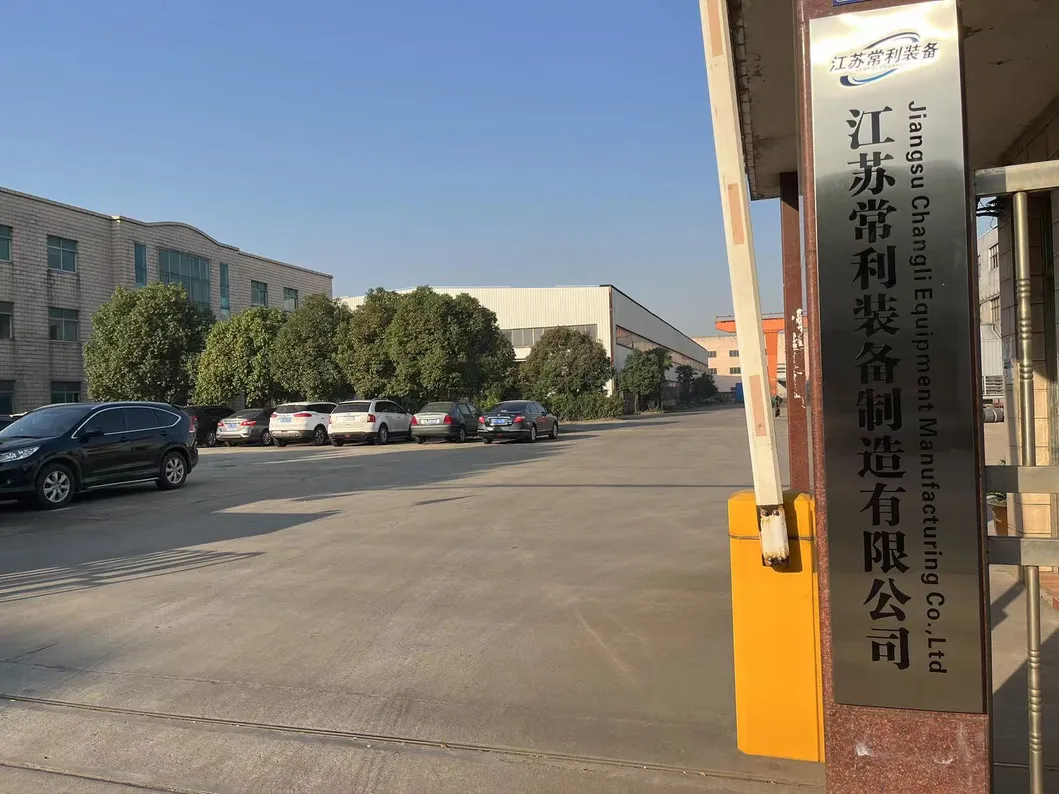
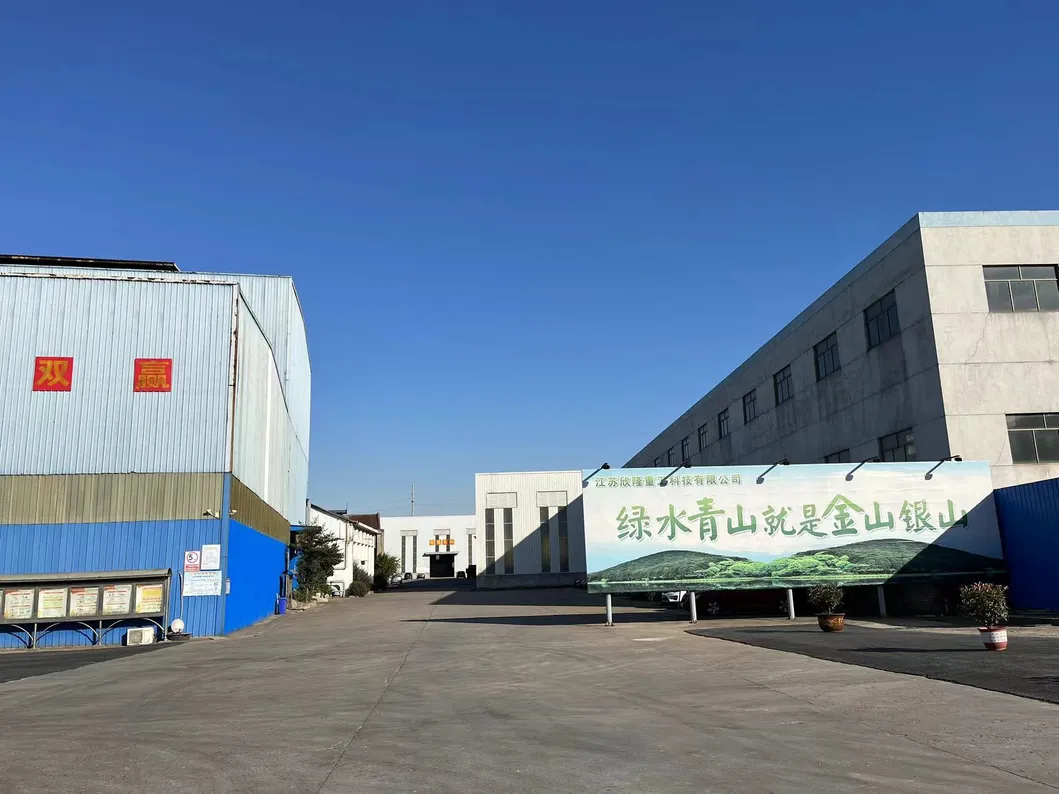
Workshop
Processing
Testing

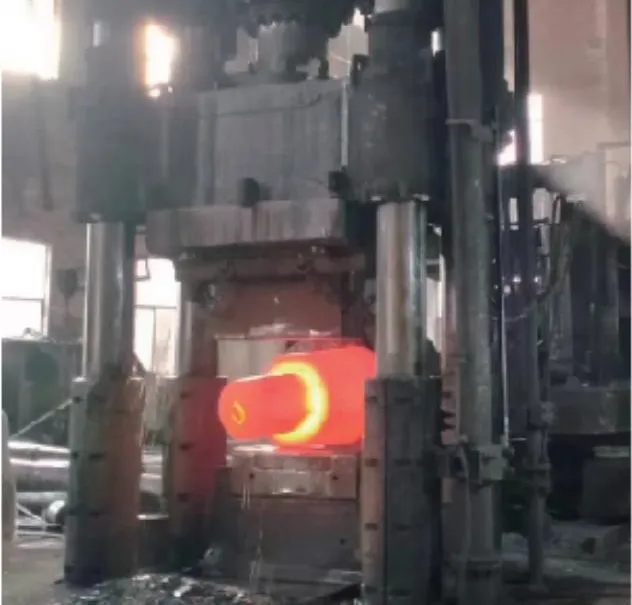
Forging Equipment: The main equipment includes 2000 tons of hydraulic press, ring rolling machine, 3 tons of forging hammer, 2 tons of forging hammer, 1 ton forging hammer, 750KG forging hammer, 30T heat treatment and tempering furnace, lathes, and sawing machines. Over 30 sets of equipment allow for the production of forgings weighing from 20Kg to 20,000Kg.
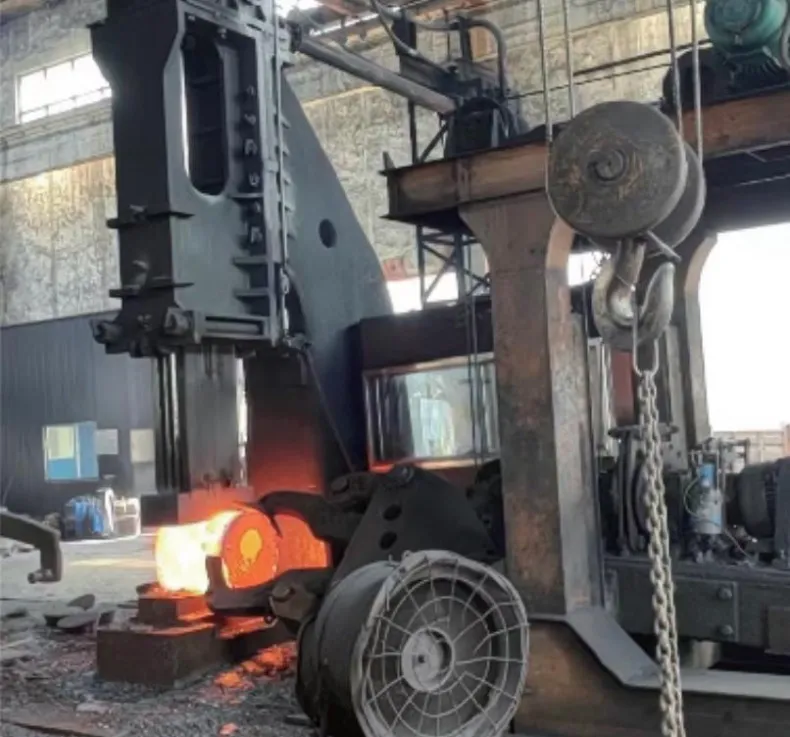
Forging Equipment
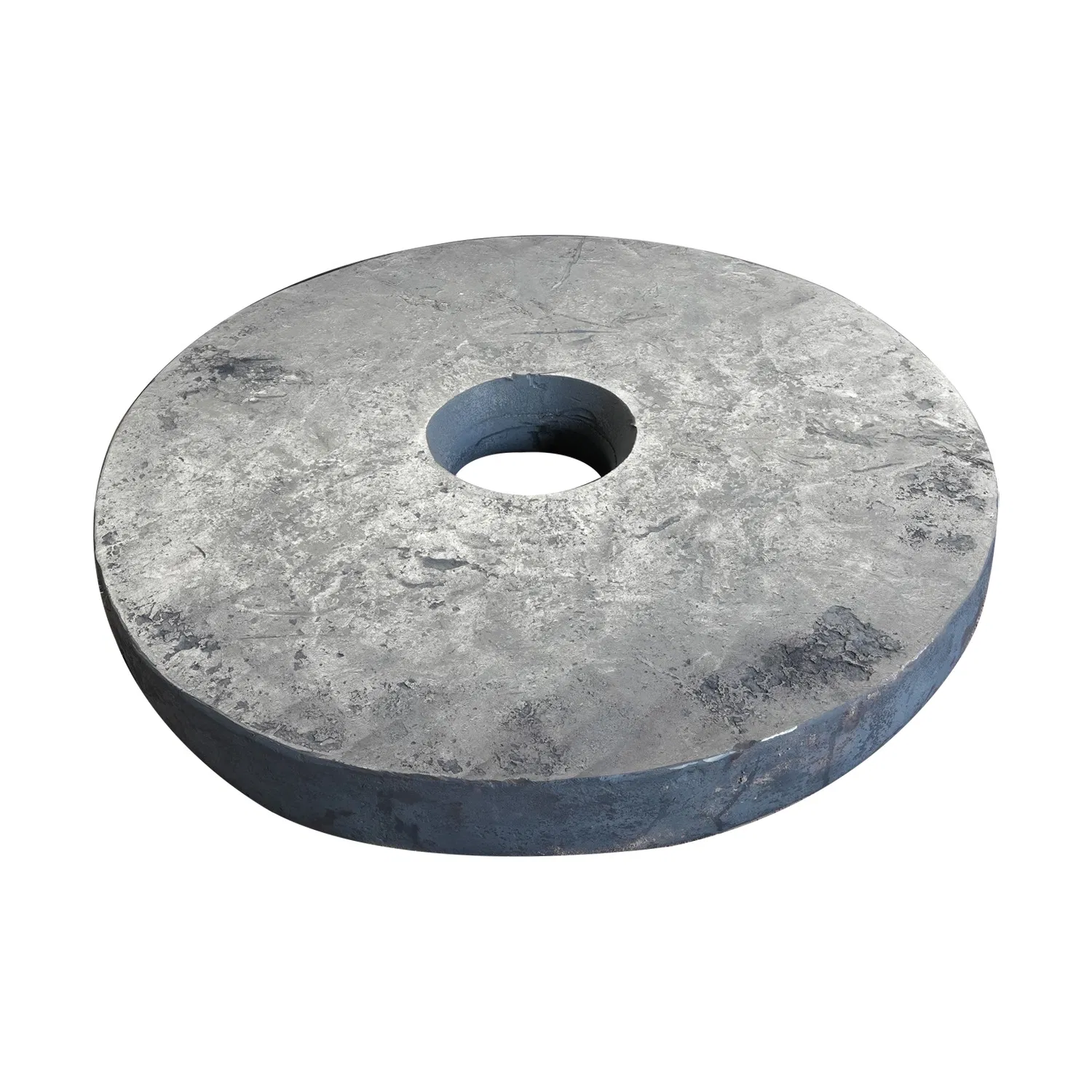
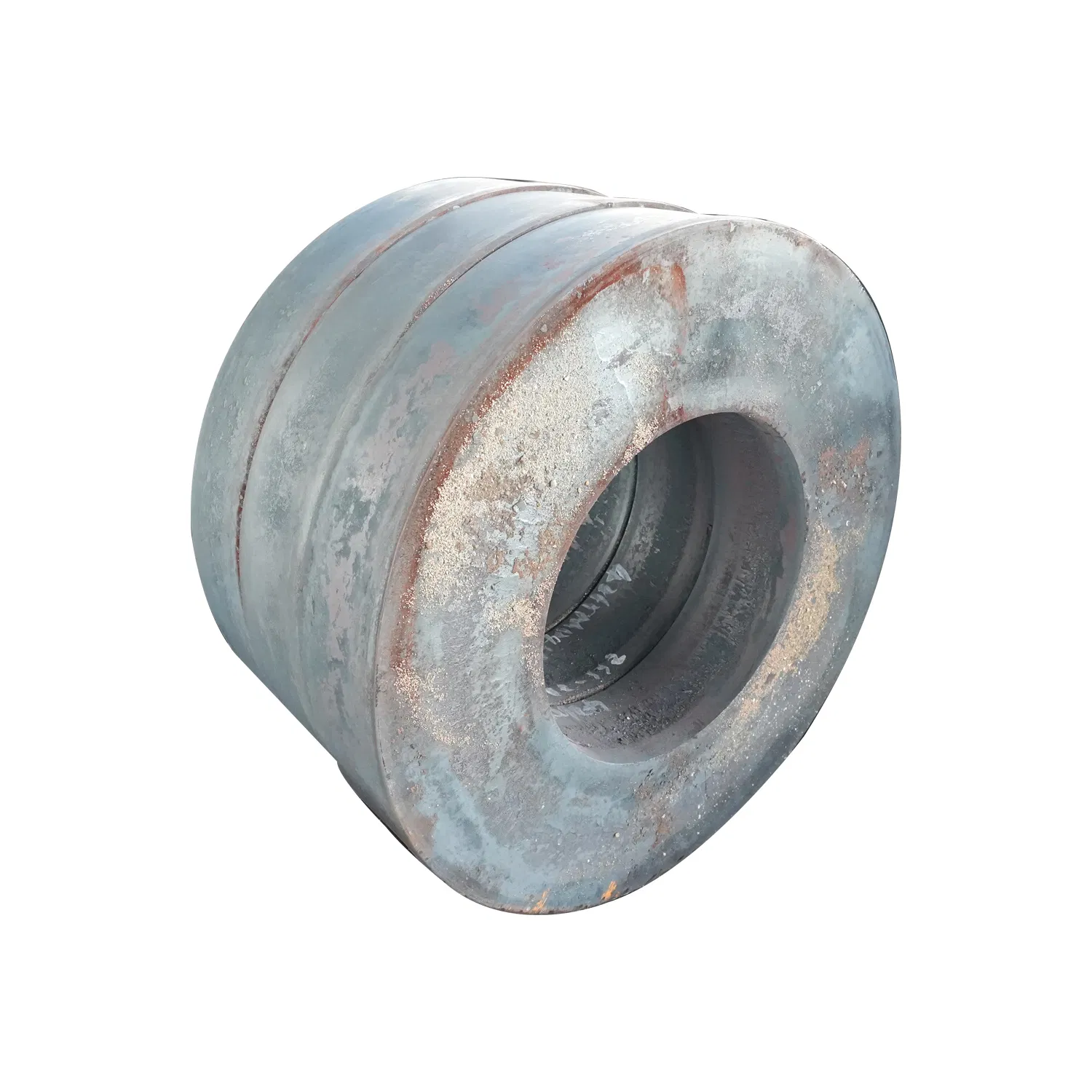
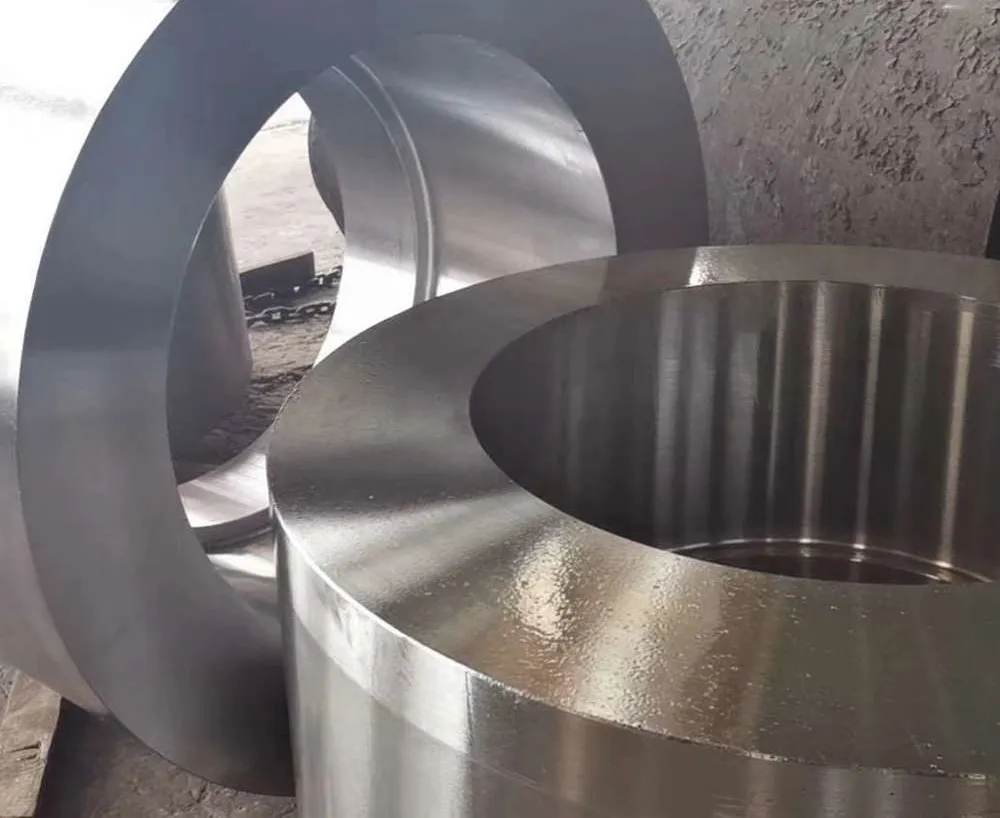
Large Forging
Ring Forging

Frequently Asked Questions

1. What is the difference between forging and casting?
Forging is the process of transforming a solid metal from one shape to another through plastic deformation in a solid state. Casting involves pouring molten liquid metal into a mold to solidify. Forging typically results in better structural integrity and strength for heavy-duty applications.
2. How to choose high-quality forgings?
Quality is checked through external observation (shape, dimensions, surface defects like cracks or wrinkles) and internal inspection (chemical composition, mechanical properties, and flaw detection for internal shrinkage or white spots).
3. What are the characteristics of the forging process for blanks?
The process typically consists of pier roughening, elongation, punching, and expanding. For ring forgings, free forging uses a horse screw to expand holes, while ring rolling uses a rolling process.
4. Why is 45# steel popular for structural parts?
It offers a balanced combination of low cost, good cutting performance, and high strength/toughness after heat treatment, making it ideal for machinery parts and molds.
5. What weight range of forgings can be produced?
Our equipment can produce a wide range of forged products, weighing from 20Kg up to 20,000Kg per piece.
6. What standards do your forging products follow?
Our products meet international standards including ASTM, AISI, DIN, JIS, and BS, ensuring compatibility with global engineering requirements.

Related Products