Structural Carbon Steel: 45# Details
| Standard No. |
Alloy No. |
Chemical Compositions (%) |
| C | Cr | Mn | Ni | P | S | Si |
| GB/T699-1999 |
45# |
0.42~0.50 |
≤0.25 |
0.50~0.80 |
≤0.25 |
≤0.035 |
≤0.035 |
0.17~0.37 |
No. 45 steel is a carbon structural steel with 0.45% carbon content. It is characterized by competitive price, good cutting performance, high hardness after quenching, and excellent strength, toughness, and wear resistance after quenching and tempering treatment. It is widely used in manufacturing structural parts and plastic molds.
Mechanical Properties
| Tensile Strength (Mpa) |
Yield Strength (Mpa) |
Elongation (%) |
Contraction of Area (%) |
| ≥600 |
≥355 |
≥16 |
≥40 |
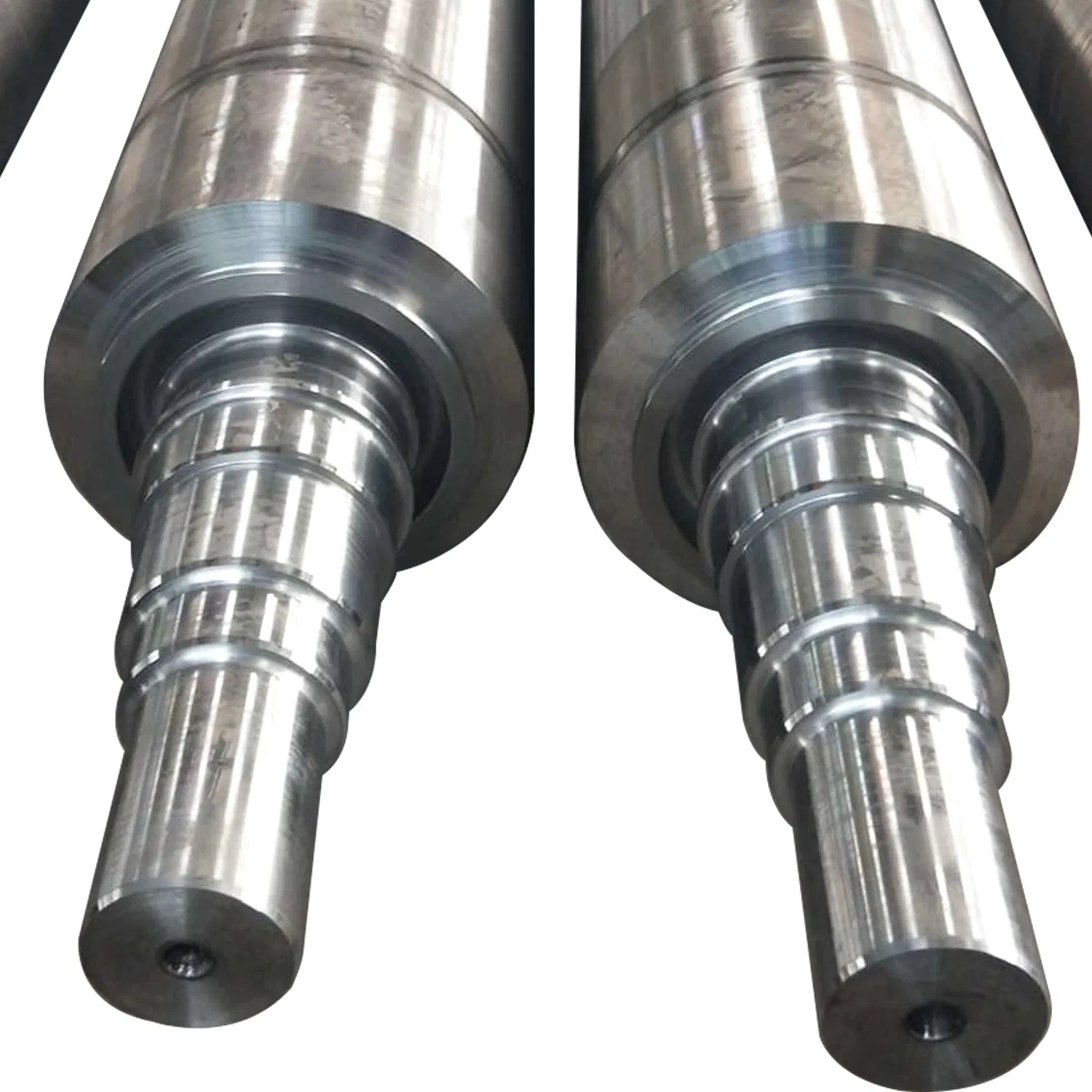
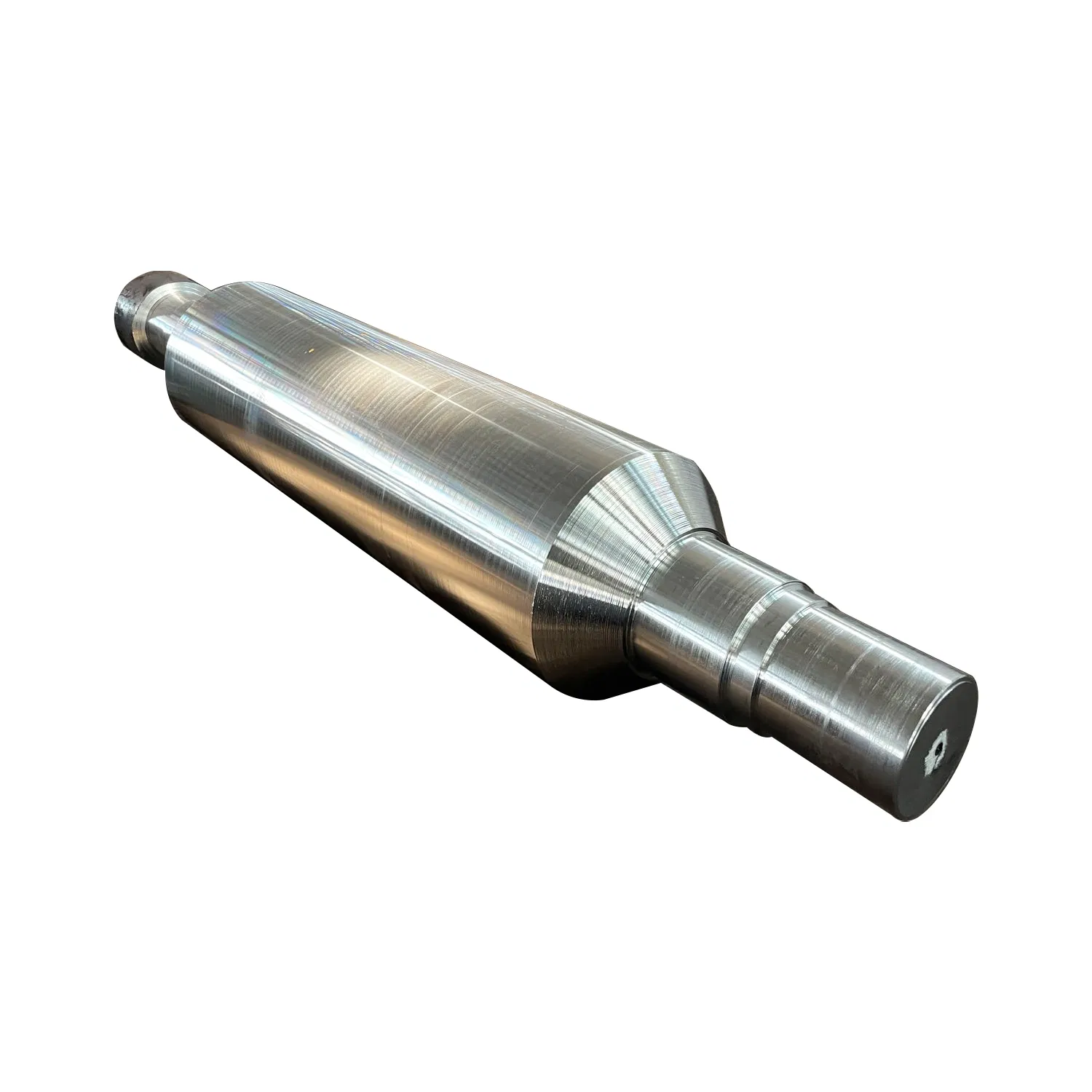
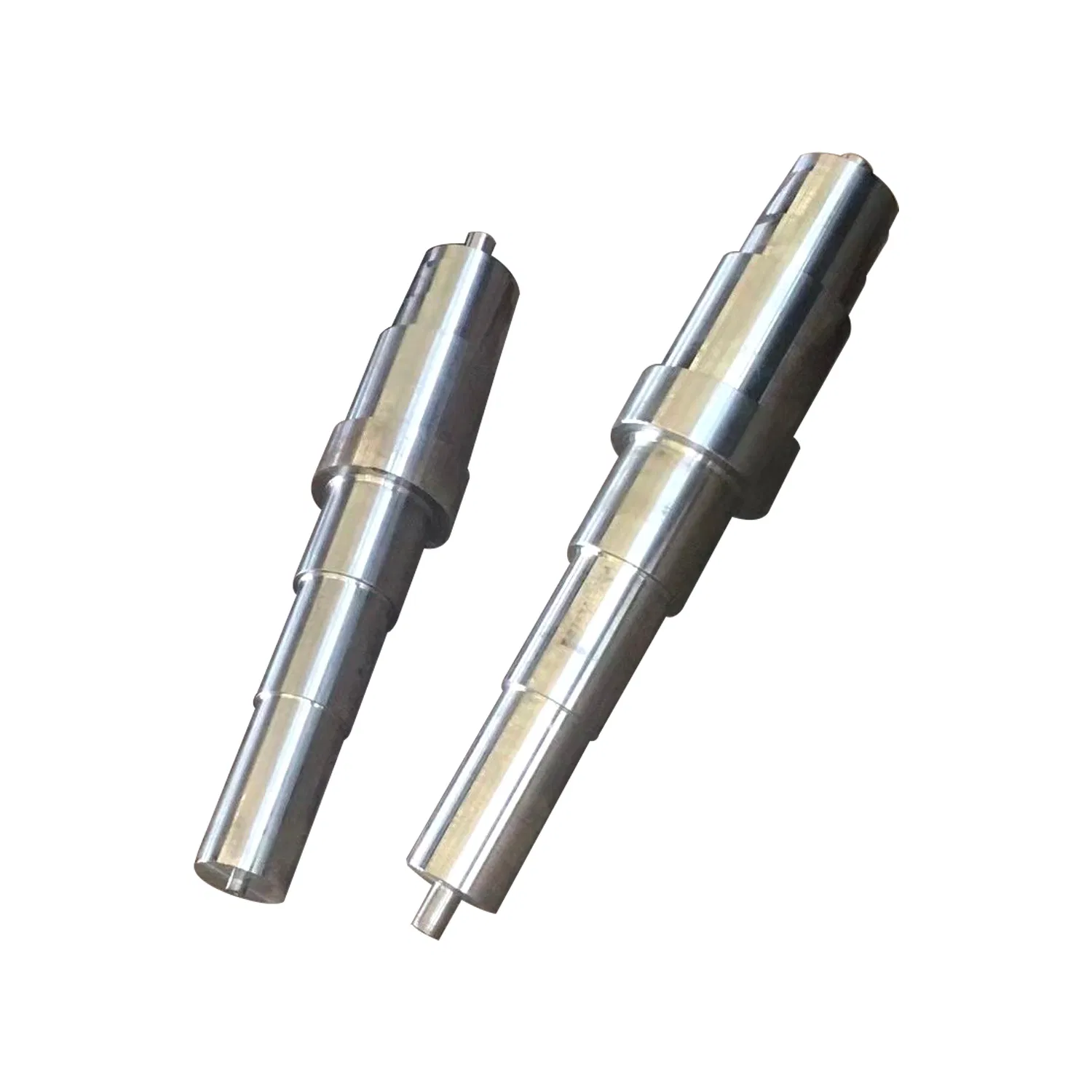
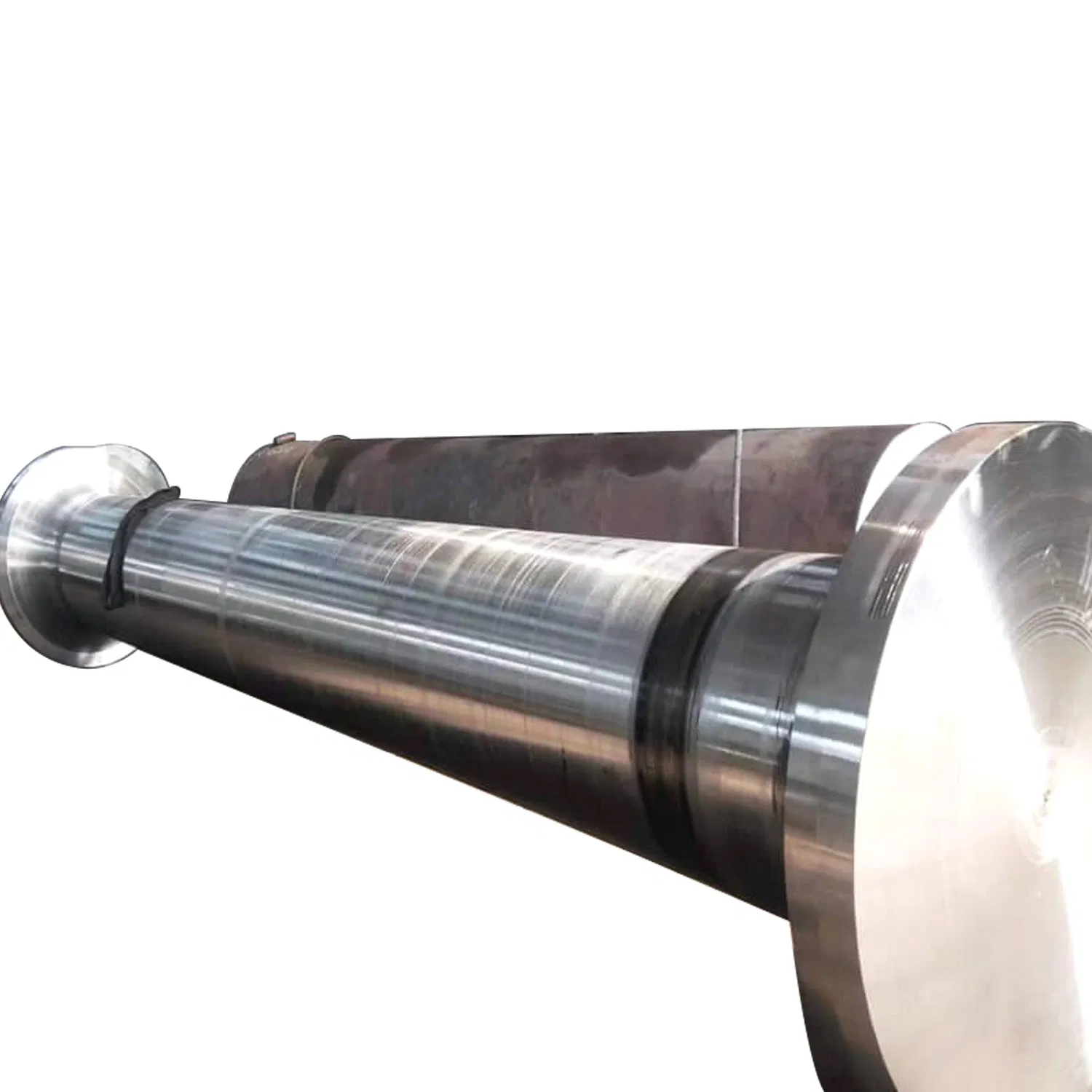
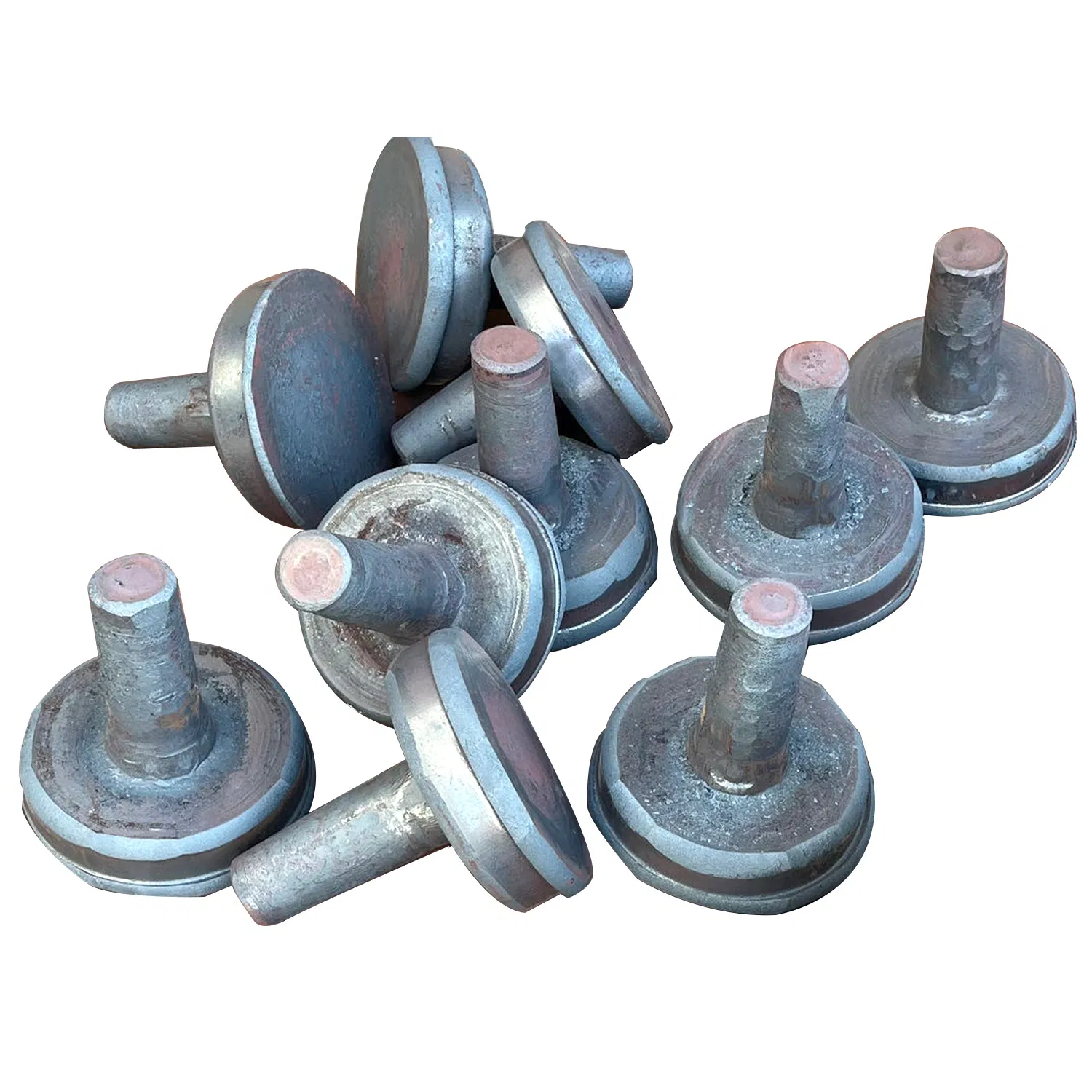
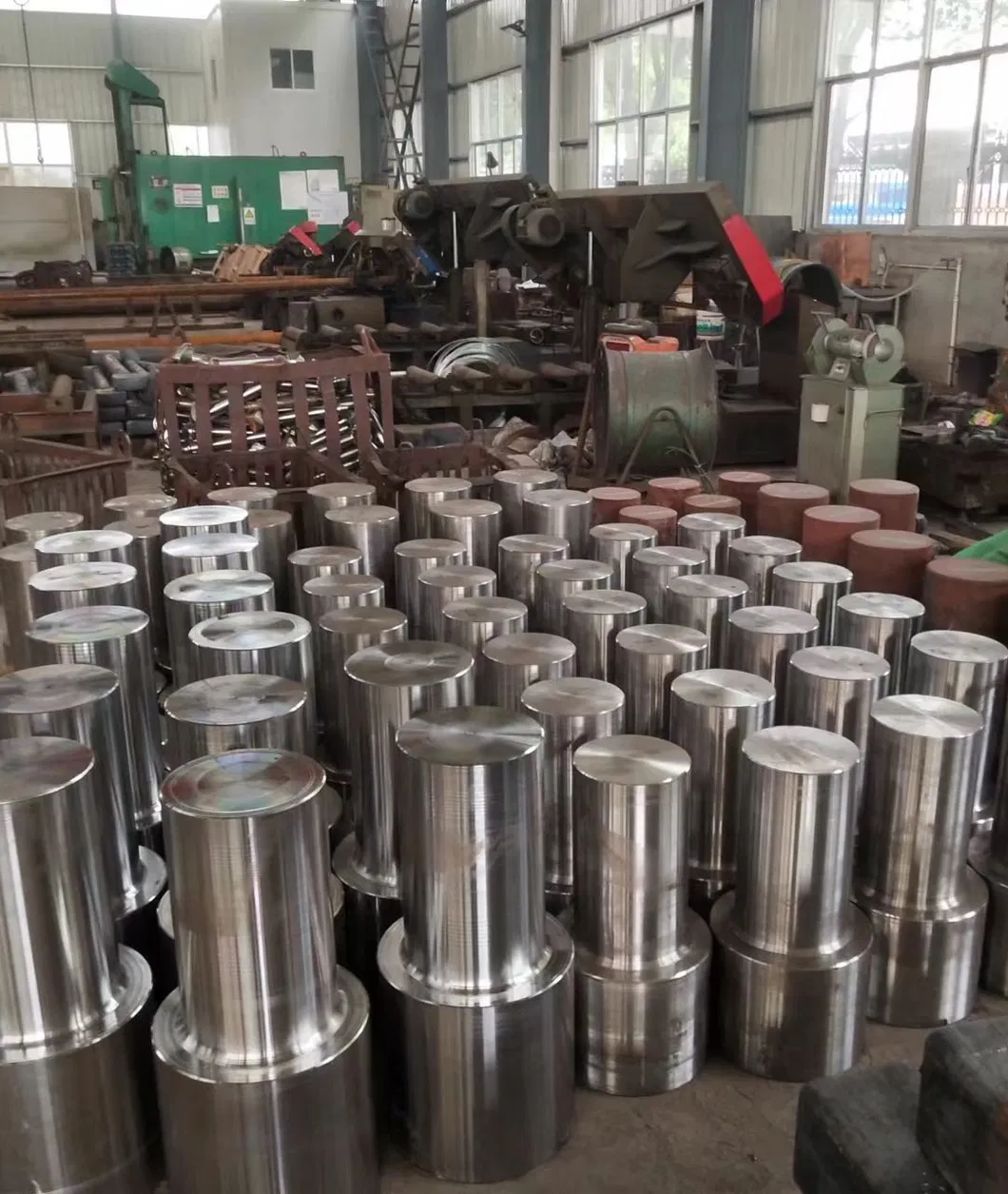
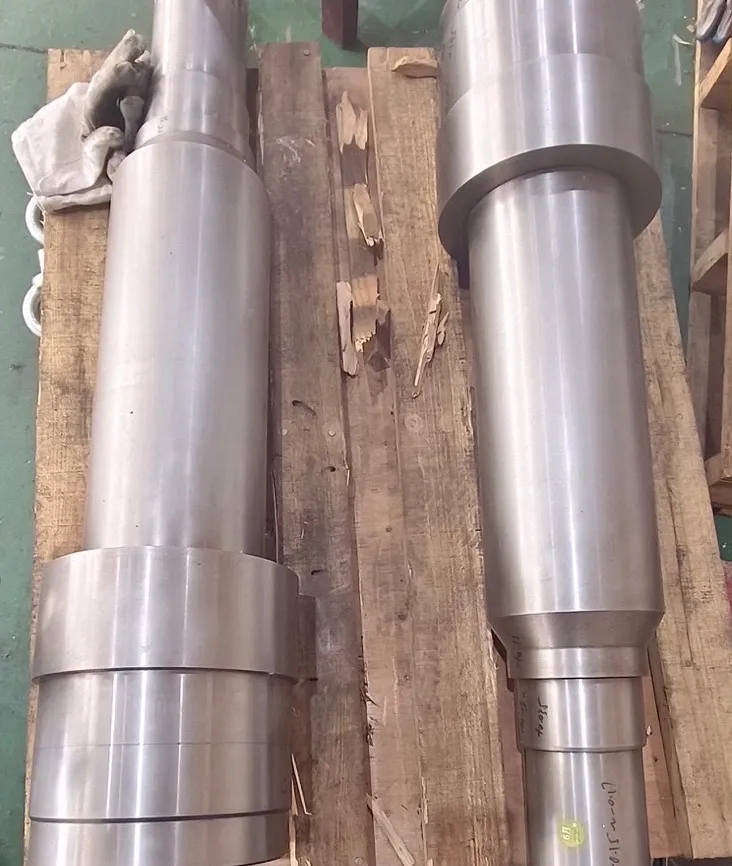
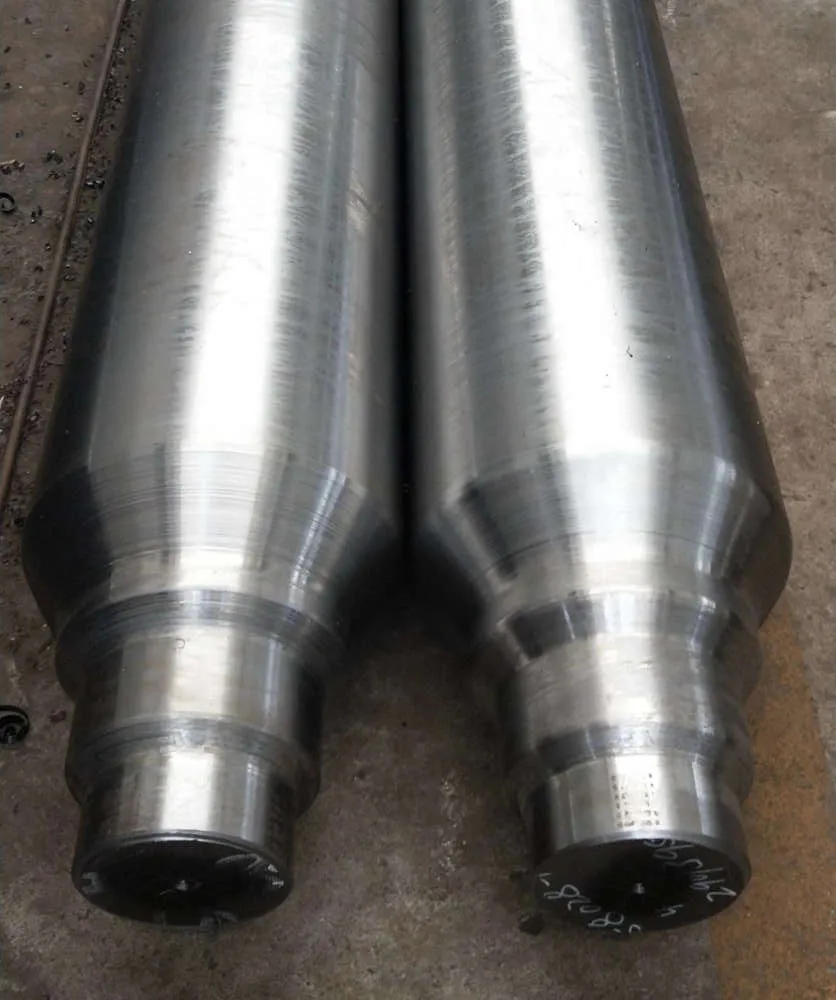
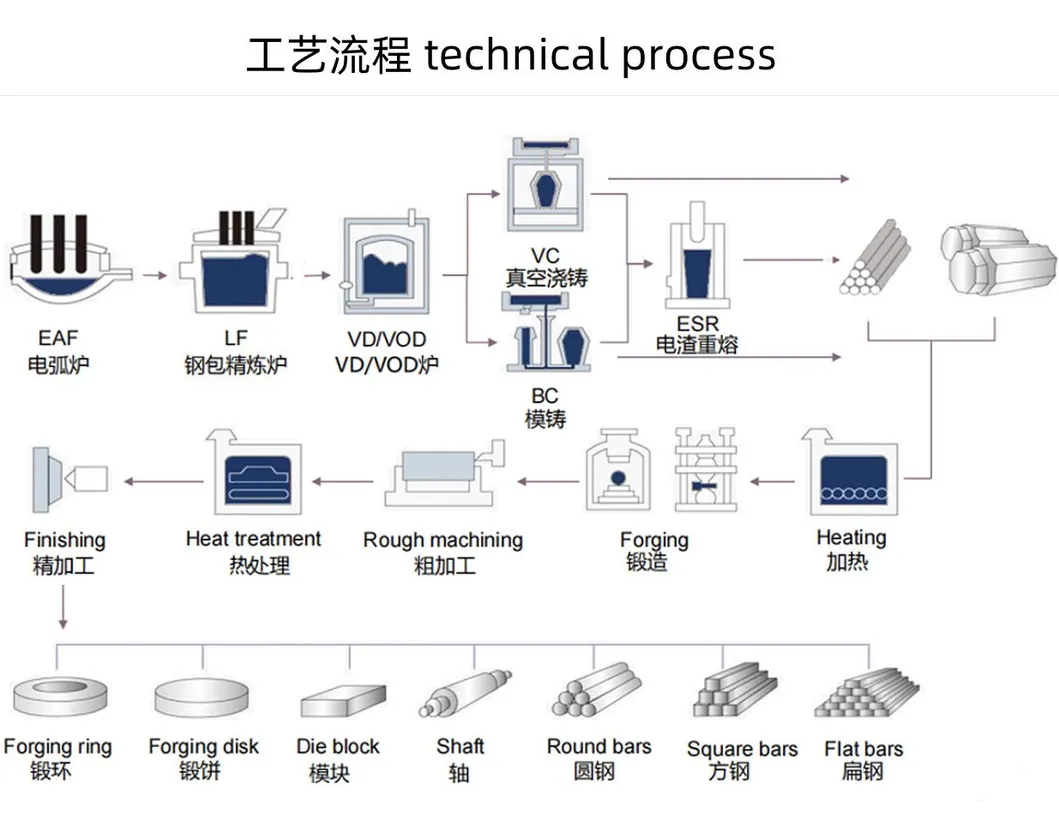
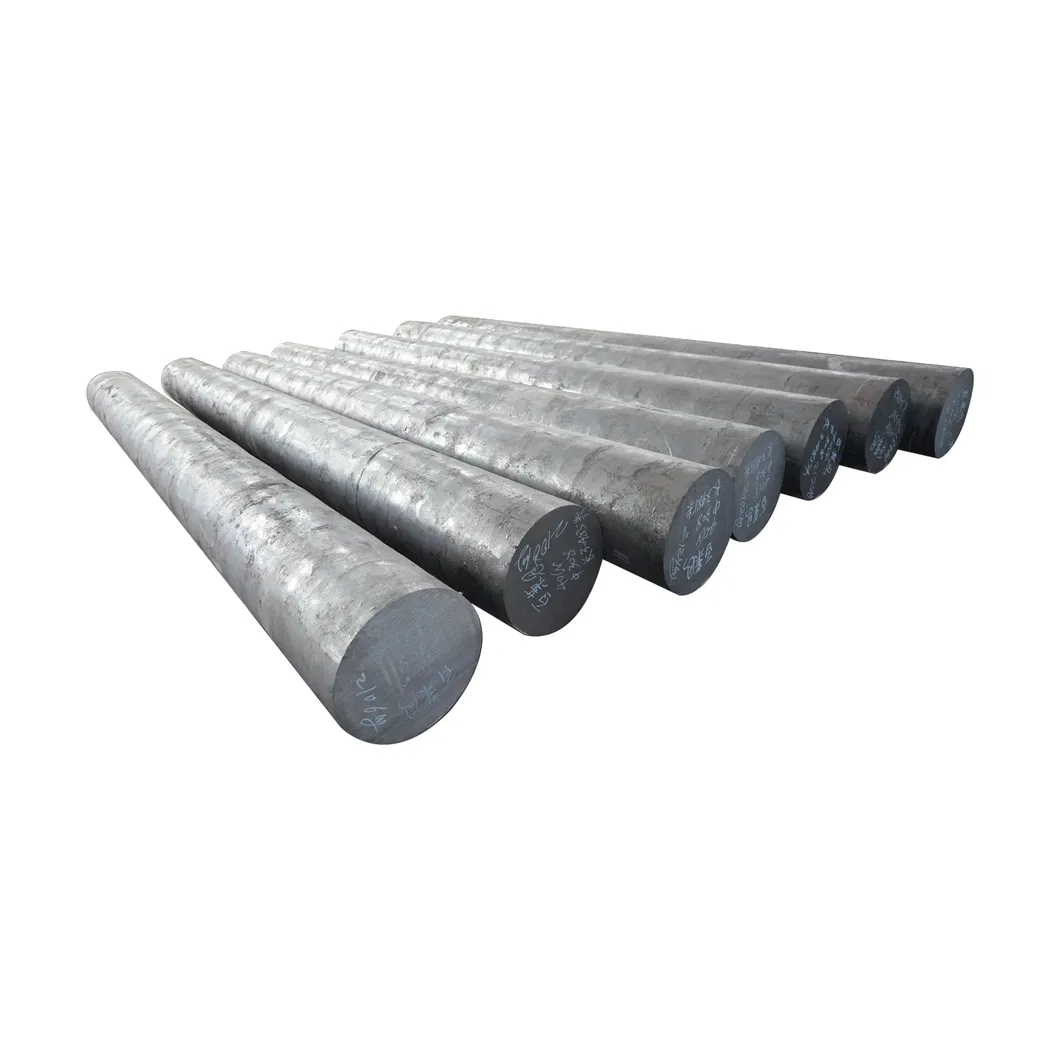
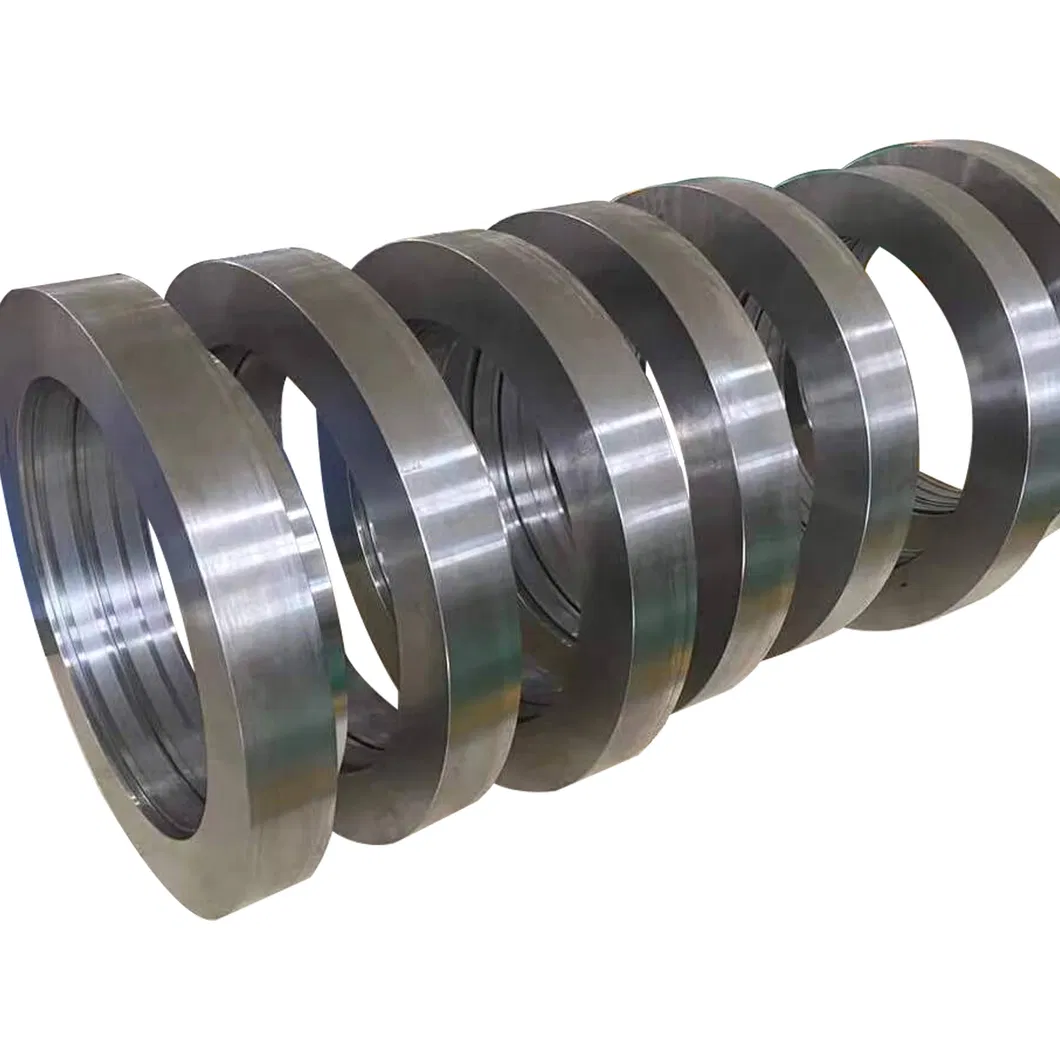
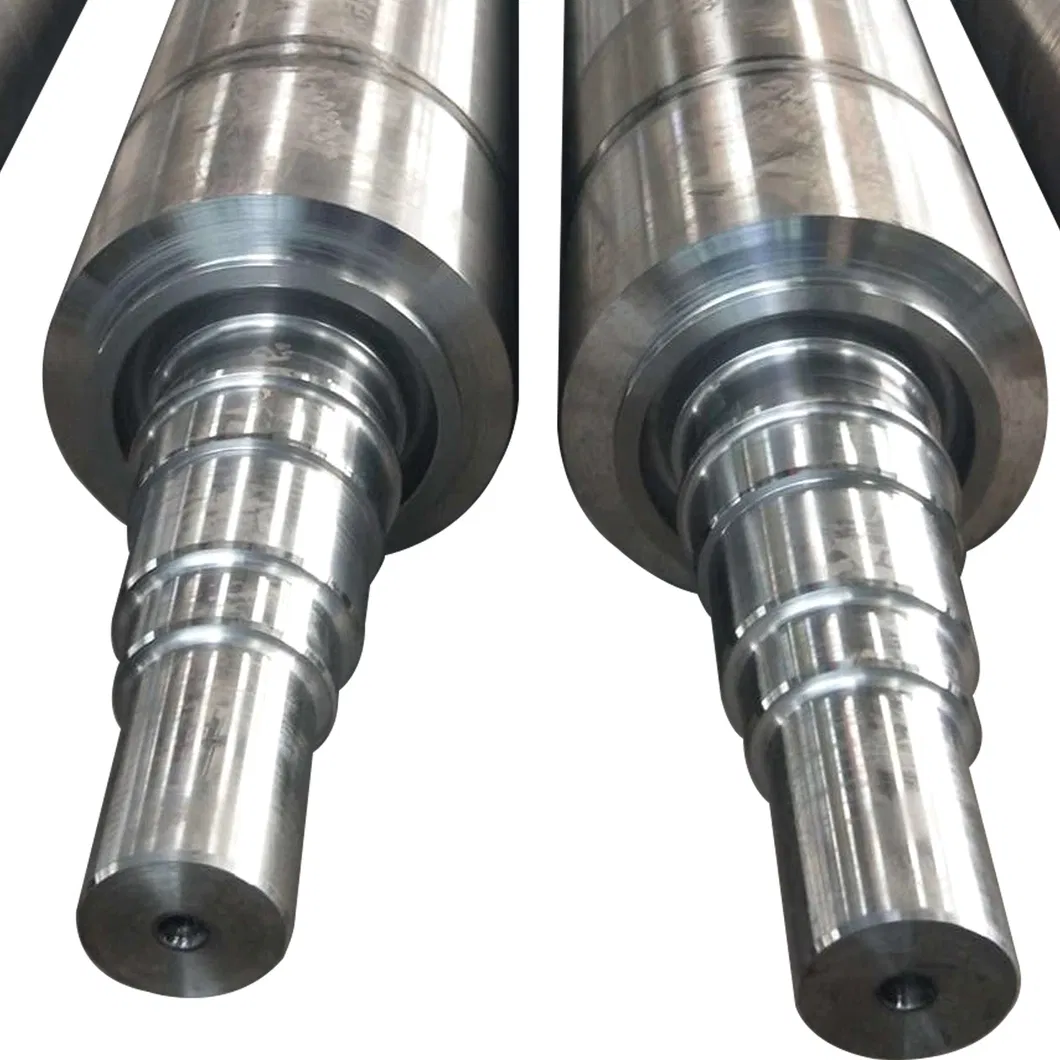
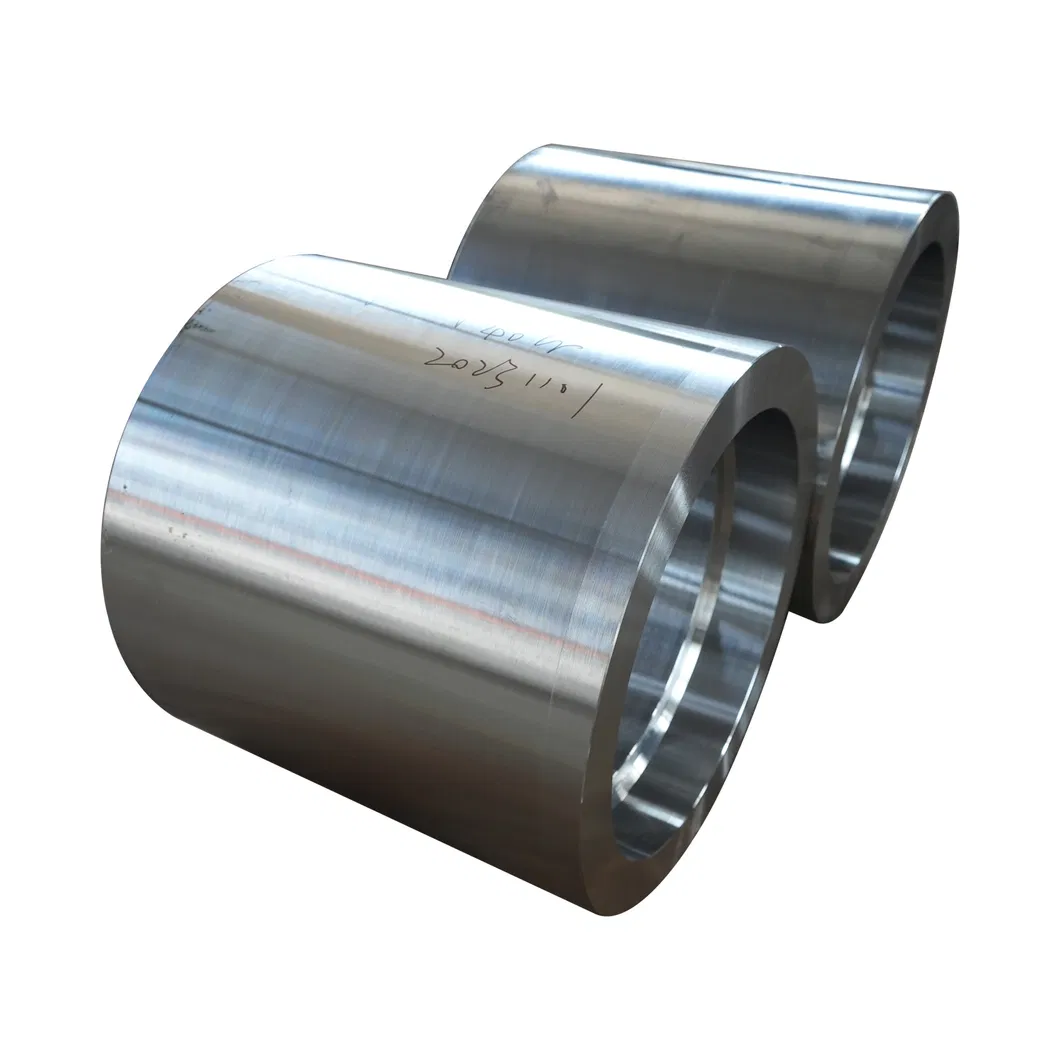
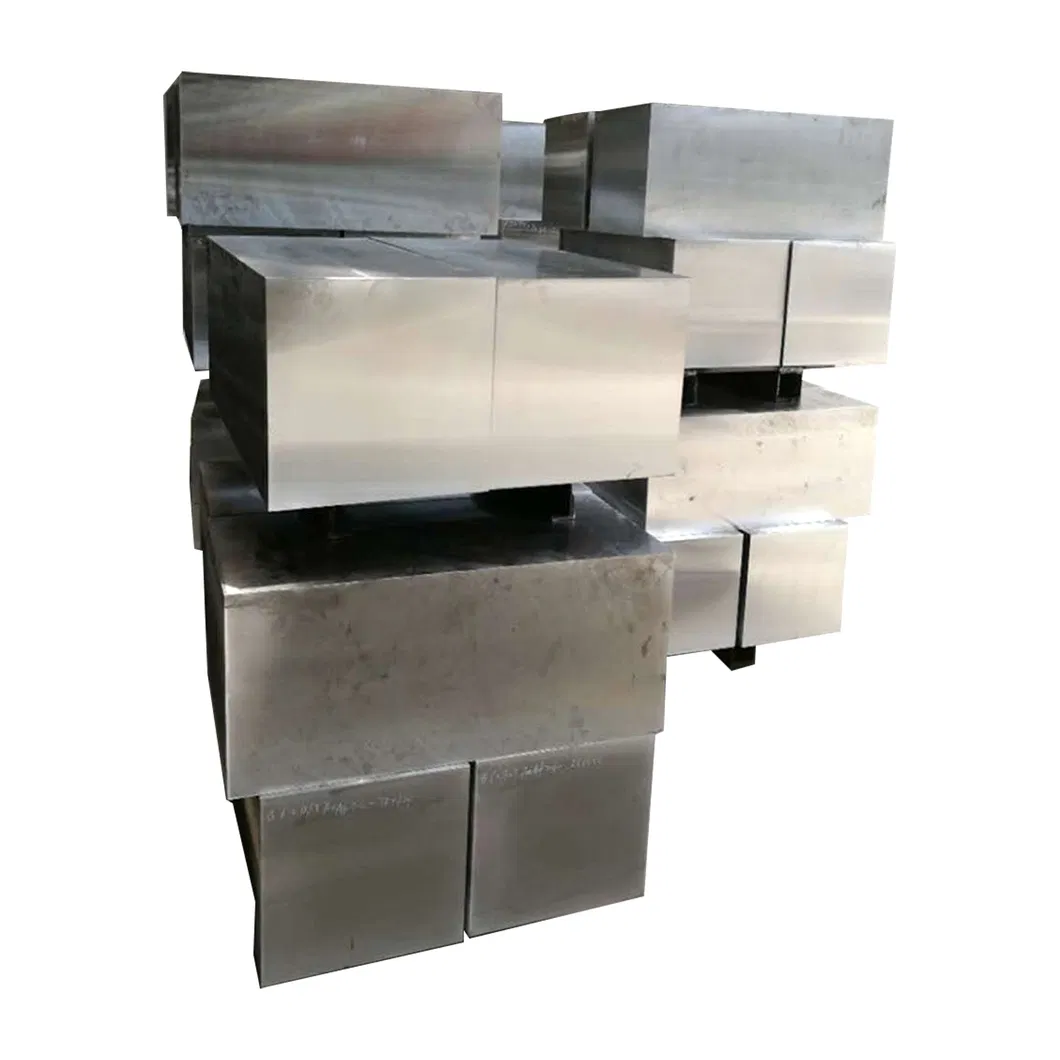
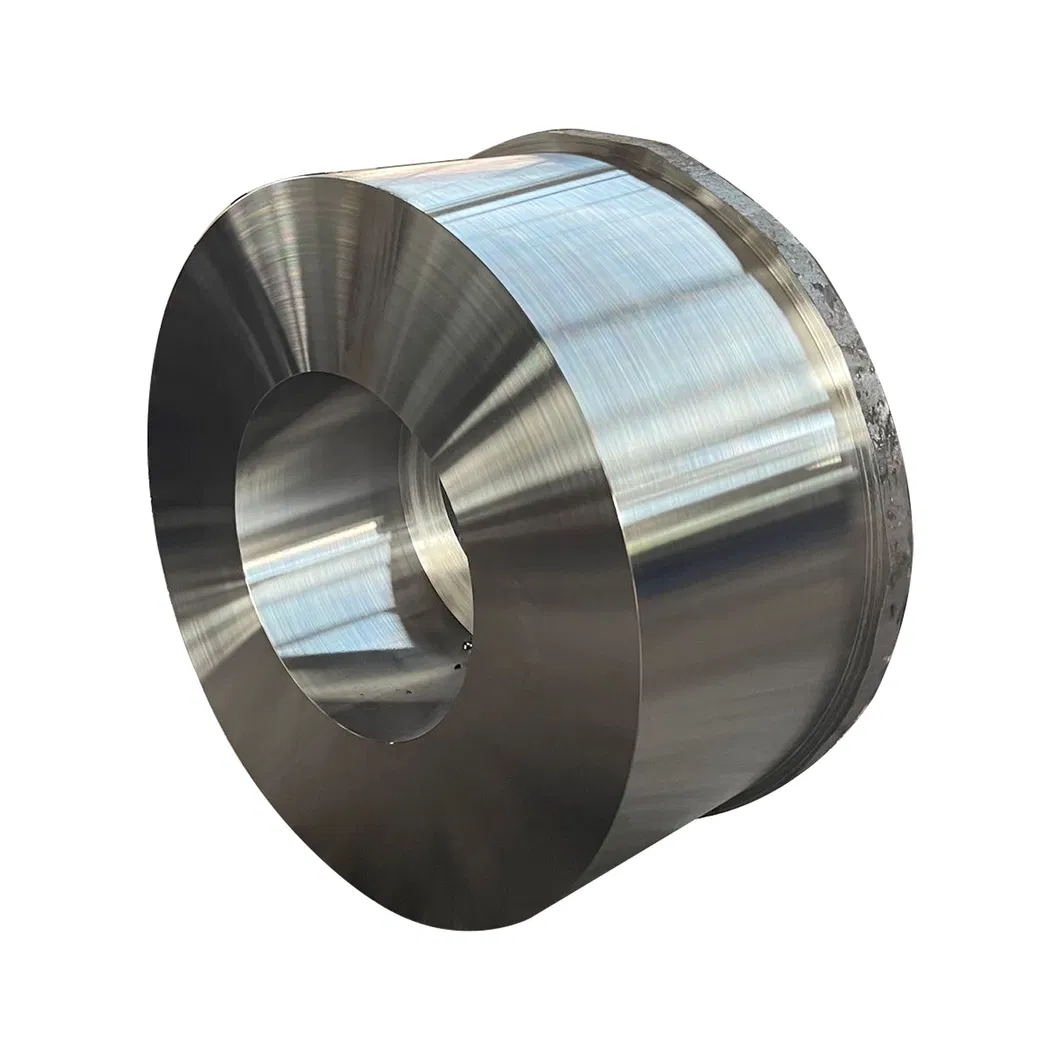
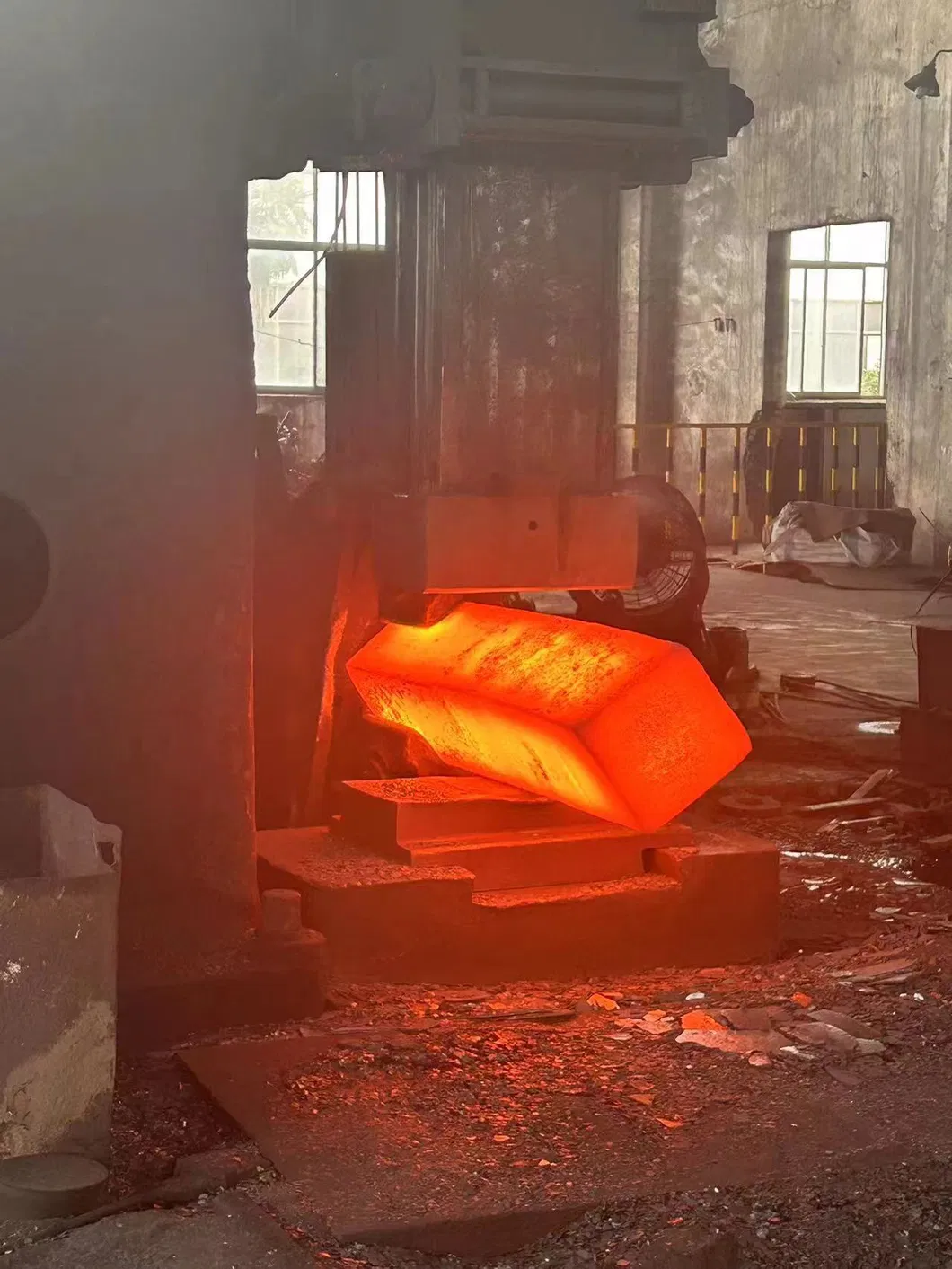
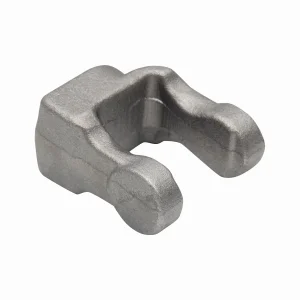
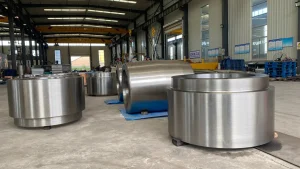
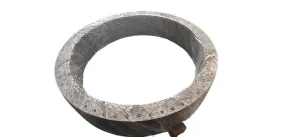
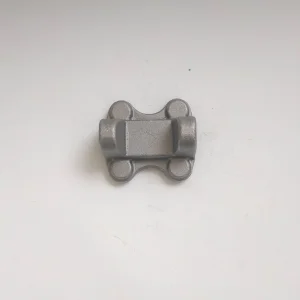
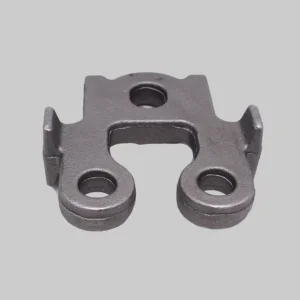
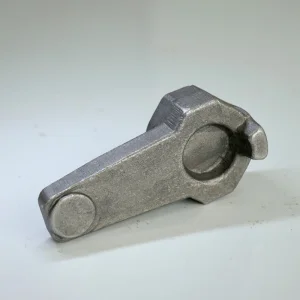
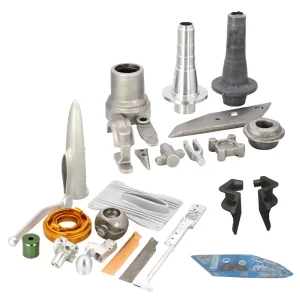
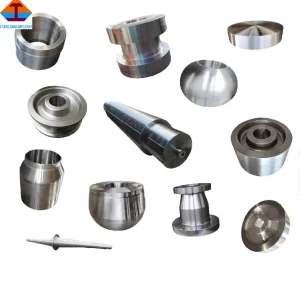
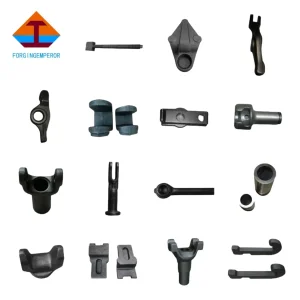
Specializing in the production of forged round steel, square steel, shaft forgings, ring forgings, and cylinder forgings. Capabilities include heat treatment, mechanical processing, and finished parts processing. Supply options range from 0.75 tons to 30 tons of ingot steel. Products cover chromium-nickel-molybdenum steel, carbon steel, stainless steel, and more, ensuring flaw detection at all levels.
Advanced Equipment
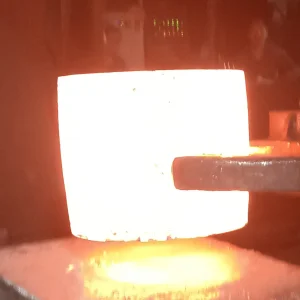
Main equipment includes 2000 tons of hydraulic press, ring rolling machine, various forging hammers (3 tons to 750KG), 30T heat treatment furnaces, lathes, and sawing machines. We can produce forgings weighing from 20Kg up to 20,000Kg using advanced EF+LF+VD refining and vacuum degassing technology.
?
Frequently Asked Questions
What is the difference between forging and casting?
Forging is the process of transforming a solid from one shape to another in a solid state (plastic forming), whereas casting involves pouring molten liquid metal into a mold to solidify. Forging typically results in better mechanical properties and structural integrity.
How to choose high-quality forgings?
Quality is verified through external observation (dimensions, surface cracks, impurities) and internal testing (chemical analysis, microscopic structure, mechanical properties like tensile strength and hardness). Specialized instruments are used for flaw detection.
What are the characteristics of the forging process for blanks?
The process mainly consists of pier roughening, elongation, punching, and expanding. For circular forgings, the difference between free forging and ring rolling lies primarily in how the hole is expanded.
What materials can be forged?
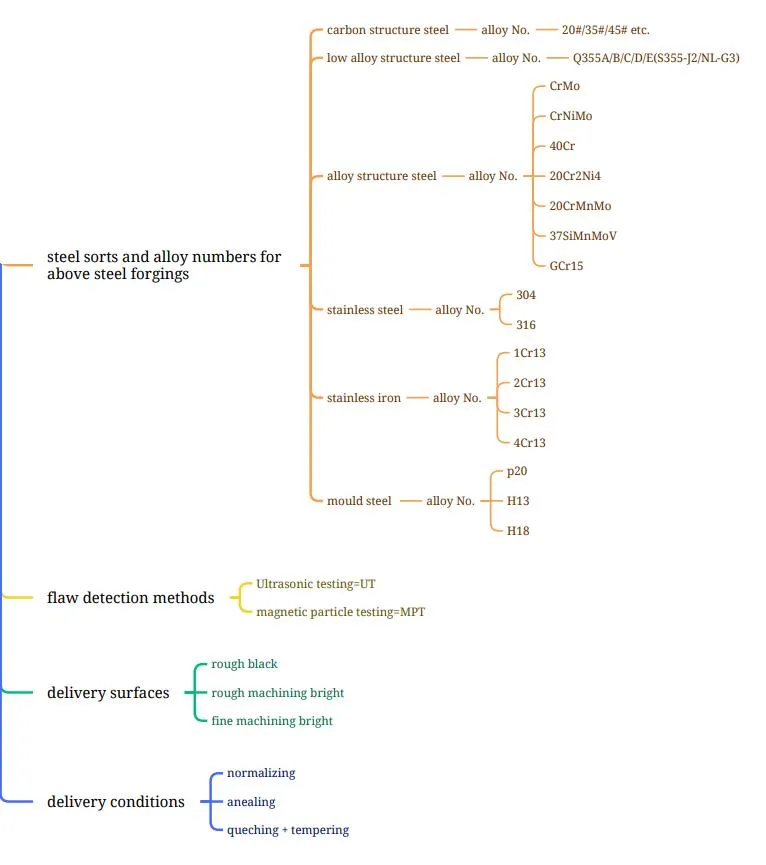
We handle a wide range of materials including structural carbon steel (like 45#), alloy steel (42CrMo), stainless steel, spring steel, and bearing steel to meet diverse industrial requirements.
What surface treatments do you provide for forgings?
Common delivery surfaces include Black, Rough Machining Bright, and Fine Machining Bright. Surface quenching can also be applied after tempering to improve hardness.
What standards do your forged products follow?
Our products are manufactured according to international standards including GB, ASTM, AISI, DIN, JIS, and BS, ensuring compatibility for global mechanical equipment.
 Campfire Steel