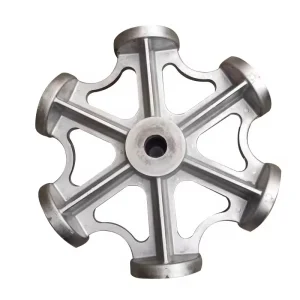
In the modern industrial landscape, steel casting parts act as the foundational pillars for critical infrastructure, heavy machinery, automotive propulsion, and marine engineering. Global industrialization requires component designs that exhibit extreme structural integrity, high thermal resistance, and precise dimensional control. Steel casting, particularly processes utilizing the Silica Sol lost-wax investment technology, bridges the gap between intricate design requirements and extreme metallurgical stress limits.
Markets across North America, Europe, and Asia-Pacific are witnessing a surge in demand for specialized alloys. This trend is driven by the rapid growth of wind energy installations, deep-sea oil extraction, and ultra-high-pressure steam turbines. The selection of materials—ranging from ASTM structural carbon steels to complex duplex stainless steel alloys—dictates the operational safety and lifespan of these industrial assets. In a landscape focused on minimizing maintenance intervals and avoiding catastrophic failures, the sourcing of cast parts has evolved from simple transaction-based procurement to strategic, long-term technical partnerships.
China remains the world's leading manufacturer of high-quality cast steel parts. The country's prominence stems not only from its scale, but from a highly integrated, technology-driven industrial ecosystem. Regions like Hebei have transitioned from traditional manufacturing hubs into advanced foundry centers. These operations leverage automation, automated pouring lines, and real-time spectrometer composition testing to deliver consistency across large production volumes.
Chinese factories achieve structural cost efficiency through vertical integration. In these clusters, raw material sourcing, mold fabrication, heat-treatment facilities, and precision multi-axis CNC machining centers are located in close proximity. This localized concentration minimizes logistics friction, shortens lead times, and allows engineering teams to scale prototype castings to high-volume commercial production faster than Western competitors. Additionally, the implementation of eco-friendly sand reclamation systems and high-efficiency induction furnaces matches the global manufacturing shift toward sustainable practices.
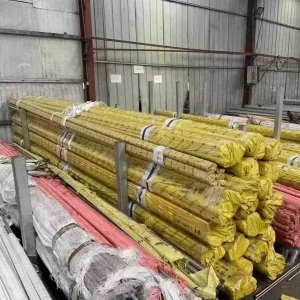
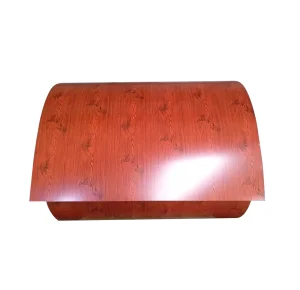
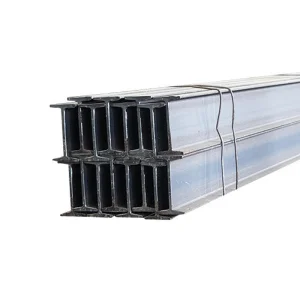
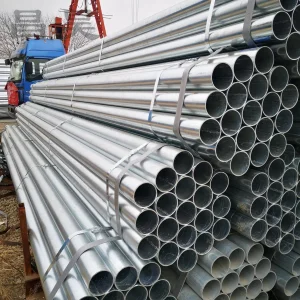
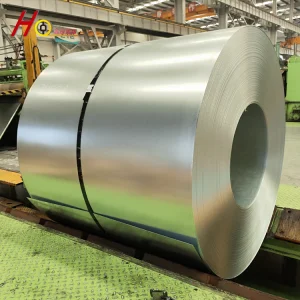
Our major products including Carbon Steel Plate, Carbon Steel Coil, Carbon Steel Pipe, Carbon Steel Bar, Stainless steel plate, Stainless steel coil, Stainless steel pipe, color coated coil, color tile, galvanized sheet, galvanized coil, Galvanized roofing, galvanized zinc, etc. Relying on various products, large inventory, high quality, low price, short delivery time and good after-sales service, and many other competitive advantages.
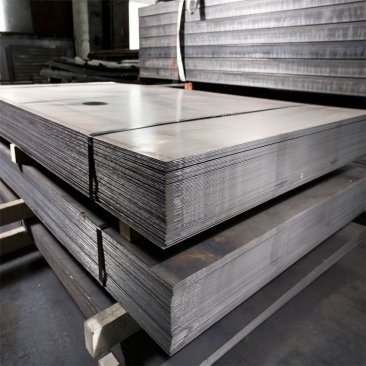
A36 is a carbon structural steel plate whose chemical composition and mechanical properties comply with American ASTM standards. This kind of steel plate has good mechanical properties, welding performance and corrosion resistance, and is widely used in...
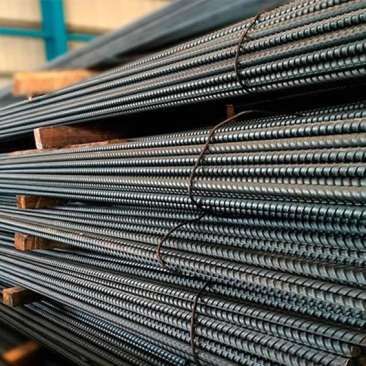
Rebar refers to steel used for reinforced concrete and prestressed reinforced concrete. Its cross section is round, sometimes square with rounded corners. Including plain round reinforcement, ribbed reinforcement and twisted reinforcement.
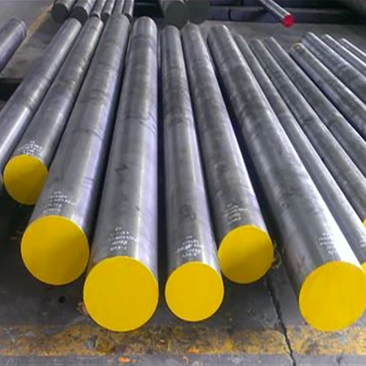
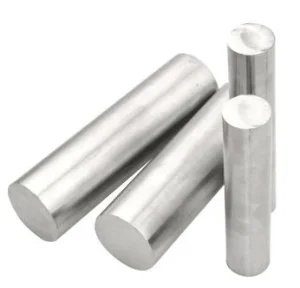
AISI 4140 steel bar is made of a low alloy steel containing chromium, molybdenum and manganese. It has a high carbon content and a good balance of strength, toughness, wear resistance, impact resistance and heat treatment capabilities.
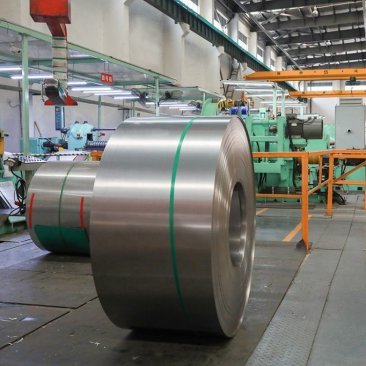
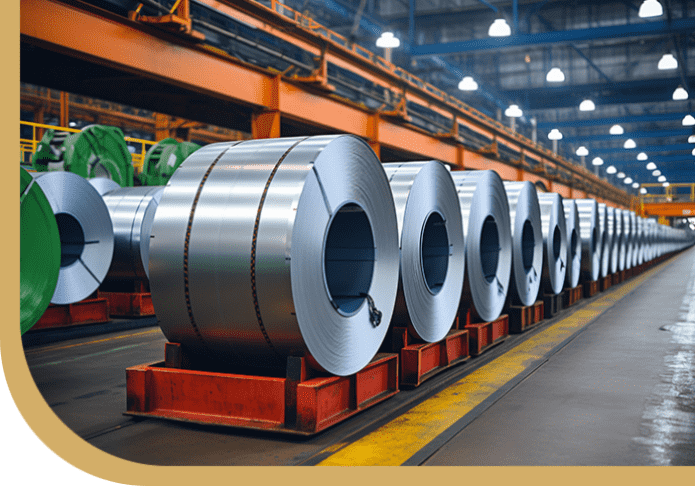
304L stainless steel coil is mainly used in automobile accessories, hardware tools, tableware, cabinets, medical appliances, office equipment, weaving, handicrafts, petroleum, electronics, chemicals, textile, food, machinery, construction, nuclear power, aerospace, military and other industries.
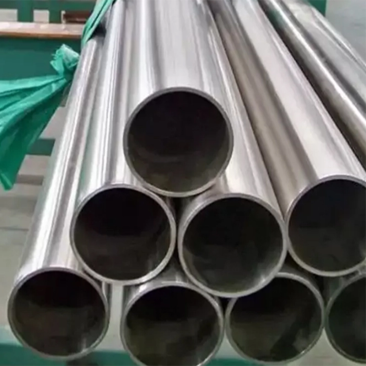
316L stainless steel has a lower proportion of carbon in its composition, the amount of carbon cannot go over 0.03%. This lowers the chance of carbon precipitation, making it an ideal option for welding to ensure maximum corrosion resistance.
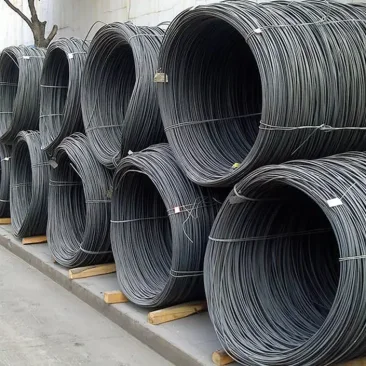
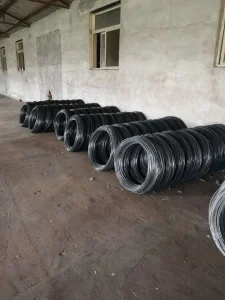
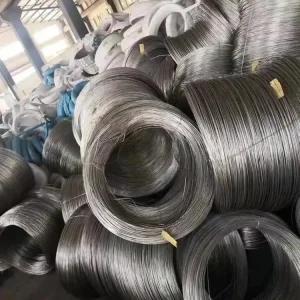
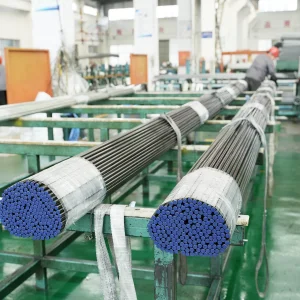
Wire rod is a rolled steel product (alloy or non-alloy), manufactured from a semi-finished steel with a rectangular, rounded, hexagonal or squared shape. Especially, fine cross-sections are reached by sequent cold drawing. Wire rod is wrapped around into the coils and also carried in this form.
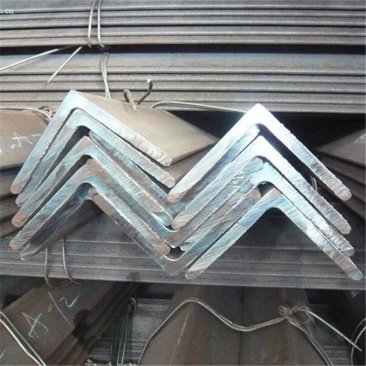
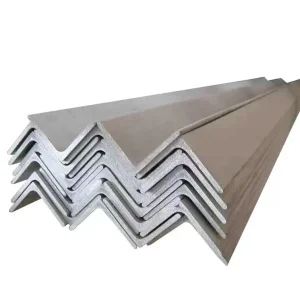
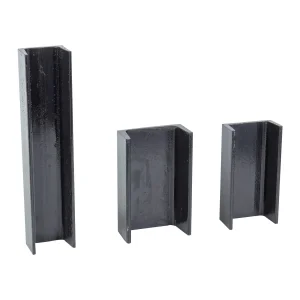
The angle steel is mainly used to make frame structures, such as high-voltage transmission towers, frames on both sides of the main beam of steel structure bridges, columns and booms of tower cranes on construction sites, columns and beams of workshops, etc.
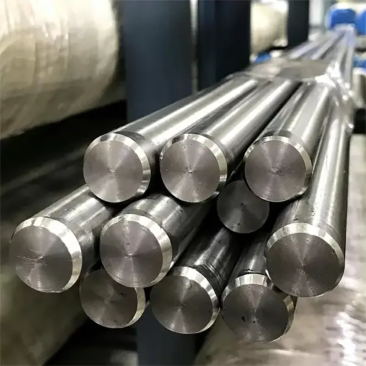
309 stainless steel is a stainless steel material featured by excellent corrosion resistance and high temperature performance. 309 stainless steel bars are perfect choice for high heat atmospheres.
The practical applications of high-performance steel castings are as diverse as the industries they serve. In localized contexts, their engineering demands differ significantly:
Three major shifts are defining the future of the steel casting industry. First is the adoption of digital casting engineering, which uses computer-aided casting simulation software (like MAGMA or ProCAST) to model solidification, identify potential shrinkage cavities, and optimize gating designs before manufacturing begins.
Second is the growing emphasis on carbon-efficient and clean foundry practices. In response to global decarbonization mandates, top-tier exporters are replacing coal-fired systems with clean-burning electric induction furnaces and installing regenerative sand recycling systems. Finally, there is an increasing demand for hybrid manufacturing processes, which combine cast base components with precision CNC post-machining and robotic overlay welding to meet demanding dimensional tolerances.
For the steel industry, customer care is not just quality control, on-time delivery and offering good price, but also adding value through the services we provide. We work with customers to continuously improve steel quality to help customers obtain more efficient and effective manufacturing processes. HEIBEI CAMPFIRE Steel Co., Ltd. is also the only company that promises to take back products if they are not up to standard. We have been engaged in export trade for more than 20 years and have rich experience in this field.
 Campfire Steel